Scheduling temperature controlled pharmaceutical shipments smoothly on premium flights running from europe to middle east air hubs
Freight Area
 5-Jun-2026
Europe to Middle East air corridors form a vital logistical backbone for temperature-controlled pharmaceutical air freight, connecting European pharmaceutical manufacturing clusters with expanding healthcare distribution networks across Middle Eastern aviation hubs. These premium air cargo routes support consistent transit stability, regulatory compliance, and controlled thermal conditions for sensitive medical consignments, covering vaccines, biologic formulations, and specialty prescription pharmaceuticals. Recent adjustments in regional aviation capacity and global healthcare supply chain layouts have raised operational standards for scheduled cold chain air freight movements.
Why do pharmaceutical air shipments from Europe to the Middle East demand specialized scheduling?
Specialized flight scheduling protocols for Europe to Middle East air pharmaceutical consignments mitigate region-specific environmental, regulatory, and operational risks that standard air cargo scheduling frameworks cannot address. Middle Eastern air hubs feature extreme diurnal temperature variations, rigorous pharmaceutical import compliance rules, and frequent aviation schedule revisions that disrupt generic cargo planning models. According to IATA 2024 monthly traffic data, Europe-Middle East air cargo demand recorded a year-on-year growth rate of 30.2%, reflecting rising market reliance on regulated cross-border pharmaceutical logistics.
What thermal stability requirements differentiate pharmaceutical air freight from general cargo?
Temperature-sensitive pharmaceutical consignments require continuous thermal regulation throughout the entire air freight lifecycle, with most biologics maintaining a stable temperature range of 2°C to 8°C and stable prescription drugs adhering to controlled ambient temperature standards. Minor thermal deviations during ramp handling, transit layovers, or schedule delays can degrade product potency, trigger batch non-compliance, and result in substantial financial losses for suppliers and forwarders. Major Middle Eastern airport terminals commonly witness summer ambient temperatures exceeding 45°C, creating high-risk exposure windows during cargo loading and discharge operations.
What regulatory risks arise from generalized scheduling practices?
A common mistake is adopting universal flight scheduling templates for pharmaceutical cold chain cargo without adapting to regional climatic features and hub-specific handling specifications. Many logistics practitioners prioritize transit duration optimization alone while neglecting thermal buffer time allocation, which leads to avoidable temperature excursions during peak operational periods. Forwarders should note that Middle Eastern healthcare regulatory bodies implement stringent compliance mechanisms for thermal deviation records, with non-compliant consignments subject to mandatory border quarantine or inbound rejection.
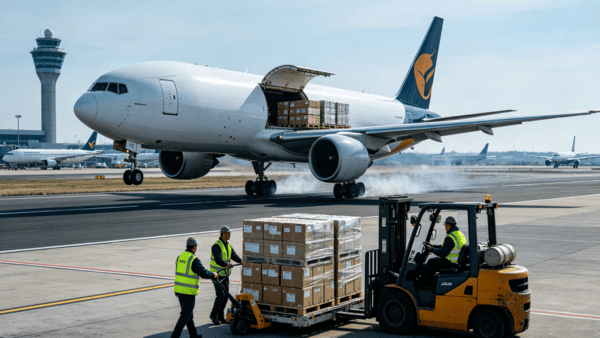
What core challenges affect temperature controlled cargo scheduling on these routes?
A combination of operational, environmental, and regulatory barriers creates scheduling uncertainties for temperature-controlled pharmaceutical shipments on Europe to Middle East air routes, negatively impacting cargo thermal integrity and delivery predictability. These prevalent challenges cover aviation capacity volatility, inconsistent ground handling standards, and variable customs clearance efficiency across regional hubs.
Regional aviation schedule volatility: Periodic regional geopolitical and operational adjustments lead to temporary traffic restrictions at key Middle Eastern air hubs including Dubai International Airport, Hamad International Airport, and Abu Dhabi International Airport. According to 2025 global air freight operational reports, roughly 20% of conventional Europe-Gulf air cargo routes underwent temporary schedule revisions or route rerouting in the 2024–2025 operational cycle, interfering with fixed pharmaceutical shipment planning timelines.
Extreme ambient thermal exposure risks: Persistent high-temperature weather across most Middle Eastern territories narrows safe handling timeframes for thermally sensitive pharmaceutical products. Extended ground dwell time caused by flight delays or scheduled layovers elevates thermal fluctuation risks, even for consignments fitted with insulated packaging materials and active cooling devices.
Disparate cold chain infrastructure levels: While core flagship aviation hubs in the Middle East deploy mature temperature-controlled storage and handling facilities, secondary regional airports maintain inconsistent cold chain hardware and operational workflows. Such infrastructural disparities introduce scheduling uncertainties when route rerouting becomes necessary due to premium flight overbooking or operational suspensions.
Variable cross-border regulatory enforcement: Individual Middle Eastern jurisdictions apply differentiated documentation requirements and inspection procedures for imported pharmaceutical commodities. Fluctuating customs clearance processing cycles frequently disrupt pre-confirmed flight schedules and extend ground retention duration for regulated medical cargo.

How can forwarders optimize flight scheduling for stable pharmaceutical cold chain transport?
Scientific scheduling optimization for Europe to Middle East air pharmaceutical freight relies on integrated route planning, real-time risk monitoring, and standardized cold chain operational workflows. This systematic approach balances flight capacity availability, thermal safety benchmarks, and cross-border regulatory compliance to reduce common logistical disruptions.
The recommended approach is to implement a tiered route scheduling mechanism that prioritizes dedicated premium cargo flights over combined passenger-cargo aircraft for high-value temperature-controlled pharmaceutical consignments. Dedicated cargo flights feature partitioned cold chain storage zones, fixed professional handling teams, and stable transit cycles, which help reduce thermal fluctuation probabilities in cross-border transportation.
Adopt seasonally adaptive flight window selection: Forwarders should note that scheduling departures and arrivals during early morning or late evening time slots helps bypass midday extreme heat in Middle Eastern regions. This operational practice effectively lowers cargo thermal exposure risks during critical ramp handling procedures.
Establish multi-level backup route networks: Pre-verify and reserve alternative premium flight routes via transitional hubs including Istanbul, Muscat, and Riyadh to offset operational disruptions at primary destinations. Advance coordination with local cold chain ground handlers ensures seamless schedule transition during emergency rerouting scenarios.
Deploy real-time cargo condition monitoring systems: Equip all regulated pharmaceutical shipments with cloud-enabled thermal tracking devices interconnected with airline and ground handler operational platforms. Dynamic data feedback supports proactive schedule adjustments to prevent excessive ground dwell time under high-temperature environments.
Complete pre-flight compliance documentation validation: Finish all customs declaration, pharmaceutical qualification certification, and cold chain compliance verification procedures 48 hours prior to confirmed departure. This standardized pre-flight workflow minimizes clearance delays that lead to prolonged ambient storage of sensitive cargo.
Cooperate with IATA-certified cold chain carriers: Partner with air carriers holding valid IATA CEIV Pharma certification, a globally recognized credential for professional pharmaceutical air freight operations. Certified carriers maintain unified cold chain scheduling protocols and specialized staff training systems for temperature-sensitive cargo handling.
What operational benefits come with refined scheduling strategies?
How do optimized schedules improve pharmaceutical cargo transportation safety?
Refined scheduling workflows for Europe to Middle East air pharmaceutical shipments deliver tangible improvements in cargo thermal integrity and delivery stability for global freight forwarding enterprises. According to Freightos 2025 mid-year logistics industry statistics, standardized cold chain scheduling practices reduce pharmaceutical cargo non-compliance rejection rates by 27% and lower comprehensive freight claim expenditures for cross-border medical logistics.
How do standardized operations enhance market cooperation value?
Thermal-compliant scheduled transportation stabilizes pharmaceutical batch quality consistency, enabling inbound cargo to meet mainstream global healthcare commodity quality standards upon arrival. Stable delivery performance helps freight forwarding entities consolidate cooperative relationships with European pharmaceutical manufacturers and Middle Eastern medical distribution enterprises, building differentiated operational competitiveness in the professional cold chain logistics segment.
What resource utilization improvements can be achieved?
Optimized scheduling mechanisms reduce redundant operational costs and carbon emissions generated by repeated route adjustments and delayed shipments. Streamlined operational procedures improve overall resource utilization efficiency, allowing forwarders to accommodate growing cargo volumes on Europe to Middle East air routes without compromising standardized service quality and compliance levels.
As global healthcare cross-border trade maintains steady expansion, precise risk-mitigated scheduling will remain a core operational foundation for reliable temperature-controlled logistics across Europe to Middle East air freight corridors. Logistics practitioners who adopt customized cold chain scheduling frameworks can enhance operational stability of premium air cargo routes while protecting the integrity of critical pharmaceutical consignments in cross-border transportation.

Last
Streamlining sea rail intermodal transit time paths when routing commercial freight from china to mexico across cross border loops
China to Mexico Cross Border freight operations rely heavily on optimized sea-rail intermodal workflows to mitigate transit delays

Next
Vetting ocean carrier service strings for moving electric vehicle components from korea to europe via ocean freight contracts
Korea to Europe ocean freight constitutes a vital logistics channel for cross-border transportation of high-value electric vehicle
