Securing equipment allocations for specialized open top containers moving industrial machinery from the uk to usa ocean shipping lanes
Freight Area
 5-Jun-2026
UK to USA Ocean Shipping constitutes a critical transatlantic logistics corridor for oversized and heavy-duty industrial machinery cargoes. This trade segment relies heavily on dedicated open top container units to accommodate non-standard dimensional and weight specifications that standard dry van containers cannot support. In recent years, expanding cross-border industrial equipment trade activities between the United Kingdom and the United States have tightened specialized container capacity on westbound transatlantic lanes. Stable open top container allocation and reservation management has become one of the core operational priorities for global forwarders handling project-based industrial cargo shipments.
Why do open top container shortages occur on UK to USA transatlantic lanes?
Open top container shortages on UK-US westbound shipping routes arise from imbalanced bilateral cargo flows and slow equipment repositioning cycles across transatlantic maritime networks. Such supply-demand mismatches create recurring booking challenges for forwarders arranging industrial machinery transport.
According to UNCTAD 2024 Review of Maritime Transport data, transatlantic westbound trade from the UK to the US generates notably higher demand for specialized container equipment compared with eastbound return routes. Most empty open top containers remain at US East Coast terminals after cargo discharge, as US industrial export volumes requiring open top containers register far lower figures than UK outbound machinery shipments. This structural equipment imbalance triggers periodic container shortages during active industrial project shipping windows throughout the year.
A common mistake is that many forwarding agencies apply standard dry container booking workflows to open top container reservations. Generic spot-booking strategies fail to account for the limited fleet scale and prolonged repositioning lead times of specialized open top units. Last-minute reservation attempts often result in equipment unavailability, which may force machinery shippers to postpone project delivery schedules or adopt higher-cost breakbulk shipping alternatives.
Forwarders should note that open top container inventory fluctuations follow predictable industrial project release cycles within the UK manufacturing and construction sectors. Seasonal demand patterns allow logistics teams to implement structured long-term reservation planning to mitigate capacity gaps.
What operational risks come with unconfirmed open top container allocations?
Unconfirmed open top container reservations for UK-US machinery shipments introduce a range of supply chain hazards affecting cargo integrity, project scheduling, and contractual compliance. These risks differ substantially from typical disruptions impacting standardized container freight.
Terminal dwell time and incremental cost risks
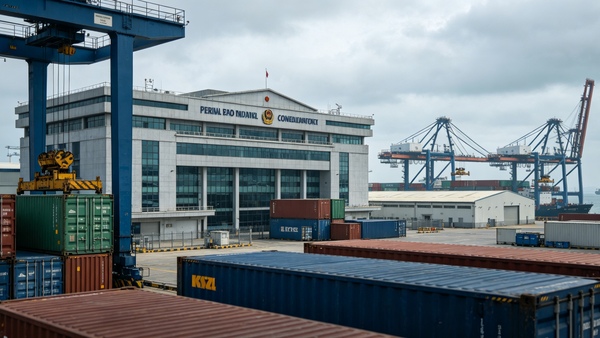
Industrial machinery commodities such as construction equipment, manufacturing turbines, and agricultural processing machinery feature irregular profiles and excessive heights that rule out dry van container usage. Without confirmed open top container allocations prior to cargo readiness, shippers face unavoidable standby delays and prolonged terminal storage charges at UK export hubs. Per Drewry 2024 specialized container market analysis, unconfirmed equipment bookings correlate with average pre-shipment terminal dwell times of four to seven business days for UK-origin industrial machinery cargoes bound for US ports.
Cargo quality and project delay risks
Extended outdoor terminal storage exposes high-value metallic machinery components to ambient moisture, particulate dust, and variable weather conditions. Unprotected static storage may lead to surface oxidation, minor structural abrasions, or component misalignment, which can trigger post-arrival inspection discrepancies and additional remedial maintenance costs for US consignees. For time-sensitive factory renovation and infrastructure construction projects, such logistical delays may disrupt overall project progression and weaken long-term collaborative partnerships between shippers and clients.
What key factors affect open top container allocation success?
A combination of market dynamics and operational variables influences the success rate of open top container reservations for machinery cargo moving via UK to USA Ocean Shipping. Forwarders need systematic evaluation of these factors to enhance booking stability.
Seasonal industrial shipping demand fluctuations: Concentrated industrial machinery export activities from the UK occur during the second and fourth calendar quarters. Freightos Baltic Index 2024 transatlantic specialized equipment statistics indicate that open top container booking volumes rise by 15–20 percent in these quarters relative to off-peak periods, which tightens accessible equipment inventory across transatlantic lanes.
Carrier specialized equipment allocation policies: Major transatlantic carriers maintain constrained fleets of open top containers and offer allocation priority to clients with long-term contractual agreements. Most carriers impose moderate restrictions on spot market specialized container bookings during high-demand seasons to preserve resources for contracted partners, lowering reservation success rates for spot-only forwarders.
UK terminal empty container repositioning cycles: Key UK export terminals including Felixstowe and Southampton rely on scheduled repositioning voyages to replenish empty open top container stock. Vessel delays for empty equipment repositioning directly reduce on-site container availability, even for forwarders who submit reservation requests well in advance.
Cargo specification compliance and documentation quality: Oversized or overweight machinery requires targeted container modification assessments and pre-shipment compliance reviews. Incomplete dimension data, weight declarations, or loading procedure documents often result in carrier reservation hold-ups and unsuccessful equipment allocation outcomes.

How can forwarders secure stable open top container allocations for machinery shipments?
Structured booking and field operational tactics enable forwarders to secure consistent open top container resources for transatlantic industrial machinery freight. These practices reduce common allocation failures and stabilize project cargo shipping schedules.
Establish long-term contractual equipment arrangements: The recommended approach is to negotiate quarterly or semi-annual specialized container contracts with established transatlantic carriers. Contract-based equipment allocations deliver predictable slot availability throughout seasonal market shifts, which suits business models with recurring industrial machinery shipment volumes.
Submit standardized cargo specification packages early: Forwarders should compile verified machinery dimensions, gross weight readings, and tailored loading scheme documents no less than 14 days before cargo arrival at terminals. Comprehensive and accurate documentation streamlines carrier compliance reviews and reduces rejection risks caused by information gaps.
Coordinate terminal pre-staging for reserved containers: Maintain routine communication with UK terminal operators to arrange pre-staging of confirmed open top containers ahead of cargo readiness. Pre-positioned equipment eliminates last-minute handover gaps and supports continuous loading operations upon cargo delivery.
Build multi-carrier backup resource networks: Develop cooperative partnerships with multiple carriers that provide open top container services on UK-US lanes. Diversified supplier resources help supplement equipment shortages when primary carrier allocations fall short of shipment requirements.
Schedule reservations ahead of peak shipping windows: Forwarders are advised to complete open top container reservations a minimum of 30 days in advance during high-demand quarters. Early booking practices reduce exposure to market competition and secure adequate equipment for time-sensitive project cargo movements.
How does proactive equipment management elevate project cargo service standards?
Systematic open top container allocation management helps forwarders reduce shipment uncertainties and improve supply chain visibility for B2B industrial clients. This operational capability serves as a valuable differentiator for agencies focusing on transatlantic project cargo logistics.
Industrial machinery clients typically prioritize schedule reliability and cargo safety over marginal freight cost variations. Consistent equipment allocation supports punctual loading and delivery, allowing client teams to adhere to planned construction cycles and equipment installation timetables. Forwarders with solid expertise in specialized container management can deliver standardized project cargo solutions that align with professional industrial logistics requirements.
For global forwarders servicing transatlantic project cargo markets, familiarity with open top container allocation mechanisms and risk mitigation methods supports steady business operation. Seasonal demand variations, carrier fleet management rules, and terminal repositioning rhythms jointly shape specialized equipment availability on UK-US ocean routes. Forwarders can mitigate container shortages through contractual resource locking, standardized documentation workflows, and multi-source backup strategies. Deliberate equipment planning and risk-oriented operational control support stable, cost-effective UK to USA Ocean Shipping solutions for cross-border transportation of high-value industrial machinery.
Last
Managing blank sailing space disruptions for high volume industrial electronics moving along korea to europe through ocean freight
Korea to Europe Ocean Freight serves as a critical logistics channel for large-volume industrial electronics exports, with frequen
Next
Tracking transatlantic container transit time variations for luxury beverage brands shipping from the uk to usa via ocean shipping
UK to USA Ocean Shipping serves as the foundational transatlantic logistics channel for high-value luxury beverage exports, includ
