How independent nvocc networks negotiate bulk space commitments on vessels serving the india sub continent to usa trade lane
Freight Area
 5-Jun-2026
The india sub continent to usa trade lane supports substantial volumes of manufactured and consumer goods exported from South Asia to North America, serving as a core trans-Pacific shipping corridor for regional cross-border trade. Independent non-vessel operating common carrier (NVOCC) networks adopt collaborative negotiation strategies to secure fixed bulk vessel space allocations, easing capacity volatility that affects mid-tier and small-scale freight forwarding enterprises across this active trade route.
What defines bulk space commitment agreements for subcontinent-US vessel services?
Bulk space commitment agreements are formal contractual arrangements between grouped NVOCC entities and ocean carriers to reserve dedicated container capacity on recurring scheduled sailings for fixed trade lane movements. These long-term contracts deliver stable volume planning frameworks that differ from flexible, short-term spot market bookings.
According to Drewry 2025 container shipping contract analysis, structured bulk space commitment contracts cover approximately 58% of total deployed container capacity across seasonal sailing cycles on the India subcontinent to USA trade lane. Ocean carriers prefer such contractual frameworks because they lower voyage load uncertainty and stabilize baseline revenue for westbound trans-Pacific operations.
Large integrated shippers maintain sufficient shipment volumes to negotiate individual carrier contracts, while standalone independent NVOCCs lack such volume leverage. Network consolidation serves as a practical operational method to meet the minimum monthly container volume thresholds required for carrier bulk space program participation.
Why do standalone NVOCCs face capacity procurement challenges on this trade lane?
Individual independent NVOCC operators encounter structural limitations when securing vessel capacity on the India subcontinent to USA trade lane due to inconsistent shipment volumes and limited cargo predictability. These operational constraints restrict access to formal bulk contract programs launched by major global shipping lines.
A common mistake is that many small-scale NVOCC operators prioritize individual seasonal booking attempts rather than joining collaborative industry networks. Independent spot-based procurement fails to meet carrier volume requirements, forcing reliance on volatile spot capacity with unstable pricing and elevated vessel rollover probabilities.
According to UNCTAD 2024 maritime industry reports, spot market capacity on India outbound trans-Pacific routes varies by 35% to 42% between peak and off-peak shipping cycles. Operators without contractual safeguards face significant exposure to capacity shortages during US retail inventory restocking periods.
Forwarders should note that ocean carriers allocate available capacity preferentially to contracted bulk volume clients during port congestion and seasonal capacity tightening. Standalone NVOCCs without reserved space agreements tend to experience higher rates of booking rejection and cargo rollover during lane saturation scenarios.
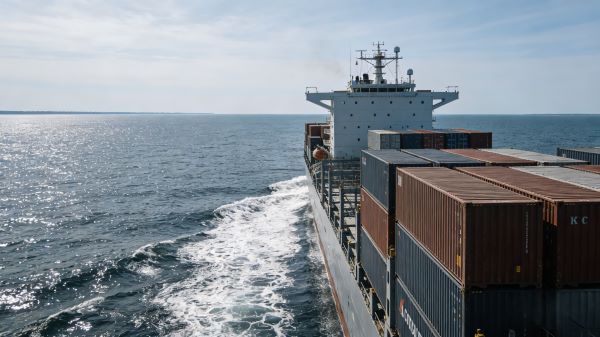
How do unified NVOCC networks enhance bulk space negotiation leverage?
Collaborative NVOCC networks integrate fragmented cargo volumes from multiple independent operators to form consolidated shipment profiles that satisfy carrier bulk contract qualification criteria. This group-based model converts irregular small-batch cargo flows into predictable volume streams for trans-Pacific vessel operators.
Aggregate regional monthly shipment volumes: Network platforms consolidate sporadic cargo volumes from member NVOCCs operating across major Indian export ports including Mundra, Nhava Sheva, and Chennai. Combined monthly throughput meets standard carrier volume thresholds, unlocking contractual pricing structures and reserved capacity benefits unavailable for individual operators.
Standardize cargo submission timelines: Member networks align shipment cutoff schedules to generate consistent weekly and monthly cargo inflow patterns. Predictable shipment rhythms support accurate carrier load planning and systematic capacity distribution, strengthening cooperative credibility during contract renewal negotiations.
Provide collective volume performance guarantees: Unified network bodies issue consolidated performance assurances to offset risks associated with individual member volume shortfalls. Group-backed commitments improve carrier confidence and support reasonable quota allocation for ongoing trade lane operations.
Centralize commercial negotiation workflows: Dedicated network management teams conduct unified communication and contract negotiations with carrier account teams, replacing scattered individual inquiries. Centralized workflows streamline term discussions, dispute settlement, and seasonal capacity adjustment applications.
What contractual clauses optimize network operational benefits?
Effective bulk space commitment negotiations require customized contractual terms tailored to the seasonal volatility and operational characteristics of the India subcontinent to USA trade lane. Well-balanced clauses protect network participants from common lane risks while preserving sustainable revenue frameworks for carrier partners.
Adopt tiered seasonal volume clauses: The recommended approach is to negotiate tiered volume commitment structures that accommodate natural shipment fluctuations across peak and off-peak cycles. Moderate volume adjustments prevent contractual penalties during textile and manufacturing export surges.
Secure priority loading provisions: Formalize priority loading entitlements for contracted bulk cargo during vessel overbooking events. Such clauses reduce cargo rollover risks when spot market demand creates temporary capacity pressure on scheduled sailings.
Lock in stable contractual rate frameworks: Establish fixed contractual rate mechanisms that insulate bulk cargo pricing from frequent Freightos Baltic Index spot fluctuations. Per Freightos Baltic Index 2024–2025 statistical data, contracted bulk terms reduce seasonal cost volatility by close to 38% compared to pure spot market procurement.
Customize port-specific capacity allocations: Design differentiated reserved space quotas for major Indian outbound ports to match regional cargo distribution patterns. Targeted port-level allocation minimizes idle reserved capacity and improves overall lane capacity utilization efficiency.
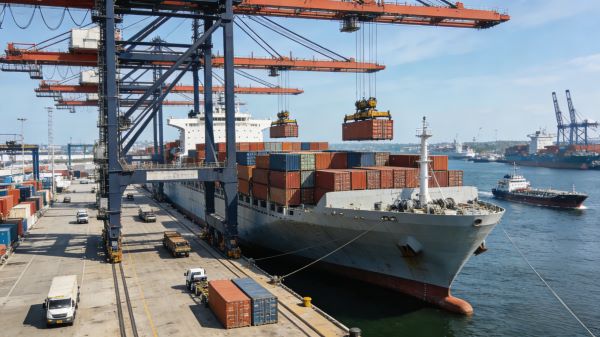
What key operational risks require systematic mitigation?
Group-based bulk space contracting introduces unique operational and contractual risks that demand standardized internal management protocols. Unaddressed operational gaps may trigger volume shortfalls, contractual penalties, and inefficient capacity usage on subcontinent-US shipping routes.
Unmonitored member volume fulfillment gaps: A common mistake is the absence of structured internal volume tracking mechanisms for network participants. Unregulated individual shipment deficits may cause group-wide contractual non-compliance, leading to financial penalties and reduced quota entitlements in subsequent contract cycles.
Imbalanced internal space distribution: Informal internal booking practices often result in uneven capacity allocation among network members. Certain operators encounter space shortages while others retain unused reserved slots, lowering the collective utilization rate of contracted vessel capacity.
Irregular cargo cutoff compliance: Inconsistent adherence to carrier cargo cutoff times disrupts standardized vessel load planning. Frequent delayed cargo submissions may prompt carriers to revise allocated space quotas for network partners in future sailing schedules.
How do networks sustain long-term carrier partnership value?
Long-term stability in bulk space procurement depends on continuous operational optimization and data-driven partnership refinement for the India subcontinent to USA trade lane. Proactive internal adjustments support steady carrier collaboration and reliable annual capacity access.
Forwarders should note that sustained network performance, including stable volume fulfillment rates and timely cargo submission, accumulates positive cooperative records with major carriers. Consistent operational reliability helps networks obtain favorable pre-peak capacity reservation terms and stable contract renewal conditions.
Regular performance benchmarking against industry lane standards supports targeted operational improvement. According to ITC Trade Map 2025 regional shipping statistics, well-managed NVOCC networks maintain volume fulfillment rates around 94%, supporting stable capacity access during seasonal congestion periods.
Through unified group negotiation mechanisms, standardized operational discipline, and data-supported contract optimization, independent NVOCC networks effectively improve capacity accessibility and pricing stability across the india sub continent to usa trade lane, delivering consistent and cost-efficient shipping solutions for global forwarding partners.
Last
Finding stable commodity types to fill food grade reefers returning on the traditional europe export path to asia backhaul
Europe to Asia Backhaul reefer shipping lanes endure continuous underutilization of food-grade refrigerated container capacity, cr
Next
How fuel surcharge variations impact the base ocean shipping cost for moving electronics from china to middle east lanes
China to Middle East cost for electronic ocean freight is significantly influenced by frequent fuel surcharge fluctuations, which
