Hidden destination port demurrage structures that expand the total import cost when routing cargo from china to middle east
Freight Area
 5-Jun-2026
Precise assessment of China to Middle East cost requires freight forwarders to account for concealed destination port demurrage and detention frameworks, which push actual import expenditure higher than contracted base ocean freight rates. Most conventional logistics pricing models only calculate basic shipping charges while neglecting tiered terminal penalty fees at Middle Eastern ports, resulting in unplanned budget overruns for importers and logistics service providers. In recent years, tightened local port supervision and adjustable free-time policies have rendered these implicit charges a critical variable affecting cross-border shipment profit margins.
What are demurrage and detention structures at Middle Eastern destination ports?
Demurrage and detention structures are tiered penalty charging systems enforced by port terminals and liner carriers for container occupancy beyond approved free-time thresholds. These two charge categories apply to distinct operational stages and constitute major hidden expenditure items for China-Middle East import logistics.
Demurrage fees refer to charges for containers remaining within terminal premises after the permitted free storage period, compensating port authorities for occupied terminal infrastructure resources. Detention fees apply to containers picked up from ports but not returned empty to designated carrier yards within the agreed timeframe. According to UNCTAD 2025 maritime logistics reports, Middle Eastern port penalty systems adopt progressive tiered pricing mechanisms, with daily charges rising gradually as container occupation duration increases.
Major regional hub ports including Jebel Ali, Jeddah Islamic Port, and Khalifa Port implement differentiated free-time policies for imported containerized cargo. Standard free-time allowances for general freight range from three to seven calendar days across these ports. Public holidays and weekends are included in the calculation cycle, which reduces the effective operational window available for importers to complete clearance and container return procedures.
Forwarders should note that most carrier formal quotations do not elaborate on detailed tiered demurrage and detention rules, which may lead to inadequate cost reminders for clients and commercial disputes over post-arrival penalty fees.
Why do Middle Eastern port penalty structures increase China import logistics expenditure?
Region-specific port administration rules and periodic operational variations generate layered hidden penalty costs that raise overall logistics spending for Chinese export cargo entering Middle Eastern markets. These regional regulatory features differ from standards applied in Southeast Asian and European ports, creating calculation discrepancies for less experienced logistics practitioners.
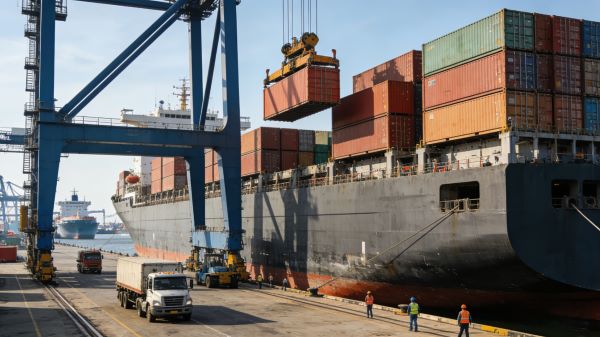
Progressive tiered pricing mechanisms: Middle Eastern ports apply incremental daily penalty rates for prolonged container occupancy. According to 2025 Drewry port charge benchmark statistics, daily demurrage fees for 20GP containers rise by 20% to 35% for every additional three days of delay, creating compounded cost accumulation for overdue shipments.
Seasonal policy adjustment influences: Regional religious festivals and public holiday cycles trigger temporary changes in port operational rules. 2026 maritime industry monitoring data shows adjusted terminal working hours during special seasonal periods lower customs clearance efficiency, lifting the average occurrence of demurrage charges for China-origin cargo by around 15%.
Calendar-based free-time calculation rules: Local port authorities in the Middle East primarily calculate free-time quotas based on continuous calendar days rather than working days. Non-operational days consume a notable portion of approved free-time allowances, compressing the actual timeframe for cargo clearance and container return.
Dual charging mechanisms by terminals and carriers: Several Middle Eastern hub ports implement overlapping charging standards from both terminal operators and liner carriers for overdue containers. Superimposed penalty fees further elevate comprehensive import logistics costs for cross-border consignments.
A common mistake is that many forwarders only secure basic free-time entitlements in contractual agreements without negotiating flexible buffer allowances, leaving shipments vulnerable to cost increments caused by customs delays and terminal congestion at regional ports.
How do demurrage-related charges vary across key Middle Eastern import ports?
Major Middle Eastern destination ports maintain independent penalty pricing schedules and free-time regulations, producing variable hidden cost risks for China export cargo dispatched to different regional terminals. Familiarity with port-specific policy differences supports targeted and precise cost control.
Charge characteristics of Jebel Ali Port
Jebel Ali Port in Dubai operates standardized tiered penalty rates with clear free-time boundaries for imported container cargo. Per official 2025 port tariff publications, general import freight qualifies for four days of free demurrage duration and three days of free detention duration. Daily penalty fees for overdue 20GP containers fluctuate between 75 USD and 180 USD, with incremental rises for extended delay periods.
Charge characteristics of Jeddah Islamic Port
Jeddah Islamic Port enforces stringent free-time management and relatively high penalty coefficients for import shipments. The port offers a consolidated three-day free-time window for imported containers, without separate time allocations for demurrage and detention scenarios. Consistent penalty rates across all delay cycles raise cost exposure for bulk shipments with flexible delivery schedules.
Charge characteristics of Khalifa Port
Khalifa Port adopts adjustable free-time policies correlated with shipment volume and long-term carrier partnership levels. Enterprises with annual framework cooperation contracts can access extended free-time quotas, while ad-hoc sporadic shipments follow standard penalty regulations. Such differentiated rules create uneven cost risks for forwarders with varying shipment scales.
Which operational scenarios tend to trigger concealed port penalty fees?
Multiple routine operational procedures in China-Middle East import logistics may lead to overdue container penalties, with most incidents stemming from manageable operational errors instead of force majeure events.
Incomplete customs declaration documentation: Missing commodity certification files, inconsistent invoice figures or mismatched bill of lading information suspend customs clearance workflows. Stagnated clearance procedures extend container dwell time at terminals and incur demurrage charges.
Improper inland haulage scheduling: Insufficient local trucking capacity at destination ports or unreasonable pickup appointment arrangements delay container retrieval. Prolonged terminal occupancy triggers tiered penalty fee accumulation.
Negligence of regional holiday arrangements: Forwarders who fail to reserve buffer time for Middle Eastern public and religious holidays face suspended terminal and customs operations. Continuous calendar-based free-time calculation rapidly consumes approved time quotas.
Deconsolidation delays for LCL shipments: Less-than-container load cargo requires centralized terminal deconsolidation processing. Sorting delays arising from large batch shipment volumes extend overall container occupancy cycles and generate shared penalty expenses.
What optimized methods help forwarders mitigate demurrage-related cost increments?
Targeted operational optimization and contractual adjustment strategies can effectively reduce hidden demurrage and detention cost risks for China-Middle East import shipments. Standardized pre-control workflows assist logistics providers in stabilizing overall logistics expenditure.
The recommended approach is to establish a full-cycle risk early-warning system covering document verification, shipment scheduling and seasonal holiday risk assessment to prevent overdue container penalties.
Enhance pre-arrival document verification: Conduct comprehensive cross-checks for declaration documents, bills of lading and commodity certificates seven days prior to vessel arrival. Eliminating data discrepancies supports efficient customs clearance within valid free-time periods.
Negotiate flexible free-time buffer allowances: Secure extended free-time entitlements through long-term carrier framework agreements. According to 2026 Freightos Baltic Index industry data, stable cooperative clients can obtain one to three additional buffer days for shipments arriving at Middle Eastern ports.
Adopt seasonal scheduling adaptation: Mark regional holiday calendars and terminal maintenance schedules in advance during shipment planning. Adjust vessel booking and container pickup timelines to avoid free-time consumption during non-operational periods.
Deploy responsive local destination support: Collaborate with dedicated local port agents to complete container pickup, customs clearance and empty container return procedures efficiently. Shortened container occupancy cycles reduce the accumulation of tiered penalty fees.
Conclusion
Concealed tiered demurrage and detention frameworks at Middle Eastern destination ports serve as influential invisible variables that lift comprehensive China to Middle East cost for cross-border trade shipments. Regional differentiated port policies, seasonal operational adjustments and improper manual scheduling practices contribute to incremental penalty expenditure. Global freight forwarders can mitigate hidden logistics cost risks, maintain accurate client quotation standards and strengthen market competitiveness by standardizing document review processes, negotiating preferential free-time terms and implementing refined arrival operational scheduling.
Last
How fuel surcharge variations impact the base ocean shipping cost for moving electronics from china to middle east lanes
China to Middle East cost for electronic ocean freight is significantly influenced by frequent fuel surcharge fluctuations, which
Next
Evaluating standard transit time trends for moving heavy machinery from china industrial ports to africa via sea freight
China to Africa Sea Freight constitutes a vital maritime logistics channel for cross-border heavy machinery trade, supporting ongo
