Navigating customs bond updates when coordinating container shipping from china to usa ocean freight strings
Freight Area
 3-Jun-2026
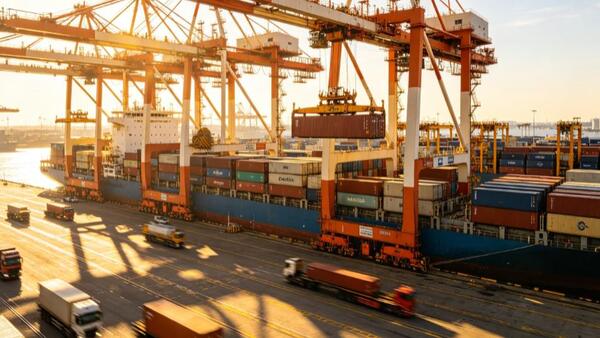
Sound compliance with updated U.S. customs bond regulations has become a core operational priority for freight forwarders managing container shipping from china to usa ocean freight strings, as iterative policy revisions reshape standard clearance workflows and cost structures for trans-Pacific maritime logistics. For global freight forwarding enterprises, customs bond compliance serves as a proactive risk management measure rather than a routine administrative task, exerting tangible impacts on cargo clearance efficiency, financial liability control, and long-term client cooperation stability. Recent regulatory revisions issued by U.S. Customs and Border Protection (CBP) have adjusted bond eligibility criteria, coverage thresholds, and standardized filing procedures, requiring logistics practitioners to optimize operational frameworks to mitigate shipment delays and regulatory penalties.
What are the latest U.S. customs bond updates for trans-Pacific ocean freight?
Recent CBP customs bond updates revise financial coverage standards and document validation protocols applicable to all commercial ocean import cargo entering U.S. territorial ports. These regulatory adjustments target high-volume trans-Pacific shipping lanes, strengthening administrative oversight on irregular low-value declarations and undefined bond coverage scenarios prevalent in cross-border logistics operations. According to 2025 CBP regulatory bulletins, the revised bond rules unify liability coverage calculation methods and enforce rigorous identity verification for importers of record (IORs) to improve the traceability and transparency of U.S. import transactions.
A common mistake is categorizing the revised bond policies as minor procedural adjustments instead of fundamental operational rule updates. Many frontline forwarding teams continue to adopt outdated bond filing templates, resulting in incomplete document submissions and administrative holds during routine port inspections. Unlike previous policy iterations that only regulated minimum bond value thresholds, the 2024–2025 updates focus on end-to-end data linkage among bond obligors, cargo owners, and freight forwarders, bridging regulatory loopholes that facilitated non-compliant import behaviors in past operations.
The updated regulatory framework also cancels generalized blanket bond exemptions for bulk container shipments, a long-standing preferential policy for high-volume china to USA ocean freight cargo. According to UNCTAD 2025 maritime industry statistics, approximately 68% of trans-Pacific container shipments that previously adopted simplified blanket bond clearance procedures now require customized coverage verification, bringing notable changes to daily operational workflows of global logistics service providers.
How do updated bond rules affect forwarders’ operational costs and clearance efficiency?
Customs bond regulatory adjustments bring measurable changes to operational cost accounting, port clearance cycles, and risk management levels for forwarders undertaking trans-Pacific container shipping businesses. Every revision to bond coverage specifications alters cargo release timelines, non-compliance penalty risks, and overall service competitiveness in the global maritime freight market.
Forwarders should note that inadequate compliance with the latest bond rules may lead to two major operational losses: incremental container detention charges and gradual loss of client trust. Detained containers generate accumulated port storage fees and demurrage costs, while frequent compliance discrepancies may result in enhanced CBP supervision, which restricts the efficiency of subsequent import clearance procedures. For small and medium-sized forwarding agencies, such unplanned expenditures may erode profit margins of trans-Pacific shipment orders.
Outdated bond management protocols also trigger implicit operational inefficiencies that hinder service stability. According to Freightos Baltic Index (FBX) 2025 quarterly logistics data, standardized and compliant bond filing can shorten U.S. port clearance duration by 18 to 24 hours for container cargo originating from China. Industry statistical analysis indicates that document errors related to customs bond filing account for 32% of total clearance delays in trans-Pacific ocean freight services, triggering sequential scheduling disruptions for subsequent warehousing, distribution, and last-mile delivery processes.
Compliance proficiency with updated bond rules also creates differentiated market competitiveness for forwarding enterprises. Large-scale international forwarding firms have optimized their clearance workflows to adapt to new policies, enabling them to deliver more stable and efficient services. Enterprises that fail to update operational protocols in a timely manner face weaker competitiveness in bidding for medium and long-term high-volume client cooperation projects.
What mainstream customs bond types apply to China-US ocean container shipments?
Revised CBP regulatory provisions classify valid customs bonds for commercial ocean imports into two mainstream categories, with differentiated application scopes, eligibility standards, and liability coverage ranges for trans-Pacific container cargo. Forwarders need to select appropriate bond types based on shipment scale, cargo declared value, and clients’ annual import frequency to maintain sustained regulatory compliance.
Single Entry Customs Bond: This bond category is applicable to one-time, low-to-medium value container shipments transported from China to the United States via ocean freight, providing targeted liability coverage for individual import transactions. It is often used by forwarders for occasional importers and sample shipment arrangements. The recommended approach is to deploy single entry bonds for cargo with declared values below $25,000, as this method helps enterprises avoid redundant long-term bond maintenance costs while meeting basic CBP compliance requirements.
Continuous Customs Bond: This annually renewable bond product provides coverage for all eligible ocean import shipments within a single calendar year, making it one of the commonly adopted solutions for enterprises with frequent trans-Pacific freight arrangements. Per 2025 CBP operational guidelines, continuous bonds are required for business entities with more than five annual U.S. import records. Forwarders should verify clients’ annual shipment volumes regularly to adjust bond configuration and reduce repetitive single-entry filing workloads.
A common mistake is mismatching bond categories with clients’ actual shipment frequency, such as applying single-entry bonds for clients with stable high-volume import demands. Such operational errors increase repetitive document processing labor costs and raise the probability of coverage gap risks for time-sensitive urgent shipments. Continuous bond qualification also brings standardized compliance audit advantages, which can reduce the frequency of random CBP inspections for compliant forwarding accounts.
What standardized compliance workflows prevent bond-related shipment delays?
Targeted operational optimization and standardized process management help forwarders adapt to updated customs bond regulations and maintain stable service quality for china to USA ocean freight businesses. Unified compliance procedures effectively reduce manual document errors and ensure consistent clearance efficiency for cross-border container shipments.
Optimize client qualification pre-verification procedures: Forwarders should integrate IOR registration validity and existing bond coverage status check into mandatory pre-shipment workflows. This pre-screening mechanism helps identify expired, underinsured, or invalid bond coverage scenarios in advance, which are key factors causing container detention at U.S. ports.
Unify bond coverage value calculation standards: The recommended approach is to set bond coverage at 150% of the total declared cargo value, which aligns with the updated 2025 CBP liability coverage standards. This reasonable value buffer can prevent clearance rejections caused by tariff rate adjustments and routine cargo valuation deviations during customs audits.
Establish real-time regulatory update tracking mechanisms: Forwarders should subscribe to official CBP policy announcements and authoritative industry research releases to capture incremental adjustments to bond rules. Sustained policy sensitivity ensures internal operational workflows remain compliant amid evolving trans-Pacific trade supervision requirements.
Arrange periodic internal compliance training: A common industry oversight is insufficient regular training for operational and documentation teams on updated bond policies. Organizing quarterly standardized training sessions helps reduce human errors in bond filing, customs declaration, and compliance record retention processes.

How do bond policy updates reshape long-term trans-Pacific freight operational strategies?
Iterative customs bond regulatory upgrades reflect a sustained industry trend of standardized, traceable, and high-compliance development for trans-Pacific ocean trade logistics. For global freight forwarders, passive policy adaptation cannot support long-term business development; active optimization of operational strategies is necessary to stabilize service quality and market competitiveness.
Forwarders should note that CBP’s tightening of bond supervision rules is part of the U.S. government’s overall upgrade of cross-border trade authenticity verification systems. According to ITC Trade Map 2024 verified trade data, containerized ocean freight shipments between China and the United States occupy a considerable share of U.S. East Asian ocean import volume, making this trade lane a key focus of ongoing regulatory optimization and supervision adjustment.
Current policy iteration trends indicate that future U.S. customs bond management systems will achieve deeper data linkage with tariff declaration, cargo origin verification, and trade record auditing modules. Such systematic upgrades will raise the overall compliance threshold for trans-Pacific ocean import businesses and standardize operational requirements for participating logistics enterprises.
Long-term operational competitiveness requires forwarders to build integrated compliance management systems covering bond filing, cargo valuation audit, document archiving, and client qualification management. Digitizing manual bond management workflows can effectively lower error rates, shorten pre-clearance preparation cycles, and form traceable compliance archives for routine CBP supervisory audits. Forwarders that embed standardized compliance management into core service procedures can consolidate client trust and build differentiated service advantages in the competitive trans-Pacific logistics market.
To conclude, proficient management of updated customs bond regulations serves as a foundational guarantee for stable, efficient, and low-risk container shipping within china to usa ocean freight strings. Global freight forwarding enterprises need to attach importance to sustained policy learning, operational workflow standardization, and team professional capability improvement, to transform regulatory adaptation challenges into stable operational advantages in trans-Pacific maritime logistics services.
Last
Securing stable booking space for high volume auto parts chains moving from ningbo manufacturing hubs to germany fcl
Ningbo to Germany FCL shipping serves as a mainstream logistics solution for high-volume auto parts manufacturers and supply chain
Next
Overcoming severe winter port delay bottlenecks when coordinating seasonal cargo shipping networks from qingdao to canada
Qingdao to Canada Shipping encounters notable operational hurdles throughout winter shipping windows, as low temperatures, snowsto
