How local destination agents help global networks bypass landlocked transit roadblocks near critical africa port infrastructure lanes
Freight Area
 2-Jun-2026
Africa port infrastructure acts as vital maritime gateways that connect coastal container terminals to inland landlocked African economies, with complicated cross-border transit constraints routinely disrupting cargo movement for global freight forwarding networks. Most landlocked African countries rely entirely on coastal port transit corridors for cross-border trade, making stable inland transit essential for sustainable supply chain operations. According to UNCTAD 2024 official statistics, landlocked African nations record logistics cost premiums of approximately 40 percent compared with coastal African states, driven largely by fragmented transit systems along major port access routes.
What transit roadblocks affect landlocked cargo flows along African port corridors?
Multi-layered structural transit barriers along mainstream Africa port infrastructure lanes trigger recurring cargo delays and incremental logistics costs for inland-bound shipments. These challenges cover physical infrastructure defects, regulatory inconsistencies and operational frictions that remote global forwarding teams struggle to mitigate independently.
Physical infrastructure defects causing transit delays
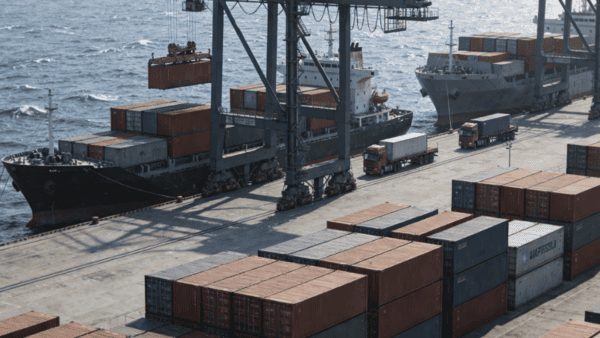
Major transit highways linking core coastal container hubs to inland landlocked regions feature widespread infrastructure imperfections, including unpaved road segments, insufficient lane capacity and substandard bridge structures. Seasonal rainfall deteriorates road conditions further, triggering temporary route suspensions and extended transit lead times for containerized cargo.
UNCTAD 2024 Maritime Transport Review data indicates that road infrastructure flaws prolong average inland transit durations by 35 percent for shipments passing through key West and East African port corridors. These physical constraints create predictable bottlenecks that affect consistent cargo delivery to inland destinations.
Cross-border regulatory fragmentation issues
Bordering African jurisdictions implement divergent customs documentation standards, inspection protocols and transit tax policies for through-cargo operations. The lack of unified regional regulatory frameworks generates inconsistent compliance requirements and frequent random roadside inspections across transit routes.
Even shipments with fully approved and standardized documentation often experience unplanned terminal and roadside dwell time due to discretionary local inspection practices. Such regulatory inconsistencies raise operational uncertainties for global forwarders managing African inland freight.
A common mistake is that international forwarding teams apply universal cross-border compliance templates to African transit scenarios, while overlooking region-specific regulatory differences between coastal port states and inland landlocked territories. This generalized operational approach contributes to document rejections, cargo detention and reduced shipment profit margins.
Why global forwarding networks struggle with standalone African transit management
Global freight enterprises lack on-site operational visibility to address dynamic transit risks associated with Africa port infrastructure corridors serving landlocked markets. Remote management models cannot effectively tackle real-time disruptions and localized procedural barriers unique to African inland logistics scenarios.
Insufficient real-time disruption monitoring capability
African inland transit corridors frequently encounter temporary congestion, scheduled road maintenance, border staffing shortages and regional security fluctuations. Global forwarding teams operating offshore lack continuous on-site monitoring channels to capture these dynamic changes.
The absence of local field intelligence results in rigid shipment scheduling and delayed strategy adjustments, increasing the likelihood of cargo delays and unplanned logistics expenditures.
Lack of localized institutional cooperation channels
Port and border administrative operations across many African regions prioritize localized communication and long-term cooperative relationships for dispute handling, fee verification and clearance coordination. Overseas forwarding teams seldom maintain stable institutional connections with local regulatory authorities.
This gap in local partnership resources slows the processing of transit fee disputes, cargo hold resolutions and exception clearance applications, extending shipment turnaround cycles.
Forwarders should note that centralized global logistics management systems rarely incorporate region-exclusive transit rules for secondary inland corridors connected to major African ports. Cross-regional system standardization ignores micro-level compliance details that directly influence the smooth passage of inland cargo.
How local destination agents eliminate inland transit roadblocks for global forwarders
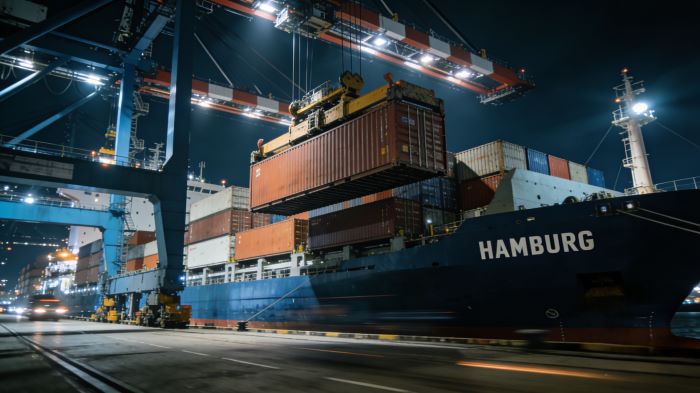
Professional local destination agents provide localized operational expertise and real-time corridor monitoring, enabling global forwarding networks to mitigate common landlocked transit barriers surrounding key Africa port infrastructure lanes. On-the-ground agent support optimizes both procedural compliance and physical transit efficiency.
Conduct real-time corridor condition surveillance: Local agents perform continuous on-site inspections of transit highways, border checkpoints and inland feeder routes linked to coastal port terminals. They deliver timely updates on route disruptions, traffic congestion and inspection arrangement changes, supporting proactive shipment schedule adjustments to reduce cargo dwell time.
Build customized cross-border compliance frameworks: The recommended approach is to cooperate with local agents to develop corridor-specific compliance checklists for all inland transit movements. Local teams update documentation standards, transit permit requirements and tariff rules for each border junction on a rolling basis to reduce compliance errors.
Support institutional liaison and dispute settlement: Long-term partnerships between local agents and port authorities, border control departments and transit regulators streamline cargo clearance procedures. These local connections accelerate the settlement of cargo detention issues, fee discrepancies and inspection delays.
Implement dynamic multi-modal routing optimization: Local agents identify alternative road and intermodal transport solutions during corridor congestion or infrastructure maintenance periods. Flexible routing schemes help bypass blocked sections on primary Africa port infrastructure corridors and stabilize inland delivery schedules.
Maintain stable localized transit cost control: With rich regional operational experience, local agents assist forwarders in securing standardized transit fee structures and reduce irregular roadside charges prevalent on African inland corridors. This practice curbs unplanned auxiliary logistics costs.
What operational benefits do agent partnerships bring to African inland freight?
Long-term cooperative relationships with local destination agents enhance the stability, cost controllability and business scalability of global forwarding services covering African landlocked regions via mainstream port infrastructure corridors. Local partnerships effectively reduce operational uncertainties in high-volatility African transit scenarios.
Improved transit stability and efficiency
Real-time field monitoring and professional localized compliance handling help lower the frequency of inland transit delays across West and East African port corridors. According to 2024 UNCTAD regional logistics evaluation data, forwarders cooperating with mature local agent networks record around 28 percent fewer cargo detention incidents on landlocked transit routes compared with teams relying purely on remote management modes.
Enhanced logistics cost predictability
Unplanned detention fees, irregular border charges and emergency rerouting costs constitute major variable expenditures in African inland freight operations. Timely intervention and standardized processing by local agents reduce such irregular expenses effectively, supporting stable logistics budget planning for Africa-bound shipments.
Optimized regional business scalability
Global forwarders can expand service coverage to remote inland African regions without establishing full-scale local teams through agent cooperation. This model lowers market expansion costs while maintaining consistent service quality, facilitating steady business growth in emerging African inland trade markets.
How forwarders can build resilient local agent partnerships for African transit
Stable and reliable inland transit operations in African port corridors rely on standardized, in-depth cooperation with qualified local destination agents. Casual subcontracting partnerships fail to deliver sustained risk mitigation effects for complex port-connected transit businesses.
Verify targeted regional corridor capabilities during agent screening: Forwarders should note that qualified agent partners need verifiable practical experience in port-to-inland transit operations for specific landlocked regions. General logistics service experience cannot address the unique physical and regulatory challenges of Africa port infrastructure transit corridors.
Formulate unified real-time reporting mechanisms: The recommended approach is to establish standardized daily reporting rules for corridor operating status, cargo positioning and pending compliance tasks. Unified reporting mechanisms improve operational transparency for global teams managing long-distance African inland shipments.
Integrate local field data with global TMS systems: Synchronizing local transit intelligence with global transportation management systems eliminates information isolation. Data integration enables forwarders to make objective, data-driven decisions on routing and scheduling for inland market deliveries.
Carry out periodic joint operational optimization reviews: Regular performance evaluations between global teams and local agents help identify recurring corridor bottlenecks and iterate on mitigation solutions. Continuous operational optimization improves long-term transit reliability amid evolving African logistics environments.
As cross-border trade activities across African regions maintain steady growth, in-depth cooperation with professional local destination agents serves as one of the practical approaches for global forwarding networks to address systemic landlocked transit challenges and elevate the operational value of regional Africa port infrastructure in cross-border supply chain systems.
Last
Comparing LCL consolidation freight rates for retail consumer goods moving along direct australia cargo paths to new zealand lanes
Cost-efficient LCL consolidation for retail consumer goods depends on systematic rate benchmarking and route analysis across Austr
Next
How carrier blank sailing announcements alter weekly space booking strategies on competitive australia and new zealand lanes
Frequent carrier blank sailing adjustments continue to reshape cargo space planning and weekly booking tactics for logistics pract
