Managing export space availability during northern hemisphere winter storm disruptions on busy transatlantic ocean routes
Freight Area
 2-Jun-2026
Transatlantic ocean routes form the core maritime trade corridors connecting North America and Europe, where recurring northern hemisphere winter storms regularly trigger cargo space shortages and vessel schedule delays for cross-border export shipments. These seasonal weather disruptions force global freight forwarders to optimize container capacity allocation, stabilize shipment delivery timelines, and mitigate operational and financial risks amid fluctuating maritime logistics conditions.
How do winter storms undermine transatlantic shipping operational efficiency?
Seasonal winter weather events alter fundamental maritime operating parameters that govern vessel cruising speed, navigational route feasibility, and port turnaround cycles across mainstream transatlantic ocean routes. Adverse meteorological conditions including severe gales, extreme ocean swells, and subzero temperatures drive carriers to adjust sailing schedules, reduce transit velocity, and suspend terminal handling operations during peak winter periods.
According to UNCTAD 2024 maritime logistics statistics, North Atlantic winter weather disturbances lower overall vessel operational efficiency by approximately 18% compared with non-winter operational benchmarks, resulting in reduced usable container capacity on scheduled transatlantic sailings. Persistent northwesterly gales and extreme rogue waves ranging from 9 to 12 meters in height, typical of North Atlantic winter weather systems, compel container vessels to adopt reduced speed transit and navigational rerouting toward calmer sea areas.
These adaptive navigation measures extend voyage durations by 10% to 25% per transatlantic crossing, creating sequential schedule backlogs that accumulate throughout winter months. Delayed vessel arrivals disrupt subsequent slot planning and cargo stowage arrangements, forming a chain reaction of capacity compression across ongoing export shipment arrangements.
Port operational interruptions further exacerbate market capacity tightness. Major US East Coast and North European container ports often encounter temporary terminal shutdowns, suspended crane operations, and postponed berthing approvals during intense winter storm surges. Pending vessel queues accumulate outside port boundaries, which occupies reserved berthing time and squeezes available cargo space on follow-up scheduled sailings.
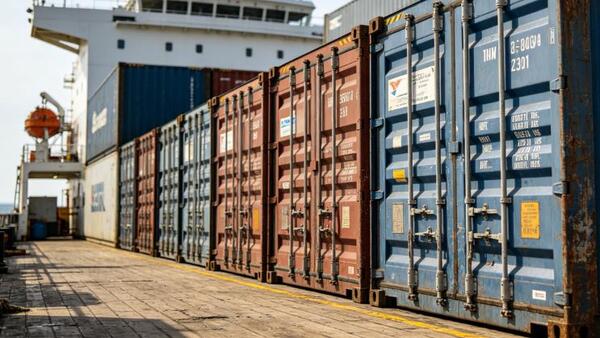
What prevalent capacity constraints affect winter transatlantic freight forwarding?
Freight forwarding enterprises face multiple interconnected capacity limitations when executing shipment arrangements on winter-affected transatlantic ocean routes, which undermine export space stability and end-to-end supply chain predictability. These constraints originate from carrier schedule volatility, dynamic slot reallocation mechanisms, and seasonal freight market price fluctuations.
Fluctuating carrier sailing cancellations: A common mistake is treating contracted sailing slots as fully guaranteed throughout winter storm seasons. Many liner carriers consolidate cargo volumes and adjust sailing frequencies to cut operational losses during adverse weather, which may cancel pre-confirmed export slots with short notice.
Limited standby capacity for emergency vessel rerouting: Forwarders should note that temporary navigational rerouting to evade storm-prone sea zones substantially cuts down usable container capacity. Vessels under emergency rerouting scenarios prioritize cargo under long-term contractual agreements, leaving spot and short-term booking shipments with limited alternative space options.
Seasonal freight rate volatility restricting flexible bookings: Per Freightos Baltic Index (FBX) 2025 winter market monitoring data, transatlantic eastbound and westbound spot freight rates record average increases of 28% during sustained storm weather outbreaks. Such market price fluctuations limit forwarders’ flexibility in arranging last-minute export cargo bookings.
What practical tactics help stabilize winter export cargo space?
Systematic and pre-emptive operational tactics assist freight forwarders in securing stable container space and consistent service quality on storm-impacted transatlantic ocean routes during northern hemisphere winter seasons. These operational measures focus on seasonal contract planning, schedule buffering, and real-time risk response mechanisms.
Establish seasonal tiered capacity reservation agreements: The recommended approach is negotiating winter-adapted tiered capacity contracts with primary and secondary liner carriers in advance of winter seasons. Such contractual frameworks can embed guaranteed minimum slot allocations and preferential loading clauses for weather-induced schedule disruptions.
Adopt flexible schedule buffering mechanisms: Forwarders should note that reserving 3 to 5 days of transit buffer time for all winter transatlantic export shipments mitigates most delay risks from short-term storm impacts. Reasonable buffer settings avoid urgent rush bookings that consume limited seasonal vessel capacity.
Track real-time maritime weather and port operational data: Integrating official North Atlantic weather routing forecasts and real-time port terminal operational updates enables forwarders to adjust shipment plans prior to storm landfall. Proactive plan adjustment reduces competitive rush bookings and cargo bumping incidents during capacity-tight periods.
Diversify carrier resources and shipping lane layouts: A common mistake is concentrating cargo volumes on a single carrier or fixed transatlantic shipping lane. Distributing export shipments across multiple carrier partners and alternative port pairs lowers exposure to localized weather-triggered capacity disruptions.
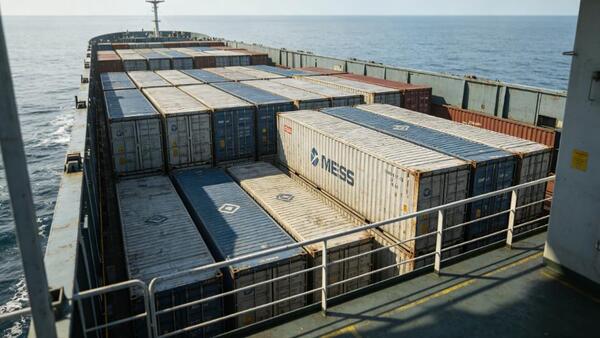
How to build long-term resilience against seasonal capacity disruptions?
Continuous operational optimization helps forwarding businesses enhance long-term risk resistance against recurring winter storm disruptions on transatlantic ocean routes and mitigate seasonal capacity fluctuations. Optimized operations integrate data-driven market analysis, client service mechanism adjustment, and supply chain flexibility upgrading.
According to WTO 2025 global maritime trade analysis, seasonal extreme weather fluctuations in the North Atlantic region have grown more frequent in recent years, making winter adaptive logistics planning a regular operational requirement for cross-border freight businesses. Enterprises that integrate seasonal risk management frameworks into daily workflows maintain relatively stable export space allocation throughout winter cycles.
How can client management optimize seasonal space utilization?
Refined client communication and flexible service rules effectively relieve seasonal cargo space pressure during winter periods. Forwarders may formulate clear winter shipment cutoff schedules, classify cargo priority levels based on client demands, and popularize seasonal capacity constraints among cooperative clients.
Standardized client guidance reduces unplanned urgent shipment requests, which serve as a major cause of excessive capacity occupation during storm-affected periods. Stable and predictable shipment submission rhythms help forwarders allocate reserved vessel space more reasonably and improve overall cargo stowage efficiency.
What value does seasonal data benchmarking deliver?
Long-term data benchmarking supports iterative optimization of winter capacity management strategies. Forwarders can collect and analyze annual data related to winter capacity variations, freight rate fluctuations, and weather-induced disruption durations on transatlantic ocean routes.
Historical data analysis provides reliable references for annual carrier contract negotiations and dynamic slot allocation model adjustment. Continuous strategy iteration reduces operational losses and service instability caused by seasonal North Atlantic weather volatility, forming a sustainable risk control system for winter transatlantic freight operations.
As northern hemisphere winter weather systems continue to introduce variable operational disturbances to global maritime logistics networks, targeted seasonal capacity governance remains essential for sustaining stable export logistics services across high-frequency transatlantic ocean routes. Freight forwarders that combine agile short-term disruption responses with systematic long-term seasonal risk management can effectively stabilize export container space availability, safeguard client supply chain stability, and maintain steady operational competitiveness in the evolving transatlantic trade market.
Last
Meeting strict biosecurity quarantine cleaning certification standards required on all australia shipping runs and new zealand lanes
All logistics professionals servicing Australia New Zealand Lanes must comply with rigorous biosecurity quarantine cleaning certif
Next
Streamlining short sea shipping schedules to improve cross border connectivity within intra asia carrier logistics networks
Intra Asia logistics relies heavily on efficient short sea shipping operations to sustain frequent, cost-effective cross-border ca
