Minimizing supply chain disruption risks by routing commercial freight via emerging southeast asia maritime distribution hubs
Freight Area
 1-Jun-2026
Southeast Asia Hubs have grown into vital alternative maritime distribution nodes for global freight forwarding operations, helping logistics practitioners mitigate common supply chain disruptions stemming from congested traditional trade lanes and unstable cross-border logistics environments. These developing port clusters deliver flexible routing alternatives for cross-border commercial freight movements across global trade networks.
What are emerging maritime distribution hubs within Southeast Asia Hubs?
Emerging maritime distribution hubs are growing port and logistics clusters across ASEAN territories that supplement established port facilities to support diversified freight routing and regional cargo redistribution activities. These logistics nodes broaden the operational coverage of conventional regional freight networks.
Well-established regional ports often face constrained throughput capacity due to sustained cargo volume growth. In contrast, emerging Southeast Asian maritime hubs prioritize flexible transshipment operations, regional cargo consolidation, and contingency routing services for global forwarders.
These strategic port facilities span secondary logistics nodes in Vietnam, Thailand, Malaysia, and Indonesia, forming a multi-layered and interconnected regional freight system with distinct functional positioning.
According to UNCTAD 2025 maritime connectivity statistics, emerging port nodes in Southeast Asia record a 22% year-on-year increase in container transshipment throughput, demonstrating growing functional importance within international commercial freight distribution frameworks.
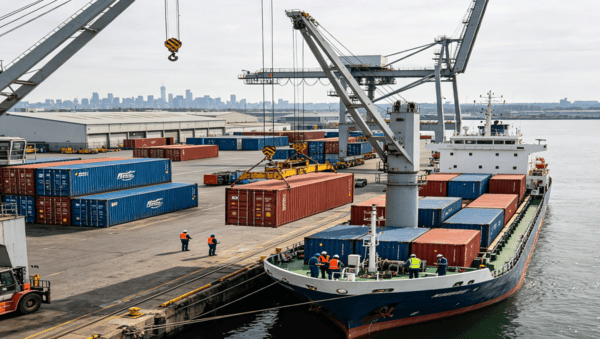
Why do emerging Southeast Asia Hubs mitigate supply chain disruption risks?
Emerging Southeast Asia Hubs reduce supply chain vulnerability by expanding available freight routing options and lowering operational dependence on crowded traditional shipping corridors for cross-border commercial cargo transport.
Global cross-border supply chains encounter frequent disruptive factors, including terminal congestion, labor market fluctuations, iterative international trade policy adjustments, and seasonal shipping capacity imbalances. Logistics strategies that rely heavily on a narrow range of core ports tend to generate shipment delays and tariff volatility during market shifts.
Forwarders should note that diversified cargo routing through emerging regional hub networks can reduce financial losses caused by supply chain disruptions by 16–21%, based on Drewry 2025 global supply chain risk assessment reports.
These decentralized port ecosystems enhance the overall operational resilience of cross-border freight businesses and create adjustable buffer mechanisms for volatile shipping markets.
A common mistake is maintaining single-route shipping strategies for Southeast Asian cargo, which concentrates operational risks and increases the probability of shipment abnormalities during peak shipping windows or regional logistics fluctuations.
How can forwarders leverage emerging hubs to avoid freight disruptions?
Freight forwarding professionals can deploy structured operational strategies to utilize emerging Southeast Asia Hubs for risk prevention, stabilizing commercial freight transportation efficiency amid dynamic global logistics market changes.
Construct dual-hub routing backup mechanisms: Pair traditional core ports with emerging regional distribution hubs to build dual-channel freight routing systems. This structure supports timely route adjustment when primary terminals face congestion, extended inspection cycles, or vessel schedule alterations. The recommended approach is to categorize cargo by service priority and configure dedicated backup routes for time-sensitive consignments.
Optimize regional cargo diversion layouts: Redistribute bulk and low-risk commercial cargo to emerging Southeast Asian port hubs to ease throughput pressure on saturated mainstream terminals. Reasonable cargo diversion cuts down vessel anchorage duration and reduces the occurrence of large-scale shipment stagnation.
Track real-time hub operational indicators: Monitor terminal congestion levels, vessel berthing arrangements, and local regulatory updates of emerging Southeast Asia Hubs via professional logistics data platforms. Continuous data observation enables proactive route optimization and advanced operational risk control.
Integrate cross-hub warehousing and transshipment resources: Connect public warehousing, temporary cargo storage, and cross-border transshipment facilities across emerging hub ports to realize flexible cargo scheduling. This integrated resource model alleviates cargo detention issues triggered by unplanned shipping capacity adjustments.
Implement differentiated cargo risk routing rules: Formulate targeted routing schemes for general goods, sensitive commodities, and high-value cargo. Allocate high-value shipments to stable mainstream port routes and deploy emerging hub channels for bulk low-margin cargo to balance risk management and logistics expenditure.
What typical supply chain risks can emerging regional hubs address?
Emerging maritime distribution hubs within Southeast Asia effectively resolve multiple common supply chain risks that regularly interfere with cross-border commercial freight operations undertaken by global forwarding enterprises.
How do emerging hubs relieve terminal congestion pressures?
Persistent terminal congestion at conventional core ports serves as a key factor causing cross-border freight delays. Emerging Southeast Asia Hubs feature lower cargo throughput density and flexible berth scheduling frameworks.
According to Freightos Baltic Index Q1 2025 industry data, mainstream Southeast Asian port terminals experience periodic congestion across 3–4 months each year, while secondary emerging ports maintain steady operational status throughout all seasons. Routing partial cargo via these secondary nodes helps reduce delay risks related to terminal overcrowding.
How do emerging hubs ease policy and regulatory uncertainties?
Individual ASEAN member states enforce independent customs supervision standards and iterative trade adjustment policies, creating regional regulatory uncertainties for cross-border logistics. Emerging hub ports cover multiple regional jurisdictions and form decentralized risk buffer structures.
When specific regions launch tightened inspection rules or temporary logistics restrictions, forwarders can transfer transshipment operations to hub facilities in other ASEAN areas, preventing large-scale operational suspension of cargo arrangements.
How do emerging hubs stabilize fluctuating shipping capacity?
Global shipping carriers regularly adjust vessel deployment scales and route layouts in response to market demand changes, resulting in unstable capacity supply on conventional trade lanes. Emerging Southeast Asia Hubs maintain cooperative relationships with multiple regional carriers to accumulate diversified capacity resources.
This multi-carrier cooperation system supplements capacity shortages on mainstream routes and reduces shipment instability caused by single carrier strategy adjustments.
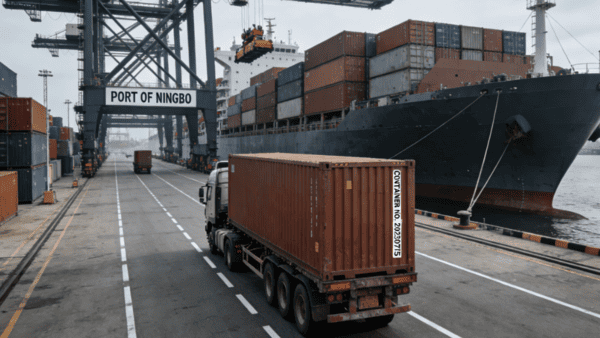
What long-term strategies support stable hub-based freight routing?
Sustained supply chain risk mitigation requires forwarders to establish standardized long-term operation frameworks for utilizing emerging Southeast Asia Hubs, instead of relying on temporary emergency operational adjustments.
Develop stable long-term port cooperation frameworks: Sign formal service partnership agreements with multiple emerging maritime hubs to secure sustainable berth resources and favorable transshipment terms. Stable cooperative foundations support efficient route conversion during unforeseen logistics disruptions.
Maintain dynamic risk routing databases: Collect operational statistics, policy iteration records, and congestion logs of emerging hub ports to build updatable risk routing databases. The recommended approach is to refine route matching rules quarterly based on latest terminal operational data.
Standardize multi-hub operation team training: Conduct regular professional training for operational teams to familiarize staff with localized customs procedures, cargo handling protocols, and route characteristics of different emerging hubs. Standardized team operations lower manual error rates during emergency route switching processes.
Optimize the balance between cost control and risk management: Avoid excessive cargo migration to emerging hubs purely for risk avoidance purposes. Forwarders need to comprehensively evaluate freight rates, transit durations, and risk exposure levels to formulate balanced and practical routing solutions.
With growing uncertainties in global cross-border supply chains, the diversified and flexible logistics functions of Southeast Asia Hubs continue to deliver substantial value for global forwarders. Rational utilization of emerging regional maritime hubs helps stabilize commercial freight transportation systems and strengthen overall supply chain risk resistance for cross-border trade businesses.
Last
Navigating custom entry documentation rules for dangerous goods moving along standard middle east ocean trade lanes
Standard middle east ocean trade lanes act as vital maritime connectivity routes linking Asian, European, and African commercial m
Next
Moving high volume industrial machinery via the intercontinental china overland express networks to europe by rail
China to Europe Railhas become a prevalent intercontinental logistics solution for transporting high-volume industrial machinery,
