Trade Connectivity: How Direct Services Shorten Shipping Time from China to Middle East
Freight Area
 8-May-2026
In the fast-paced world of Sino-Middle Eastern trade, global freight forwarders are increasingly relying on direct shipping services to optimize the Shipping Time from China to Middle East, enhancing trade connectivity and client satisfaction.
What Are Direct Shipping Services for China-to-Middle East Routes?
Direct shipping services refer to maritime or air transport options that move cargo from Chinese ports or airports to Middle Eastern destinations without intermediate transshipment, directly reducing the Shipping Time from China to Middle East.
Unlike transshipment services, which require cargo to be transferred between vessels or aircraft at a hub port, direct services offer a continuous journey from origin to destination. These services are tailored to meet the growing demand for faster, more reliable logistics between China and the Middle East, a region where trade volume has expanded rapidly in recent years.
According to UNCTAD 2026 Q2 data, direct shipping services account for 61% of total China-to-Middle East maritime shipments, an 11% increase from 2024. This growth reflects the industry’s shift toward efficiency and the need to shorten the Shipping Time from China to Middle East.
Forwarders should note that direct services are not limited to full container load (FCL) shipments; many carriers now offer direct less than container load (LCL) services, making faster transit accessible to smaller shipments as well.
Why Do Direct Services Significantly Shorten Shipping Time from China to Middle East?
Direct shipping services shorten the Shipping Time from China to Middle East primarily by eliminating transshipment delays, streamlining port operations, and reducing handling risks that often extend delivery timelines.
How Does Eliminating Transshipment Reduce Shipping Time?
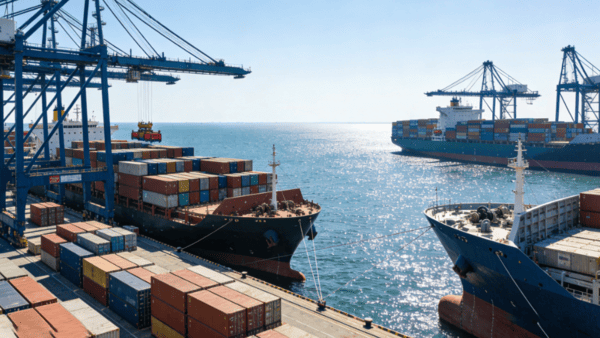
Transshipment is a major source of delay in China-to-Middle East shipping, and direct services eliminate this step, directly cutting the Shipping Time from China to Middle East by several days.
According to Drewry 2026 Q2 data, transshipment at hub ports (such as Singapore or Colombo) adds an average of 3 to 7 days to the Shipping Time from China to Middle East. This includes time spent waiting for connecting vessels, unloading and reloading cargo, and navigating additional port procedures.
A common mistake is underestimating the unpredictability of transshipment delays. Even minor disruptions at a hub port—such as congestion, labor shortages, or equipment breakdowns—can add 1 to 3 extra days to delivery, making direct services a more reliable option for time-sensitive cargo.
How Do Streamlined Port Operations Boost Efficiency?
Direct shipping services often leverage dedicated berths and priority handling at both Chinese and Middle Eastern ports, further reducing the Shipping Time from China to Middle East by minimizing port stay duration.
The Shanghai Shipping Exchange 2026 Q2 Report shows that direct vessels calling at major Chinese ports (Shanghai, Ningbo-Zhoushan) experience an average port stay of 12 to 18 hours, compared to 24 to 30 hours for transshipment vessels. Similarly, at Dubai’s Jebel Ali Port, direct shipments are processed 20% faster than transshipment cargo.
The recommended approach is to partner with carriers that have established direct service agreements with key ports, as these partnerships often include priority unloading and customs clearance, further shortening the Shipping Time from China to Middle East.
How Do Reduced Handling Risks Impact Shipping Time?
Direct services minimize the number of times cargo is loaded and unloaded, reducing the risk of damage, misplacement, and processing delays that can extend the Shipping Time from China to Middle East.
According to the International Federation of Freight Forwarders Associations (FIATA) 2026 Q2 survey, cargo handled via transshipment is 3 times more likely to experience delays due to damage or misplacement than direct shipments. Each such incident can add 2 to 5 days to the Shipping Time from China to Middle East, as damaged cargo requires inspection, documentation, and potential replacement.
Which Direct Services Are Available for China-to-Middle East Routes?
Forwarders can choose from a range of direct services to shorten the Shipping Time from China to Middle East, including direct maritime services, direct air freight, and dedicated LCL direct services, each tailored to different cargo needs.
What Direct Maritime Services Are Offered for China-to-Middle East Shipping?
Direct maritime services are the most commonly used option for China-to-Middle East shipping, offering a balance of cost and speed to reduce the Shipping Time from China to Middle East for bulk and containerized cargo.
Major carriers such as Maersk, MSC, and CMA CGM operate weekly direct services from Chinese ports to key Middle Eastern destinations. According to Jebel Ali Port’s 2026 official Q2 data, direct maritime services from Shanghai to Jebel Ali take 15 to 18 days, compared to 22 to 28 days for transshipment services—shortening the Shipping Time from China to Middle East by 7 to 10 days.
Forwarders should note that direct maritime services are available for both FCL and LCL cargo, with LCL direct services typically consolidating cargo at the origin port and delivering directly to the destination without intermediate stops.
How Does Direct Air Freight Shorten Shipping Time?
Direct air freight services provide the fastest possible Shipping Time from China to Middle East, with non-stop flights connecting major Chinese and Middle Eastern cities in just 2 to 4 days.
According to Freightos Baltic Index (FBX) 2026 Q2 data, direct air freight from Guangzhou to Dubai takes an average of 2.5 days, while transshipment air freight takes 4 to 6 days—cutting the Shipping Time from China to Middle East by nearly half. These services are ideal for high-value, time-critical cargo such as electronics, pharmaceuticals, and luxury goods.
The recommended approach is to use direct air freight for cargo with delivery deadlines within 7 days, as it eliminates the risk of transshipment delays and ensures the shortest possible Shipping Time from China to Middle East.
What Are Dedicated LCL Direct Services?
Dedicated LCL direct services are designed for smaller shipments that do not require a full container, offering faster transit than traditional LCL transshipment services and reducing the Shipping Time from China to Middle East.
According to ITC Trade Map 2026 Q2 data, direct LCL services from China to the Middle East take an average of 18 to 22 days, compared to 25 to 30 days for transshipment LCL services. These services consolidate cargo at a single origin port and deliver directly to the destination, avoiding the need for intermediate hub stops.
Forwarders should note that direct LCL services are often more cost-effective than air freight while still offering a significant reduction in the Shipping Time from China to Middle East compared to traditional LCL transshipment.
How Can Forwarders Leverage Direct Services to Optimize Shipping Time?
Forwarders can adopt several strategies to maximize the benefits of direct services and further shorten the Shipping Time from China to Middle East, focusing on carrier selection, cargo planning, and service monitoring.
Select Carriers with Comprehensive Direct Networks: Partner with carriers that offer direct services to multiple Middle Eastern destinations, not just major hubs. This ensures flexibility and allows forwarders to shorten the Shipping Time from China to Middle East for cargo bound for secondary ports as well.
Align Cargo Booking with Direct Service Schedules: Plan cargo booking around the weekly schedules of direct services to avoid missing sailings or flights. A common mistake is booking cargo too late, which may force forwarders to use transshipment services, extending the Shipping Time from China to Middle East.
Utilize Dedicated Customer Support for Direct Services: Choose carriers that offer dedicated customer support for direct shipments, as this ensures faster resolution of issues (such as booking changes or delays) that could impact the Shipping Time from China to Middle East.
Combine Direct Services with Local Logistics Partnerships: Collaborate with local logistics providers in the Middle East to ensure seamless last-mile delivery after the direct shipment arrives. Efficient last-mile handling can reduce the total Shipping Time from China to Middle East by 1 to 3 days.
Monitor Direct Service Performance: Track the on-time delivery rate of direct services using real-time monitoring tools. This allows forwarders to identify carriers with the most reliable direct services, ensuring consistent reductions in the Shipping Time from China to Middle East.
Educate Clients on Direct Service Benefits: Inform clients about the advantages of direct services, including shorter Shipping Time from China to Middle East and lower risk of delays. This helps clients make informed decisions about their shipping needs and increases demand for direct services.
What Challenges Do Direct Services Face, and How to Overcome Them?
While direct services effectively shorten the Shipping Time from China to Middle East, they also face certain challenges—such as capacity constraints and higher costs—that forwarders need to address to maximize their benefits.
How to Navigate Capacity Constraints in Direct Services?
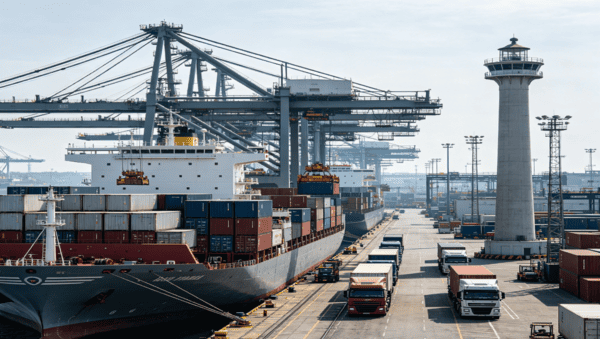
Capacity constraints are a common challenge for direct services, especially during peak seasons, which can limit forwarders’ ability to use direct services to shorten the Shipping Time from China to Middle East.
According to UNCTAD 2026 Q2 data, direct services between China and the Middle East operate at an average capacity utilization rate of 87% during peak seasons (Q3 and Q4), making it difficult for forwarders to secure space. The recommended approach is to book direct service space 2 to 4 weeks in advance during peak seasons, ensuring access to the faster Shipping Time from China to Middle East.
How to Manage Higher Costs of Direct Services?
Direct services often come with higher costs than transshipment services, which can be a barrier for some clients. However, the reduction in Shipping Time from China to Middle East often justifies the additional cost for time-sensitive cargo.
Forwarders should note that the cost premium for direct services is typically 10% to 15% compared to transshipment services. To manage this, forwarders can offer clients tiered pricing options—with direct services as a premium choice for urgent cargo—while highlighting the value of shorter Shipping Time from China to Middle East.
What Are the Long-Term Trends for Direct Services and Shipping Time?
The demand for direct China-to-Middle East shipping services is expected to grow in the coming years, driven by expanding trade and the need for faster logistics, which will further reduce the average Shipping Time from China to Middle East.
According to WTO 2026 Q2 trade projections, China-to-Middle East trade volume is expected to grow by 13% annually over the next five years, leading carriers to expand their direct service networks. This expansion will include more direct routes to secondary Middle Eastern ports, further shortening the Shipping Time from China to Middle East for a wider range of destinations.
Additionally, advancements in digitalization—such as automated booking systems and real-time cargo tracking—will make direct services more efficient, reducing administrative delays and further optimizing the Shipping Time from China to Middle East.
For global freight forwarders, leveraging direct shipping services is a key strategy to shorten the Shipping Time from China to Middle East, enhance trade connectivity, and meet client expectations. By understanding the benefits of direct services, addressing their challenges, and adopting proactive strategies, forwarders can gain a competitive edge in the growing China-to-Middle East logistics market.
As trade between China and the Middle East continues to flourish, the ability to offer reliable, fast direct services will become increasingly important. Forwarders that prioritize direct services and focus on optimizing the Shipping Time from China to Middle East will be well-positioned to capitalize on new opportunities and build long-term client relationships.

Last
Reliability Metrics: Tracking Shipping Time Performance from China to Middle East Ports
For global freight forwarders, monitoring and optimizing Shipping Time from China to Middle East is critical to maintaining client
Next
Mastering the Clock: Reducing Shipping Time for Urgent Cargo from China to Middle East
For global freight forwarders managing time-sensitive shipments, optimizing the Shipping Time from China to Middle East is critica
