Emerging Markets: Managing the Ocean Freight Cost for Cargo Moving from China to Africa
Freight Area
 8-May-2026
As China maintains its status as Africa’s largest trading partner for 16 consecutive years, the Ocean Freight Cost from China to Africa has become a core concern for global freight forwarders navigating this dynamic emerging market. Understanding and optimizing these costs is key to staying competitive in Sino-African trade.
What Constitutes the Ocean Freight Cost from China to Africa?
The Ocean Freight Cost from China to Africa encompasses more than just the basic shipping fee; it includes a combination of base freight, surcharges, port fees, and auxiliary costs that vary by route, cargo type, and market conditions. These components collectively determine the total cost forwarders quote to clients.
Base Freight: The Foundation of Total Cost
Base freight forms the foundation of the total cost, set by carriers based on supply and demand dynamics in the Sino-African shipping market. According to Shanghai Shipping Exchange 2026 Q1 data, the base freight for a 20GP container from China to West Africa averaged $2,700–$4,200, while a 40HQ container ranged from $4,300–$6,400, reflecting regional differences in trade volume and port efficiency.
Surcharges: Volatile Cost Components
Surcharges are a significant and often volatile component, driven by external factors such as fuel prices, geopolitical tensions, and regulatory changes. Common surcharges include bunker adjustment factor (BAF), currency adjustment factor (CAF), and peak season surcharges (PSS). For example, amid rising fuel costs in 2025, BAF accounted for 18–22% of the total Ocean Freight Cost from China to Africa, according to Drewry’s 2025 Maritime Cost Report.
Port Fees: Additional Cost Layers
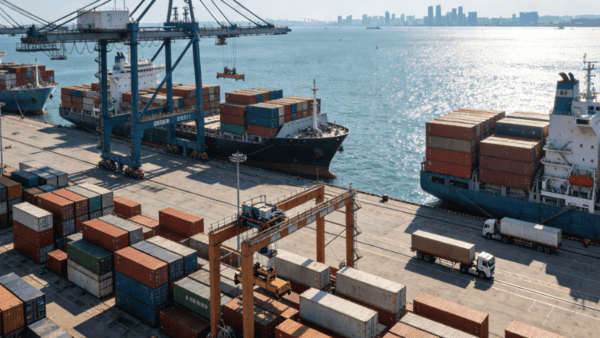
Port fees, including loading/unloading fees, terminal handling charges (THC), and storage fees, add another layer of cost. African ports vary widely in efficiency: while ports like Durban (South Africa) and Dar es Salaam (Tanzania) have modern facilities, others face bottlenecks that increase fees. According to Nigeria Shippers’ Council 2025 Q2 data, demurrage fees at Lagos Port averaged $850–$1,300 per container due to prolonged waiting times, directly inflating the total Ocean Freight Cost from China to Africa.
Why Is the Ocean Freight Cost from China to Africa Volatile in 2025–2026?
The volatility of the Ocean Freight Cost from China to Africa in 2025–2026 stems from four key factors: geopolitical tensions, port inefficiencies, policy changes, and supply-demand shifts, all of which create uncertainty for forwarders managing client expectations and budgets.
Geopolitical Tensions Disrupt Shipping Lanes
Geopolitical tensions in key shipping lanes have disrupted supply chains and driven up costs. According to UNCTAD’s 2025 Maritime Review, ongoing conflicts in the Red Sea and Suez Canal have forced some carriers to reroute via the Cape of Good Hope, increasing voyage distances and fuel consumption. This rerouting has added 12–17% to the Ocean Freight Cost from China to Africa for some routes, as carriers pass on additional expenses to forwarders.
Persistent Port Inefficiencies in Africa
Port inefficiencies in parts of Africa remain a persistent challenge. As noted in a 2026 industry report by the African Ports and Harbors Association, ports in West Africa, such as Lagos (Nigeria), face infrastructure bottlenecks that lead to extended waiting times—up to 80 hours for trucks at Lagos Port—and higher handling fees. These inefficiencies not only delay cargo delivery but also increase storage and demurrage costs, which are often included in the total Ocean Freight Cost from China to Africa.
Policy Changes Drive Demand Fluctuations
Policy changes, particularly China’s expanded zero-tariff initiative for 54 African countries (updated in 2025), have boosted trade volume but also affected shipping demand. According to China’s Ministry of Commerce 2025 full-year data, imports from African least developed countries increased by 16.8% year-on-year, driving up demand for shipping capacity. This surge in demand has led to occasional spikes in base freight, especially during peak seasons, further contributing to cost volatility.
Carrier Capacity Adjustments Exacerbate Imbalances
Forwarders should note that supply-demand imbalances are exacerbated by carrier capacity adjustments. In 2025, China COSCO Shipping Specialized Carriers launched a weekly direct service from China to East Africa, increasing capacity by nearly 160 million cubic meters annually, according to China Communications News Network 2025 Q4 data. While this service has improved efficiency, it has also created short-term fluctuations in freight costs as the market adjusts to new capacity levels.
How Can Forwarders Effectively Manage the Ocean Freight Cost from China to Africa?
Managing the Ocean Freight Cost from China to Africa requires a proactive approach that combines route optimization, carrier collaboration, and risk mitigation strategies. Forwarders who adopt a data-driven and flexible strategy can better control costs and deliver value to their clients.
Optimize Route Selection: Choose routes based on cargo type, delivery timeline, and cost efficiency. For example, the new weekly direct service from Qingdao to East Africa (launched in 2025) reduces transit time to 18 days, cutting down on storage and demurrage costs. Forwarders should compare routes from different Chinese ports (e.g., Qingdao, Shanghai, Yantai) to find the optimal balance of cost and speed.
Establish Long-Term Carrier Partnerships: Building relationships with reliable carriers, such as China COSCO Shipping Specialized Carriers, can lead to preferential rates and more stable pricing. The recommended approach is to negotiate annual contracts with carriers that include fixed rates for core routes, reducing exposure to short-term market fluctuations. This is particularly effective for forwarders handling regular shipments to Africa.
Mitigate Surcharge Risks: Monitor external factors that drive surcharges, such as fuel prices and geopolitical tensions, and incorporate contingency plans into client quotes. A common mistake is failing to account for potential surcharge increases, which can erode profit margins. Forwarders should use tools like the Freightos Baltic Index (FBX) to track real-time surcharge trends and adjust quotes accordingly.
Streamline Cargo Consolidation: Consolidate small shipments into full containers (FCL) to reduce per-unit costs. For example, less than container load (LCL) rates average $160–$270 per cubic meter, while FCL rates offer lower unit costs for larger volumes. Forwarders can work with clients to coordinate shipment timelines and consolidate cargo, thereby lowering the overall Ocean Freight Cost from China to Africa.
Leverage Digital Tools for Visibility: Use digital platforms to track cargo in real time and optimize supply chain efficiency. Tools that provide end-to-end visibility help forwarders avoid delays and reduce storage costs, which are key contributors to inflated freight costs. For example, China COSCO Shipping Specialized Carriers’ digital tracking system allows forwarders to monitor cargo status, reducing the risk of demurrage and unexpected fees.
What Common Pitfalls Should Forwarders Avoid When Calculating Costs?
When calculating the Ocean Freight Cost from China to Africa, forwarders often fall into avoidable traps that lead to cost overruns and client dissatisfaction. Being aware of these pitfalls is critical to accurate cost management and profitable operations.
Underestimating Port and Customs Clearance Fees
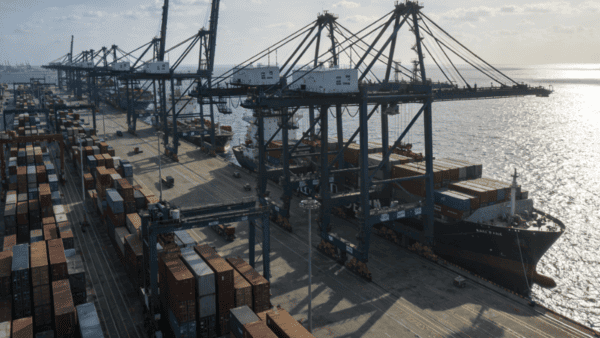
A common mistake is underestimating the impact of African port fees and customs clearance costs. Many forwarders focus solely on base freight and overlook fees such as terminal handling charges, inspection fees, and non-official “expediting fees” that are common in some African countries. According to Nigeria Shippers’ Council 2025 Q3 data, secondary inspection rates due to documentation errors reached 29%, leading to additional costs that are often passed on to forwarders.
Failing to Account for Transit Time Variations
Another pitfall is failing to account for transit time variations. Delays caused by port congestion, bad weather, or rerouting can lead to demurrage and storage fees that significantly increase the total Ocean Freight Cost from China to Africa. Forwarders should build buffer time into their quotes and communicate potential delays to clients to manage expectations.
Relying on Outdated Cost Data
Forwarders should note that relying on outdated data when quoting costs can lead to inaccurate estimates. The Sino-African shipping market is dynamic, with freight rates and surcharges changing frequently. Using real-time data from sources like the Shanghai Shipping Exchange and FBX ensures that quotes are accurate and competitive, reducing the risk of cost overruns.
How Do Market Trends Impact the Future of Ocean Freight Cost from China to Africa?
Several key market trends are shaping the future of the Ocean Freight Cost from China to Africa, including increased port investment, digitalization, and growing demand for sustainable shipping. Forwarders who adapt to these trends can position themselves for long-term success in this emerging market.
Increased African Port Investment Improves Efficiency
Increased port investment in Africa, particularly in West and East Africa, is expected to improve efficiency and reduce costs. According to 2026 industry data from the China-Africa Port Development Association, Chinese companies are involved in 82 African ports across 34 countries, with 38 ports in West Africa alone. These modernized ports, such as Lekki Port (Nigeria) and Kilindini Port (Kenya), are equipped with advanced handling facilities, which will likely reduce waiting times and lower port fees over time.
Digitalization Transforms Cost Management
Digitalization is another trend transforming cost management. Carriers and forwarders are increasingly using AI and data analytics to optimize routes, predict surcharges, and streamline operations. The recommended approach is to adopt digital tools that integrate real-time freight data, allowing forwarders to make informed decisions and reduce the Ocean Freight Cost from China to Africa.
Sustainable Shipping Impacts Long-Term Costs
Sustainable shipping is also becoming a key consideration, with carriers investing in green fleets to meet global environmental standards (such as the IMO 2025 sulfur cap). While green shipping may initially increase costs, it is expected to reduce long-term expenses through fuel efficiency and regulatory compliance. Forwarders should factor in the potential impact of sustainable shipping initiatives when planning for future cost management.
As Sino-African trade continues to grow, the Ocean Freight Cost from China to Africa will remain a critical factor for global forwarders. By understanding the components of these costs, mitigating volatility, avoiding common pitfalls, and adapting to market trends, forwarders can effectively manage expenses, deliver value to clients, and capitalize on the opportunities in this dynamic emerging market. Success in this space requires a combination of data-driven decision-making, proactive risk management, and strategic collaboration with carriers and partners across the supply chain.
Last
Hidden Fees to Avoid: A Comprehensive Breakdown of Ocean Freight Cost from China to Africa
For global freight forwarders managing shipments between China and Africa, understanding the full scope of Ocean Freight Cost from
Next
Mastering DDP Services for Sea Freight Moving from China to Australia
For global freight forwarders focusing on Shipping from China to Australia, mastering Delivered Duty Paid (DDP) services is a key
