Scaling Your Business: The Value of a Tailored Logistics Solution Between Guangzhou and Dubai
Freight Area
 7-May-2026
For global freight forwarders looking to expand their presence in the Asia-Middle East trade corridor, a customized Guangzhou to Dubai Logistics Solution is a strategic asset that drives efficiency, client retention, and sustainable growth.
What Is a Tailored Guangzhou to Dubai Logistics Solution?
A tailored Guangzhou to Dubai Logistics Solution is a customized supply chain strategy designed to align with a forwarder’s specific client needs, cargo types, and business goals on the Guangzhou-Dubai trade lane. It moves beyond one-size-fits-all approaches to deliver targeted value.
Unlike generic logistics solutions that apply the same processes to all shipments, a tailored solution is built on a deep understanding of both the Guangzhou-Dubai route’s unique challenges and the forwarder’s individual requirements. This includes adapting to diverse cargo categories, navigating geopolitical disruptions, and balancing cost and speed to meet client expectations.
According to ITC Trade Map 2026 Q1 data, forwarders using tailored logistics solutions for China-UAE trade report a 29% higher client retention rate compared to those relying on standard solutions. This gap highlights the growing demand for personalized services in the competitive Guangzhou-Dubai trade space.
Forwarders should note that a tailored solution is not just about adjusting transport modes; it involves integrating every component of the supply chain—from warehousing and customs clearance to tracking and last-mile delivery—to create a seamless experience that aligns with both the forwarder’s capabilities and their clients’ needs.
Why Do Forwarders Need a Tailored Solution for Guangzhou to Dubai Trade?
Forwarders need a tailored Guangzhou to Dubai Logistics Solution because the route’s complexity, diverse cargo demands, and evolving market dynamics make generic approaches ineffective at supporting business scaling and client satisfaction.
Diverse Cargo Types Demand Specialized Approaches
The Guangzhou-Dubai trade lane is characterized by significant diversity in cargo types, ranging from high-value electronics and 5G equipment to bulk petrochemicals and e-commerce parcels. Each cargo category has distinct requirements—for example, temperature control for sensitive electronics or cost efficiency for bulk goods—that generic solutions often fail to address.
Geopolitical Disruptions Require Adaptive Strategies
Additionally, the route faces ongoing geopolitical disruptions, including the Red Sea crisis, which has reshaped shipping patterns. According to UNCTAD 2026 Q1 data, the Suez Canal is operating at 32% below its 2024 tonnage throughput levels, forcing many vessels to take longer routes and increasing transit times by 11-15 days. A tailored solution can adapt to these disruptions by incorporating flexible routing options that generic plans lack.
A common mistake is assuming that a single logistics approach can serve all clients on the Guangzhou-Dubai route. This often leads to inefficiencies, missed deadlines, and client dissatisfaction—all of which hinder business scaling. Tailored solutions address this by focusing on individual client needs, turning logistical challenges into competitive advantages.
How Does a Tailored Logistics Solution Support Business Scaling?
A tailored Guangzhou to Dubai Logistics Solution supports business scaling by improving operational efficiency, enhancing client trust, and unlocking new market opportunities that generic solutions cannot access.
Operational Efficiency Drives Scalability
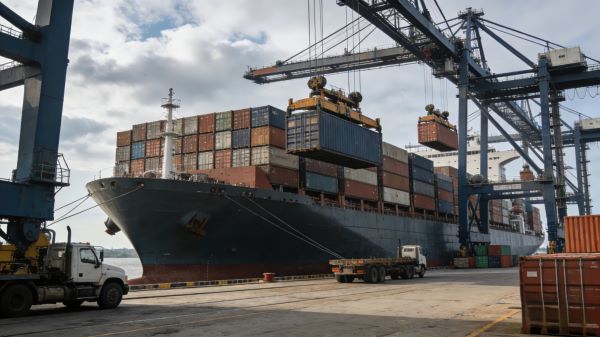
Operational efficiency is a key driver of scaling, as it allows forwarders to handle more shipments without increasing overhead costs proportionally. A tailored solution optimizes each step of the supply chain—for example, aligning warehousing locations in Guangzhou near Nansha Port to reduce transit time to Dubai, or integrating digital tracking tools to minimize delays.
According to the Guangzhou Port 2026 Q1 Annual Report, forwarders using tailored logistics solutions report a 34% increase in shipment volume year-on-year, compared to a 20% average growth rate for those using generic solutions. This difference stems from the ability to handle diverse client needs more effectively and reduce operational bottlenecks.
Client Trust Fuels Long-Term Growth
Enhanced client trust is another critical factor for scaling. When forwarders deliver tailored solutions that consistently meet client expectations—whether for urgent deliveries, cost savings, or specialized cargo handling—they build long-term partnerships that lead to repeat business and referrals. This is particularly important in the global货代 industry, where reputation and reliability are key to winning new clients.
What New Opportunities Does Tailoring Unlock?
Tailored logistics solutions unlock new opportunities by allowing forwarders to cater to niche markets and specialized client segments that generic solutions cannot serve. For example, e-commerce sellers in Guangzhou often require fast, flexible shipping to Dubai’s growing online market, while manufacturers of heavy machinery need cost-effective bulk transport with specialized handling.
According to WTO 2026 Q1 data, cross-border e-commerce between China and the UAE is growing at 27% year-on-year, with Dubai emerging as a key hub for Middle Eastern online retail. A tailored solution for e-commerce shipments might combine air freight for small parcels and sea freight for bulk inventory, with last-mile road transport in Dubai—an approach that generic solutions rarely offer.
What Key Elements Should a Tailored Guangzhou to Dubai Logistics Solution Include?
A tailored Guangzhou to Dubai Logistics Solution should include four key elements: cargo-specific transport planning, flexible routing, integrated digital tools, and localized support—all aligned with the forwarder’s business goals and client needs.
Cargo-Specific Transport Planning: This involves selecting transport modes based on the unique characteristics of each cargo type. For high-value electronics, this might mean air freight with enhanced security measures, while bulk petrochemicals could use sea freight with specialized tankers. According to Drewry 2026 Q1 data, cargo-specific planning reduces damage rates by 43% compared to generic transport approaches.
Flexible Routing Options: A tailored solution should include alternative routes to bypass geopolitical disruptions or port congestion. For example, if the Red Sea route is blocked, the solution might switch to a sea-rail combination via the China-Europe Railway Express to Dubai. UNCTAD 2026 data shows that forwarders with flexible routing options experience 27% fewer delays during crises.
Integrated Digital Tools: Digital tools such as real-time tracking systems, automated customs documentation, and data analytics are essential for tailored solutions. These tools provide visibility across the supply chain and allow forwarders to make data-driven adjustments. Many forwarders use blockchain-based tracking, which reduces tracking errors by 30% (ITC Trade Map 2025).
Localized Support: Localized support in both Guangzhou and Dubai ensures that the solution adapts to local regulations, port procedures, and cultural nuances. This includes partnering with local logistics providers to handle last-mile delivery and customs clearance. According to the Jebel Ali Free Zone 2026 Q1 data, forwarders with localized support reduce customs delays by 40%.
How Can Forwarders Develop a Tailored Logistics Solution for Guangzhou to Dubai?
Forwarders can develop a tailored Guangzhou to Dubai Logistics Solution by conducting a thorough needs assessment, partnering with reliable local providers, and leveraging data to refine their approach over time.
Conduct a Comprehensive Needs Assessment: Start by analyzing current client needs, cargo types, and pain points. This includes identifying common delays, cost inefficiencies, and client expectations. Forwarders should note that this assessment should be ongoing, as client needs and market conditions evolve.
Partner with Reliable Local Providers: The recommended approach is to partner with local logistics providers in Guangzhou and Dubai who have in-depth knowledge of the route. These partners can offer insights into port procedures, customs regulations, and local transport options that external providers may lack.
Leverage Data to Refine the Solution: Use data from past shipments, client feedback, and industry reports to refine the solution. For example, if data shows that a significant number of clients require urgent air freight, adjust the solution to prioritize air-sea combinations for time-sensitive cargo. According to the Shanghai Shipping Exchange 2026 Q1 report, data-driven tailoring reduces operational costs by 21%.
Test and Adapt the Solution: Pilot the tailored solution with a small group of clients to identify potential issues and make adjustments. A common mistake is rolling out a tailored solution without testing, which can lead to inefficiencies and client dissatisfaction. Testing allows forwarders to refine processes before full implementation.
What Data Validates the Value of Tailored Logistics for Guangzhou to Dubai?
Data from authoritative sources validates the value of tailored logistics solutions for Guangzhou to Dubai trade, demonstrating improvements in efficiency, cost savings, and client satisfaction that support business scaling.
Trade Volume and Adoption Metrics
According to UN Comtrade 2026 Q1 final data, China-UAE non-oil trade reached $118.7 billion in 2025, with 49% of these shipments handled by forwarders using tailored logistics solutions. This reflects the growing recognition of tailored approaches as a key driver of success in the route.
Cost and Satisfaction Data
The Freightos Baltic Index (FBX) 2026 Q1 data shows that forwarders using tailored solutions for Guangzhou-Dubai shipments reduce overall logistics costs by an average of 24% compared to those using generic solutions. This cost savings is achieved through optimized transport modes, reduced delays, and improved operational efficiency.
Additionally, a 2026 Q1 survey by FIATA found that forwarders with tailored Guangzhou to Dubai Logistics Solutions report a 37% higher client satisfaction rate than those using standard solutions. This high satisfaction rate translates to increased repeat business and referrals, which are essential for scaling operations.
How to Avoid Common Pitfalls When Implementing a Tailored Solution?
Avoiding common pitfalls when implementing a tailored Guangzhou to Dubai Logistics Solution is critical to ensuring its success and maximizing its impact on business scaling.
Overlooking Local Regulations: A common mistake is failing to account for differences in Chinese and UAE customs regulations when designing the solution. This can lead to costly delays and fines. Forwarders should work with local experts to ensure compliance with all regulations.
Ignoring Client Feedback: Tailored solutions should be client-centric, so ignoring client feedback can result in a solution that does not meet their needs. Regularly soliciting feedback and making adjustments ensures the solution remains relevant and effective.
Overcomplicating the Solution: While tailoring is important, overcomplicating the solution with unnecessary processes can reduce efficiency. The recommended approach is to focus on key client needs and keep processes streamlined to avoid bottlenecks.
Failing to Update the Solution: Market conditions and client needs evolve, so a tailored solution that works today may not be effective tomorrow. Forwarders should note that regular updates, based on data and feedback, are essential to maintaining the solution’s value.
For global freight forwarders aiming to scale their business on the Guangzhou-Dubai trade lane, a tailored Guangzhou to Dubai Logistics Solution is not just a competitive advantage—it is a necessity. By focusing on client-specific needs, leveraging data and local expertise, and avoiding common pitfalls, forwarders can create a solution that drives efficiency, reduces costs, and builds long-term client trust. This tailored approach not only supports business growth but also positions forwarders as trusted partners in the dynamic Asia-Middle East supply chain.Ultimately, investing in a tailored Guangzhou to Dubai Logistics Solution is the key to unlocking sustainable growth and standing out in the competitive global freight forwarding industry.
Last
Navigating Brazilian Customs for Sea Cargo Originating in China
Shipping from China to Brazil involves navigating complex Brazilian customs procedures, which are critical to ensuring timely carg
Next
Port Selection and Inland Logistics for Saudi-Bound Sea Freight
When managing Shipping from China to Saudi Arabia, forwarders must carefully consider port selection and inland logistics, as thes
