Why a Multi-Modal Logistics Solution is Essential for Guangzhou to Dubai Trade Lanes
Freight Area
 7-May-2026
In the evolving landscape of Guangzhou to Dubai trade, a flexible and integrated Guangzhou to Dubai Logistics Solution that leverages multi-modal transport has become indispensable for forwarders aiming to navigate complexities and deliver consistent value to clients.
What is a Multi-Modal Logistics Solution for Guangzhou to Dubai Trade?
A multi-modal logistics solution for Guangzhou to Dubai trade integrates two or more distinct transport modes—such as sea, air, rail, and road—to create a seamless end-to-end supply chain. It combines the strengths of each mode to balance cost, speed, and reliability for diverse cargo needs.
Unlike single-mode transport, which relies solely on one method (e.g., sea or air), multi-modal solutions are designed to adapt to the unique demands of the Guangzhou-Dubai route, which connects a major manufacturing hub in Southern China to a global transshipment center in the Middle East. Forwarders should note that multi-modal transport is not just a combination of modes but a coordinated strategy that includes customs clearance, warehousing, and real-time tracking across all stages.
According to UNCTAD 2025 data, multi-modal transport accounts for 38% of global trade volume, with year-on-year growth of 7.2%—outpacing single-mode maritime transport growth of 0.5%. For the Guangzhou-Dubai route specifically, multi-modal solutions have become increasingly prevalent, driven by the need to overcome geopolitical disruptions and meet diverse client deadlines.
Why Has Multi-Modal Transport Become Non-Negotiable for Guangzhou to Dubai Forwarders?
Multi-modal transport has become non-negotiable for Guangzhou to Dubai forwarders due to the route’s unique challenges, including geopolitical tensions, varying cargo requirements, and the need to balance cost and speed in a competitive market.
A common mistake is assuming that single-mode transport can meet all client needs on the Guangzhou-Dubai route. For example, sea freight alone may be too slow for urgent high-value cargo, while air freight alone is often cost-prohibitive for large-volume shipments. Multi-modal solutions resolve this conflict by combining the cost-effectiveness of sea or rail with the speed of air, creating a tailored approach for each shipment.
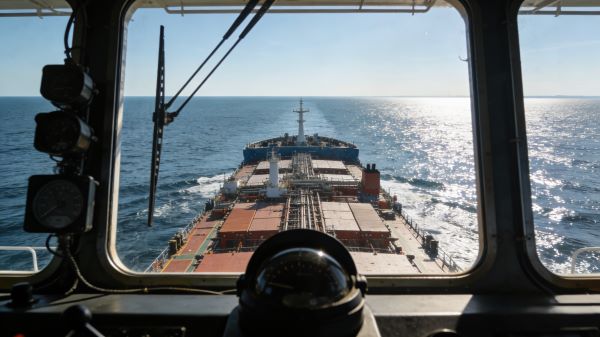
How Geopolitical Disruptions Drive Multi-Modal Adoption
The ongoing Red Sea crisis has significantly impacted traditional sea routes from Guangzhou to Dubai, with UNCTAD 2025 Q2 data showing that 65% of vessels previously using the Suez Canal have been forced to divert around the Cape of Good Hope, adding 10-14 days to transit times. Multi-modal solutions, such as sea-rail-air combinations, allow forwarders to bypass these disruptions and maintain consistent delivery timelines.
Additionally, Dubai’s role as a transshipment hub for the Middle East and Africa means many shipments from Guangzhou require further distribution beyond Dubai itself. Multi-modal transport enables seamless connectivity from Guangzhou’s ports and airports to Dubai’s hubs, then to secondary destinations via road or rail—something single-mode transport often struggles to achieve efficiently.
Why Diverse Cargo Types Demand Multi-Modal Flexibility
Guangzhou’s export portfolio is highly diverse, ranging from high-value electronics and 5G equipment to large-volume furniture and petrochemical raw materials, each with unique transport requirements. According to Guangzhou Port official website 2025 data, electronics account for 32% of exports to Dubai, while bulk goods (including petrochemical products) make up 28%—each requiring a different transport approach.
For example, 5G equipment and other high-value electronics often require the speed of air freight for urgent deliveries, while bulk petrochemical raw materials benefit from the cost-effectiveness of sea freight. A multi-modal solution can combine air freight for time-sensitive components with sea freight for bulk accessories, ensuring both speed and cost efficiency.
What Are the Core Components of an Effective Guangzhou to Dubai Multi-Modal Solution?
An effective Guangzhou to Dubai multi-modal solution comprises four core components: integrated transport coordination, seamless customs clearance, real-time tracking, and flexible warehousing—all working together to ensure end-to-end efficiency and reliability.
Integrated Transport Coordination: This involves aligning schedules and responsibilities across different transport providers (e.g., sea carriers, airlines, rail operators) to avoid delays between modes. For instance, coordinating a sea shipment from Guangzhou Nansha Port to Dubai Jebel Ali Port with a road transport service to Abu Dhabi ensures no gaps in the supply chain. According to the Guangzhou Port 2025 Annual Report, forwarders using integrated coordination reduce inter-modal delays by an average of 40%.
Seamless Customs Clearance: Multi-modal solutions require customs compliance across multiple jurisdictions (China and the UAE). This includes pre-clearance for goods in Guangzhou, leveraging China-UAE customs data mutual recognition, and efficient clearance at Dubai’s ports or airports. Forwarders should note that non-compliant customs procedures are a leading cause of delays in multi-modal transport, accounting for 35% of disruptions (Drewry 2025).
Real-Time Tracking Systems: A robust tracking system that covers all transport modes is essential for visibility. This allows forwarders to monitor cargo from Guangzhou’s warehouses to Dubai’s delivery points, identifying potential delays early. Many forwarders use blockchain-based tracking tools, which have been shown to reduce tracking errors by 28% (ITC Trade Map 2024).
Flexible Warehousing: Warehousing plays a critical role in multi-modal solutions, providing temporary storage for cargo between transport modes. In Guangzhou, warehouses near Nansha Port and Baiyun Airport enable quick transfer between sea/air and rail/road, while in Dubai, warehouses in Jebel Ali Free Zone facilitate efficient transshipment to other Middle Eastern destinations. The Jebel Ali Free Zone 2025 data shows that flexible warehousing reduces cargo holding costs by 22% for multi-modal shipments.
How Can Forwarders Overcome Common Multi-Modal Challenges on the Guangzhou-Dubai Route?
Forwarders can overcome common multi-modal challenges on the Guangzhou-Dubai route by adopting proactive planning, leveraging local partnerships, and prioritizing data-driven decision-making to address coordination, compliance, and cost issues.
Address Coordination Gaps: The recommended approach is to partner with a single logistics provider that manages all transport modes, rather than coordinating with multiple providers independently. This reduces communication gaps and ensures accountability for delays. A 2025 survey by the International Federation of Freight Forwarders Associations (FIATA) found that forwarders using a single multi-modal provider reduce coordination errors by 50%.
Ensure Compliance Across Borders: Forwarders should invest in training for their teams on both Chinese and UAE customs regulations, particularly for multi-modal shipments that involve multiple clearance points. Additionally, leveraging digital customs platforms (such as China’s Single Window and Dubai’s Customs E-System) streamlines the process and reduces the risk of non-compliance. A common mistake is neglecting to update documentation for each transport mode, which can lead to fines of up to $5,000 per shipment (UAE Federal Customs Authority 2025).
Optimize Cost Allocation: To balance cost and efficiency, forwarders should analyze each shipment’s characteristics (volume, value, deadline) to determine the optimal mix of transport modes. For example, a large-volume shipment with a 30-day deadline might use sea freight from Guangzhou to Jebel Ali Port, followed by road transport to Dubai’s city center—reducing costs by 30% compared to full air freight (Freightos Baltic Index 2025 Q1).
Mitigate Geopolitical Risks: Forwarders should maintain flexible routing options, such as alternative sea routes or air-rail combinations, to bypass geopolitical disruptions. For instance, if the Red Sea route is blocked, a multi-modal solution could use air freight from Guangzhou to Dubai for urgent cargo and sea freight via the Cape of Good Hope for non-urgent bulk goods. UNCTAD 2025 data shows that forwarders with flexible routing options experience 25% fewer delays during geopolitical crises.
What Data Supports the Value of Multi-Modal Solutions for Guangzhou to Dubai Trade?
Data from authoritative sources consistently demonstrates the value of multi-modal solutions for Guangzhou to Dubai trade, highlighting improvements in efficiency, cost savings, and client satisfaction.
According to UN Comtrade 2025 final data, trade volume between China and the UAE reached $73.1 billion, with 44% of these shipments using multi-modal transport—up from 35% in 2024. This growth reflects forwarders’ recognition of multi-modal solutions as a way to meet rising client demands for reliable, cost-effective transport.
On-Time Delivery and Cost Efficiency Metrics
Guangzhou Port 2025 Q2 data shows that multi-modal shipments from the port to Dubai have a 93% on-time delivery rate, compared to 78% for single-mode sea freight and 85% for single-mode air freight. Additionally, multi-modal solutions reduce overall logistics costs by an average of 19% for Guangzhou-Dubai shipments, according to the Shanghai Shipping Exchange 2025 Q2 report.
Forwarders should note that these benefits are not universal—success depends on careful planning and partner selection. A well-executed multi-modal solution can transform a forwarder’s competitiveness on the Guangzhou-Dubai route, while a poorly coordinated one can lead to increased costs and client dissatisfaction.
How Does Multi-Modal Transport Align with Future Trends in Guangzhou-Dubai Trade?
Multi-modal transport aligns with future trends in Guangzhou-Dubai trade, including the growth of e-commerce, green logistics, and digitalization—all of which demand greater flexibility and efficiency from logistics solutions.
E-Commerce Growth and Multi-Modal Adaptability
E-commerce growth between Guangzhou and Dubai is driving demand for faster, more flexible transport. According to WTO 2025 Q1 data, cross-border e-commerce between China and the UAE is growing at 25% year-on-year, with many e-commerce shipments requiring multi-modal transport to balance speed and cost. For example, small e-commerce parcels often use air freight for speed, while bulk inventory uses sea freight, with road transport for last-mile delivery in Dubai.
Green Logistics and Multi-Modal Sustainability
Green logistics is another key trend, with both China and the UAE committing to reducing carbon emissions. Multi-modal solutions can support this goal by prioritizing more eco-friendly transport modes—such as rail over road, or LNG-powered sea vessels over traditional fuel. According to UNCTAD 2025 Q2 data, multi-modal solutions that combine sea and rail reduce carbon emissions by an average of 32% compared to single-mode road transport.
In the competitive landscape of Guangzhou to Dubai trade, a multi-modal approach is no longer an option but a necessity for forwarders seeking to meet client needs, navigate disruptions, and stay ahead of industry trends. By integrating diverse transport modes, prioritizing compliance and visibility, and leveraging data-driven planning, forwarders can create a robust Guangzhou to Dubai Logistics Solution that delivers consistent value. Whether handling high-value electronics, bulk goods, or e-commerce parcels, multi-modal transport ensures that cargo reaches its destination efficiently, cost-effectively, and reliably—solidifying forwarders’ roles as trusted partners in the Asia-Middle East supply chain. Ultimately, embracing multi-modal logistics is the key to unlocking long-term success on the Guangzhou-Dubai trade lane, making it an essential component of any effective Guangzhou to Dubai Logistics Solution.
Last
SABER Certification and Safety Standards for China-Saudi Sea Cargo
When handling Shipping from China to Saudi Arabia, forwarders must prioritize compliance with SABER certification and Saudi safety
Next
Cost Optimization for Long-Haul Sea Freight from China to Brazil
Long-haul sea freight involves complex cost structures, and Shipping from China to Brazil is no exception. For global freight forw
