How Sea Freight from China to Mexico is Driving Nearshoring Trends
Freight Area
 7-May-2026
In recent years, nearshoring has emerged as a transformative trend in global supply chains, and Shipping from China to Mexico has become a key enabler, bridging production needs in North America with manufacturing capabilities in China.
What is Nearshoring, and Why is it Gaining Traction in Global Supply Chains?
Nearshoring refers to the practice of relocating production or supply chain operations closer to the end market to reduce risks and improve efficiency. It has gained traction due to geopolitical tensions, supply chain disruptions, and the need for faster delivery times.
Key Data on Nearshoring Momentum
According to Kearney’s 2026 Reshoring Index, while the overall index remains negative at -86, there are promising signs of nearshoring as most product categories show small but meaningful upticks in regional production shifts. This shift is particularly evident in North America, where many companies are moving operations to Mexico to be closer to the U.S. market, a trend heavily supported by Shipping from China to Mexico.
Nearshoring vs. Offshoring and Reshoring
Forwarders should note that nearshoring differs from offshoring in its focus on proximity, which reduces transit times and logistics costs, while still leveraging cost-effective manufacturing. Unlike reshoring, which brings operations back to the home country, nearshoring uses neighboring or regional countries, making Mexico an ideal choice for U.S.-bound goods—and China’s role in supplying intermediate goods via sea freight is critical to this model.
How Does Shipping from China to Mexico Support Nearshoring Activities?
Shipping from China to Mexico supports nearshoring by supplying Mexican manufacturing facilities with essential raw materials, components, and intermediate goods, enabling efficient production for North American markets.
Sino-Mexican Trade and Production Cooperation
Since the 2018 U.S.-China trade friction, many Chinese manufacturing enterprises have accelerated the transfer of production links to Mexico, shifting the Sino-Mexican economic relationship from pure trade to in-depth capacity cooperation, according to the China Council for the Promotion of International Trade (CCPIT) 2026 data. This cooperation relies heavily on reliable sea freight routes to move goods between China and Mexico.
Sea Freight’s Dominance in Bilateral Trade
UNCTAD 2026 data (updated Q1 2026) shows that sea freight accounts for 91% of the total trade volume between China and Mexico, with containerized cargo making up 69% of these shipments. Most of these containers carry intermediate goods—such as electronics components, auto parts, and textile materials—that Mexican factories assemble into finished products for export to the U.S. and other North American markets.
Debunking the “Replacement” Myth
A common mistake is assuming that nearshoring replaces Chinese manufacturing entirely, but in reality, Shipping from China to Mexico complements nearshoring by providing the high-quality, cost-effective inputs that Mexican assembly plants need. This symbiotic relationship allows companies to balance proximity to end markets with access to China’s manufacturing expertise.
What Data Highlights the Link Between China-Mexico Sea Freight and Nearshoring?
Several key data points illustrate how Shipping from China to Mexico is fueling nearshoring, including trade volume growth, port activity increases, and shifts in cargo types.
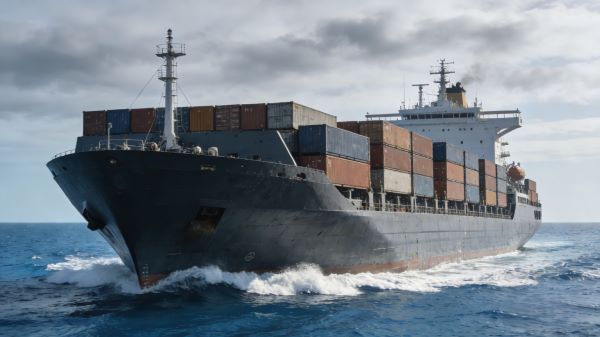
Bilateral Trade Volume Growth
According to UN Comtrade 2026 data (Q1 2026 release), bilateral trade between China and Mexico reached $94.2 billion in 2025, a 13.5% increase from 2024, with intermediate goods accounting for 61% of China’s exports to Mexico. This growth directly aligns with the rise in nearshoring, as Mexican factories require more Chinese inputs to meet increased production demands.
Mexican Port Activity Surge
Mexico’s major ports have also seen a surge in activity related to Chinese imports. The Port of Manzanillo, Mexico’s busiest container port, reported a 21.3% increase in Chinese container imports in 2025, according to the Port of Manzanillo 2026 Annual Report (released March 2026). Much of this cargo is destined for manufacturing hubs in central Mexico, such as Guanajuato and Jalisco, which are popular nearshoring locations.
Sea Freight Rate Competitiveness
Freightos Baltic Index (FBX) 2026 data (Q1 2026) shows that average sea freight rates from China to Mexico decreased by 7.8% between 2024 and 2025, making Shipping from China to Mexico more cost-competitive and accessible for small and medium-sized forwarders supporting nearshoring clients. This rate stability has further encouraged companies to adopt nearshoring models that rely on Chinese inputs.
What Role Do Forwarders Play in Connecting China-Mexico Sea Freight to Nearshoring?
Forwarders play a pivotal role in facilitating the link between Shipping from China to Mexico and nearshoring, acting as intermediaries that ensure timely, reliable delivery of goods to Mexican manufacturing facilities.
Unique Logistics Needs of Nearshoring Clients
Forwarders should note that nearshoring clients have unique logistics needs, including tight delivery windows, flexible routing, and end-to-end visibility. Unlike traditional offshoring models, nearshoring requires faster transit times to support just-in-time (JIT) manufacturing, which means forwarders must prioritize direct sea routes and efficient customs clearance.
Forwarder Service Expansion in Mexico
Many forwarders are expanding their services in Mexico to meet these needs, including establishing local offices, partnering with Mexican customs brokers, and offering integrated logistics solutions that combine sea freight from China with inland transportation to manufacturing hubs. This integrated approach helps reduce delays and ensure that Chinese inputs arrive when Mexican factories need them.
Recommended Carrier Partnership Strategies
The recommended approach for forwarders is to build strong partnerships with carriers that offer direct routes from major Chinese ports (Shanghai, Ningbo, Shenzhen) to Mexican ports (Manzanillo, Veracruz). Direct routes, which typically take 17-21 days, are often used by forwarders to support nearshoring clients, as they avoid transshipment delays that can disrupt production schedules.
What Challenges Do Forwarders Face in Supporting Nearshoring via China-Mexico Sea Freight, and How to Address Them?
Forwarders supporting nearshoring via Shipping from China to Mexico face challenges such as customs complexity, infrastructure constraints, and coordination with inland logistics, but proactive planning can mitigate these issues.
Customs Clearance Complexity: Mexico has specific customs requirements for intermediate goods, and incomplete documentation is a common cause of delays. According to Mexico’s Tax Administration Service (SAT) 2026 data (Q1 2026), 43% of customs delays for Chinese imports are due to missing or inaccurate paperwork. Forwarders should work with experienced local customs brokers to ensure compliance with Mexican customs regulations and streamline the clearance process.
Port and Inland Infrastructure Constraints: Some Mexican ports, particularly Veracruz, face congestion during peak seasons, and inland transportation networks to manufacturing hubs can be unreliable. The recommended approach is to diversify port usage—using both Manzanillo and Lazaro Cardenas—and partner with local trucking and rail companies to ensure timely delivery from ports to factories.
Supply Chain Visibility Gaps: Nearshoring clients require real-time visibility into cargo status to manage production schedules. Forwarders should invest in advanced tracking technologies that provide end-to-end visibility, from Chinese factories to Mexican manufacturing facilities, allowing clients to anticipate delays and adjust production plans accordingly.
Geopolitical and Regulatory Uncertainty: Changes in trade policies between China, Mexico, and the U.S. can impact Shipping from China to Mexico. Forwarders should stay updated on regulatory changes and work with clients to develop contingency plans, such as alternative routes or suppliers, to mitigate risks.
A common mistake is underestimating the importance of local expertise in Mexico. Forwarders that lack local partnerships often struggle with customs delays and inland transportation issues, which can undermine the benefits of nearshoring for their clients. Investing in local resources and relationships is key to overcoming these challenges.
How Can Forwarders Optimize Their Services for Nearshoring Clients Using China-Mexico Sea Freight?
Optimizing services for nearshoring clients requires forwarders to focus on speed, reliability, and integration, aligning their offerings with the unique needs of nearshoring supply chains.
Prioritize Direct Sea Routes: Direct routes from China to Mexico reduce transit times and minimize the risk of delays. Forwarders should partner with carriers like COSCO, MSC, and Hapag-Lloyd that offer weekly direct services from major Chinese ports to Mexican ports, ensuring consistent sailings for nearshoring clients.
Offer Integrated Logistics Solutions: Combine sea freight with inland transportation, bonded warehousing, and customs clearance to provide end-to-end service. This integration reduces the burden on clients and ensures a seamless flow of goods from China to Mexican manufacturing facilities.
Invest in Real-Time Tracking: Implement tracking systems that provide clients with real-time updates on cargo location and status, including milestones such as port arrival, customs clearance, and inland delivery. This visibility helps clients manage production schedules and respond proactively to potential delays.
Build Local Partnerships: Partner with Mexican customs brokers, licensed trucking companies, and bonded warehouses to improve local logistics efficiency. Local partners can navigate regulatory requirements and infrastructure challenges more effectively than external entities, reducing overall transit times.
Provide Consultative Support: Advise clients on the best shipping strategies for their nearshoring needs, including cargo consolidation, routing options, and compliance requirements for Mexican customs. Forwarders that act as trusted advisors are more likely to retain nearshoring clients and expand their service offerings.
In conclusion, Shipping from China to Mexico is a critical driver of nearshoring trends, providing the essential link between China’s manufacturing capabilities and Mexico’s role as a regional production hub for North America. As nearshoring continues to grow, forwarders that adapt their services to meet the unique needs of this trend—prioritizing speed, reliability, and integration—will be well-positioned to succeed. By understanding the symbiotic relationship between China-Mexico sea freight and nearshoring, addressing key challenges, and optimizing their service offerings, forwarders can support their clients’ nearshoring goals and capitalize on the opportunities presented by this transformative supply chain shift. Ultimately, Shipping from China to Mexico will remain a cornerstone of nearshoring strategies for years to come, connecting global manufacturing with regional markets in a more efficient, resilient way.
Last
Analyzing Transit Times for Sea Shipments from Shenzhen to Singapore
For global freight forwarders, understanding transit times for Shipping from Shenzhen to Singapore is critical to meeting client e
Next
Mitigating Port Congestion: Protecting FCL Transit Time Between Ningbo and the UK
For global freight forwarders, mitigating port congestion is critical to protecting the Transit Time for FCL from Ningbo to UK, as
