Regulatory Updates for Cargo Arriving in the UAE from China via Sea
Freight Area
 7-May-2026
For global freight forwarders managing Shipping from China to UAE, staying updated on the latest regulatory changes is critical to ensuring smooth cargo clearance, avoiding costly delays, and maintaining compliance. The UAE’s customs and trade regulations evolve regularly, and recent updates directly impact how forwarders handle sea cargo from China.
What Are the Key Regulatory Bodies Governing UAE Sea Cargo Imports?
The key regulatory bodies overseeing sea cargo imports into the UAE from China include federal and emirate-level authorities, each with distinct responsibilities for customs compliance, security, and standardization. These bodies set and enforce the rules that forwarders must follow.
Federal-Level Regulatory Authority: ICP
At the federal level, the Federal Authority for Identity, Citizenship, Customs and Port Security (ICP) establishes national customs policies, combats smuggling, and oversees customs data management. According to ICP 2026 (Q1) data, the authority processed over 13.2 million sea cargo consignments in 2025, with 41% originating from China. Each emirate also has its own customs authority, such as Dubai Customs and Abu Dhabi Customs, which manage clearances at local ports.
Emirate-Level Customs and ESMA’s Role
Forwarders should note that emirate-specific regulations may supplement federal rules, creating variations in clearance procedures between ports like Jebel Ali (Dubai) and Khalifa Port (Abu Dhabi). For example, Dubai Customs has implemented stricter documentation checks for high-value electronics, a common cargo type in Shipping from China to UAE.
Another key body is the Emirates Authority for Standardization and Metrology (ESMA), which sets product safety standards for imported goods. ESMA updates its regulations annually, and non-compliant cargo may be detained or returned, resulting in significant losses for forwarders and their clients.
What Are the 2025-2026 Regulatory Updates Affecting Sea Cargo from China to the UAE?
The 2025-2026 regulatory updates for sea cargo arriving in the UAE from China focus on digitalization, tariff classification, documentation, and product safety, aiming to streamline clearance and enhance security. These changes require forwarders to adjust their workflows to remain compliant.
Mandatory 12-Digit HS Code Implementation
Effective January 2025, the UAE adopted the GCC Integrated Customs Tariff, which mandates the use of 12-digit Harmonized System (HS) codes for all imported sea cargo, including shipments from China. This replaces the previous 8-digit code system to align with global standards.
According to Dubai Customs 2026 (Q1) data, incorrect HS classification was the leading cause of clearance delays in 2025, accounting for 45% of detained consignments from China. A common mistake is using outdated 8-digit codes, which can result in fines of up to AED 10,000 (approximately $2,720) per consignment.
The recommended approach is for forwarders to verify HS codes using the ICP’s official online portal before submitting declarations. This step helps ensure accuracy and reduces the risk of delays, especially for complex cargo like electronics and machinery, which are frequently shipped via Shipping from China to UAE.
Digital Customs Declaration Updates
In August 2024, the UAE launched an updated version of the Mirsal 2 customs declaration system, which introduced QR code verification for all sea cargo declarations from China. This system aims to improve transparency and reduce document fraud.
Forwarders should note that all declarations must now include a QR code linked to the original shipping documents, including the bill of lading, commercial invoice, and packing list. According to ICP 2026 (Q1) data, the new system has reduced declaration errors by 38% and shortened average clearance time by 20 hours for cargo from China.
Additionally, the system requires real-time submission of cargo details, including weight, volume, and product descriptions, before the vessel arrives at UAE ports. Failure to comply can result in the cargo being denied entry, leading to additional storage and demurrage fees.
Simplified MOFA Invoice Attestation
Starting August 2025, the UAE simplified the Ministry of Foreign Affairs (MOFA) invoice attestation process for sea cargo from China, reducing the time required to complete the process from 5 working days to 2 working days. This update addresses a longstanding pain point for forwarders.
According to Kayrouz & Associates 2026 (Q1) data, invoice attestation delays previously caused 29% of clearance holdups for China-UAE sea cargo. The simplified process allows forwarders to submit attestation requests online, eliminating the need for in-person visits to MOFA offices.
Forwarders should leverage this update by integrating online attestation into their pre-shipping workflows, ensuring that all commercial invoices are attested before the cargo departs Chinese ports. This proactive step helps avoid last-minute delays and ensures compliance with UAE regulations.
What Documentation Updates Are Required for Sea Cargo from China to the UAE?
Documentation requirements for sea cargo arriving in the UAE from China have been updated in 2025-2026, with a focus on accuracy, completeness, and digital verification. Forwarders must ensure all required documents meet the new standards to avoid clearance issues.
Commercial Invoice: The invoice must include the 12-digit HS code for each product, a detailed description of the cargo, the country of origin (China), and the CIF value (cost, insurance, and freight). According to Abu Dhabi Customs 2026 (Q1) guidelines, invoices missing any of these details will be rejected.
Packing List: The packing list must include itemized details of each package, including weight, volume, and content. For consolidated cargo (LCL), a detailed breakdown of each shipper’s goods is required, as Dubai Customs 2026 (Q1) data shows that incomplete packing lists account for 21% of LCL clearance delays.
Certificate of Origin: A valid certificate of origin (COO) issued by the China Council for the Promotion of International Trade (CCPIT) is mandatory for most cargo. Forwarders should note that the COO must be attested by the UAE Embassy in China or via the MOFA online system to be accepted.
Bill of Lading: The bill of lading must be issued in English, include the vessel name, port of loading (Chinese port), port of discharge (UAE port), and the consignee’s full details. Electronic bills of lading (eBLs) are now accepted by all UAE ports, and their use is encouraged to speed up clearance.
Product-Specific Certificates: Certain goods require additional certificates, such as GCC certification for electronics, Halal certification for food products, and MSDS (Material Safety Data Sheet) for chemicals. A common mistake is failing to obtain these certificates in advance, leading to cargo detention.
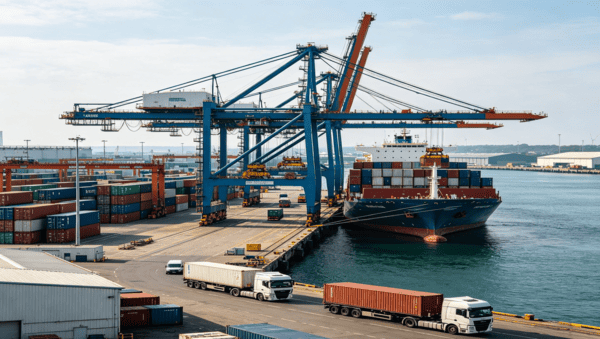
How Do Prohibited and Restricted Goods Regulations Impact Shipping from China to the UAE?
The UAE’s regulations on prohibited and restricted goods have been updated in 2025, with new items added to the prohibited list and stricter controls on restricted goods. Forwarders must carefully screen cargo from China to avoid shipping non-compliant items.
Prohibited Goods: Key Updates and Risks
According to Dubai Customs 2026 (Q1) data, 17% of detained sea cargo from China in 2025 contained prohibited or restricted items, resulting in fines and cargo seizure. Prohibited items include used or reconditioned tires, live swine, nylon fishing nets, counterfeit goods, and items that contradict Islamic faith and public morals.
Restricted Goods: Approval Requirements
Restricted goods require prior approval from the relevant UAE authority before shipment. Examples include pharmaceuticals (approved by the Ministry of Health and Prevention), firearms (approved by the Ministry of Defence), and rough diamonds (approved by the UAE Kimberley Process Office). Forwarders should note that failure to obtain approval for restricted goods can result in the cargo being confiscated and additional legal penalties.
The recommended approach is for forwarders to implement a pre-screening process for all cargo from China, verifying that no prohibited items are included and that restricted items have the necessary approvals. This process can be streamlined by working with local UAE partners who are familiar with the latest regulations.
What Are the Penalties for Non-Compliance with UAE Sea Cargo Regulations?
Non-compliance with UAE sea cargo regulations can result in significant penalties for forwarders, including fines, cargo detention, and suspension of customs clearance privileges. Understanding these penalties is essential for mitigating risk when managing Shipping from China to UAE.
Fines: Fines vary based on the violation, ranging from AED 5,000 ($1,360) for minor documentation errors to AED 50,000 ($13,600) for shipping prohibited items. According to ICP 2026 (Q1) data, the average fine for non-compliant cargo from China was AED 13,500 ($3,680) in 2025.
Cargo Detention: Detained cargo incurs daily storage fees, which can range from AED 100 ($27) to AED 500 ($136) per container, depending on the port. A common mistake is failing to address detention issues promptly, leading to accumulated fees that exceed the value of the cargo.
Suspension of Privileges: Repeat violations can result in the suspension of a forwarder’s customs clearance privileges for 30-90 days. According to Dubai Customs 2026 (Q1) records, 9% of forwarders handling China-UAE sea cargo had their privileges suspended in 2025 due to repeated non-compliance.
Legal Action: In severe cases, such as shipping illegal goods or fraudulent documentation, forwarders may face legal action, including criminal charges and fines. This can damage a forwarder’s reputation and limit their ability to operate in the UAE market.
How Can Forwarders Adapt to the Latest UAE Regulatory Updates?
Forwarders can adapt to the latest UAE regulatory updates by implementing proactive measures, leveraging technology, and building local partnerships. These steps help ensure compliance, reduce delays, and maintain a competitive edge in managing Shipping from China to UAE.
Invest in Regulatory Training: The recommended approach is to provide regular training for staff on UAE regulatory updates, including HS code classification, documentation requirements, and prohibited/restricted goods. This training can be delivered by local UAE customs experts or industry associations.
Use Digital Tools for Compliance: Forwarders should adopt digital tools that automate HS code verification, document checks, and declaration submission. Many software solutions integrate with the Mirsal 2 system, reducing the risk of human error and streamlining compliance workflows.
Build Partnerships with Local UAE Agents: Collaborating with local UAE customs agents can help forwarders navigate emirate-specific regulations and resolve clearance issues quickly. Local agents have up-to-date knowledge of regulatory changes and can provide guidance on compliance best practices.
Implement Pre-Shipment Inspections: Conducting pre-shipment inspections for cargo from China helps identify potential compliance issues before the cargo departs. This includes verifying documentation, screening for prohibited items, and ensuring HS codes are accurate.
Monitor Regulatory Changes Proactively: Forwarders should subscribe to updates from the ICP, Dubai Customs, and ESMA to stay informed about new regulations. This proactive approach allows forwarders to adjust their workflows in advance and avoid last-minute delays.
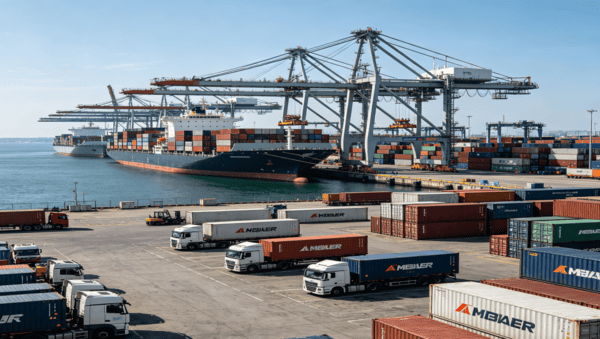
What Future Regulatory Changes Are Expected for China-UAE Sea Cargo?
Future regulatory changes for sea cargo arriving in the UAE from China are expected to focus on further digitalization, sustainability, and enhanced security. These changes will continue to shape how forwarders operate and manage compliance.
Fully Digital Customs Clearance by 2027
According to UNCTAD 2026 (Q1) projections, the UAE is planning to implement a fully digital customs clearance system by 2027, which will eliminate paper documentation and enable real-time tracking of cargo from China. This system will integrate with Chinese port systems, creating a seamless cross-border logistics experience.
Upcoming Sustainability Regulations
Additionally, the UAE is expected to introduce new sustainability regulations for sea cargo by 2028, including requirements for carbon emissions reporting and eco-friendly packaging. Forwarders should note that these regulations will impact cargo from China, especially for industries with high carbon footprints, such as manufacturing and construction.
The recommended approach is for forwarders to start preparing for these changes now, by investing in digital tools and sustainable practices. This will help forwarders stay compliant and meet the evolving needs of their clients when managing Shipping from China to UAE.
In conclusion, the latest regulatory updates for cargo arriving in the UAE from China via sea require forwarders to prioritize compliance, accuracy, and proactive planning. By understanding the key regulatory bodies, documentation requirements, and penalties for non-compliance, forwarders can avoid costly delays and maintain a competitive edge. Adapting to these updates is essential for successfully managing Shipping from China to UAE and building long-term trust with clients in the global freight forwarding industry.
Last
A Deep Dive into FCL vs LCL for China-UAE Ocean Freight
When managing Shipping from China to UAE, freight forwarders frequently face the decision of choosing Full Container Load (FCL) or
Next
The Strategic Value of Direct Sea Routes from China to the UAE
In the global freight forwarding industry, shipping from China to the UAE via direct sea routes has become an increasingly critica
