Securing Flat Rack and Open Top Containers for Qingdao-Vancouver Sea Freight
Freight Area
 7-May-2026
Shipping from Qingdao to Vancouver for out-of-gauge, over-dimensional and heavy-lift project cargo depends entirely on reliable flat rack and open top container equipment allocation, making advanced special equipment booking a core operational task for global freight forwarders.
What core functions do flat rack and open top containers serve in Trans-Pacific trade?
Flat rack and open top units are specialized container types engineered to carry heavy and over-dimensional cargo that cannot be accommodated within standard general-purpose dry container internal dimensions.
What structural features define standard flat rack containers?
Flat rack containers come without side walls and fixed roofs, equipped with reinforced end castings and high-strength base flooring to support heavy payloads and secure maritime cargo lashing arrangements.
This special container type is widely deployed for transporting large construction machinery, fabricated steel structures, heavy vehicles and industrial mechanical parts after shipping from Qingdao to Vancouver. Its open-side structure enables flexible sideways loading and robust cargo securing for overweight commodity units.
What operational advantages do open top containers deliver?
Open top containers feature rigid steel side panels and a removable tarpaulin roof, allowing overhead crane loading while maintaining basic weather protection during deep-sea container transit.
According to UNCTAD 2025 Review of Maritime Transport official statistics, Trans-Pacific special container cargo volumes for industrial and infrastructure shipments have maintained stable year-on-year growth amid continuous China-Canada project trade cooperation.
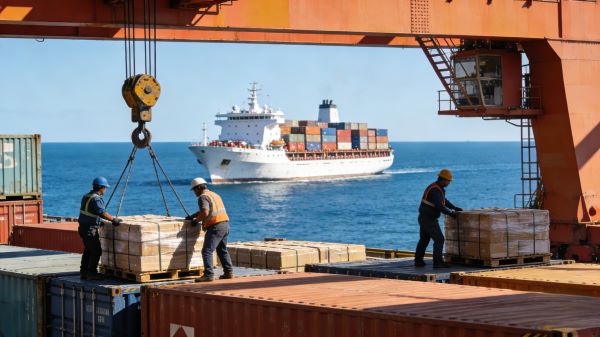
Why are special container resources tighter than standard dry containers on this trade lane?
Special container manufacturing lead times, empty container repositioning expenditures and carrier capacity allocation policies together create sustained equipment scarcity for westbound Qingdao to Vancouver liner services.
How do carriers prioritize different container equipment types?
Ocean liner carriers prioritize the deployment of standard dry containers for mainstream retail and general commodity cargo, with flat rack and open top containers only allocated as supplementary equipment with limited per-vessel quantity.
According to Drewry 2025 Global Special Container Equipment Supply Report, overall special container availability remains constrained throughout 2025, with Trans-Pacific westbound lanes holding lower equipment inventory compared with eastbound backhaul routes.
Why does empty repositioning limit special container stock levels?
Flat rack and open top containers cannot be stacked and stored in the same efficient manner as standard units, resulting in high empty repositioning costs and reducing carrier willingness to maintain large idle equipment inventory at Qingdao Port.
Forwarders should note that special container shortages become more pronounced during the Q3 North American retail and construction peak season, requiring forwarders to extend booking lead times well beyond standard container scheduling cycles.
Which cargo commodities require flat rack and open top container shipping to Vancouver?
Multiple industrial export cargoes originating from northern Chinese manufacturing hubs exceed standard container dimensional and weight limits, requiring dedicated special container transportation arrangements.
Construction and engineering machinery cargoes: Excavators, loaders and road engineering equipment feature oversized dimensions and heavy deadweight, requiring flat rack platforms and professional maritime lashing and securing for ocean transit.
Fabricated steel and industrial pipeline shipments: Long steel beams, industrial pipelines and large metal structural components cannot fit standard container door openings, requiring open top containers for overhead crane loading operations.
Renewable energy and power transmission equipment: Wind power components, distribution transformers and electrical substation equipment are classified as out-of-gauge cargo, requiring special container booking for shipping from Qingdao to Vancouver.
Non-standard vehicles and mobile machinery units: Specialized commercial vehicles and mobile engineering equipment require flat rack placement and reinforced securing due to irregular shapes and excessive weight parameters.
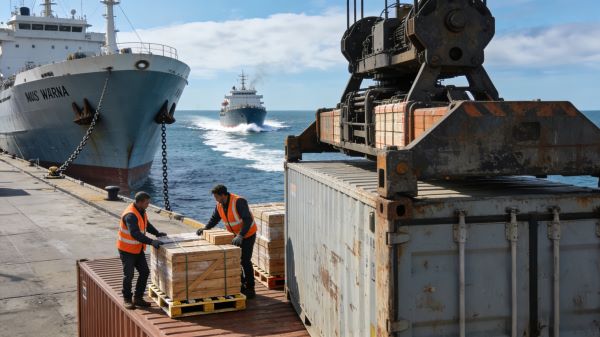
What frequent booking errors cause special container space rejection?
Many freight forwarders apply general dry container booking workflows to special container shipments, leading to space denial, equipment unavailability and terminal loading postponements.
Delaying special container pre-booking submissions: Treating OOG cargo booking the same as general freight reduces carrier preparation time and increases the risk of space allocation rejection during high-demand periods.
Submitting inaccurate cargo dimension and weight data: Incorrect out-of-gauge parameter declarations lead to improper container type assignment and on-site loading failures at Qingdao container terminal.
Omitting terminal special handling and crane reservations: Failure to book terminal crane slots and professional handling services results in loading suspension and additional demurrage and detention charges.
A common mistake is ignoring the separate internal approval process required by carriers for special container shipments, assuming standard booking procedures and timelines apply equally to heavy-lift and out-of-gauge cargo.
How do seasonal market cycles affect special container equipment availability?
Annual maritime seasonal demand cycles directly impact flat rack and open top container inventory levels, booking difficulty and overall logistics costs for Vancouver-bound special cargo shipments.
What causes tight special container supply in Q1 and Q3?
The pre-Lunar New Year manufacturing shipment rush and Q3 North American retail and construction stocking period create surging special container demand, substantially reducing available special equipment stock at Qingdao Port.
What advantages do off-peak seasons offer for special container booking?
Q2 and Q4 off-peak periods feature adequate special container inventory and flexible carrier allocation policies, providing more stable booking conditions for forwarders arranging non-urgent out-of-gauge cargo shipments.
According to Freightos Baltic Index (FBX) 2025 Special Equipment Lane Freight Data, comprehensive special container shipping expenses rise noticeably during peak seasons due to equipment shortages and increased terminal special handling surcharges.
What reliable tactics help forwarders secure stable special container capacity?
Global freight forwarders need standardized and proactive operational tactics to lock flat rack and open top container space and ensure smooth terminal loading and vessel departure for all out-of-gauge cargo.
Complete special container pre-booking at least one month early: Submit advance space applications and equipment reservations with carriers before seasonal capacity tightening to secure confirmed flat rack or open top container allocation.
Submit precise OOG cargo dimension and gross weight declarations: Provide accurate length, width, height and weight data to carriers and terminals for correct container matching and proper handling plan formulation.
Confirm terminal crane and professional lashing service slots early: Coordinate with Qingdao terminal operators for special loading equipment and professional lashing teams to prevent on-site operational delays.
Align seasonal cost expectations with exporting shippers upfront: Inform Chinese exporters of peak-season special container surcharges and equipment shortage risks to facilitate reasonable production and shipment scheduling.
Maintain multi-carrier special equipment cooperation backup channels: Establish long-term partnerships with multiple mainstream carriers to obtain alternative special container resources during market tightness.
The recommended approach is negotiating long-term special container framework agreements with carriers for recurring out-of-gauge cargo volumes, ensuring priority equipment allocation and stable year-round shipment scheduling.
What measures can reduce extra surcharges for special container shipments?
Standardized document submission, accurate cargo declaration and reasonable shipment timing effectively minimize unnecessary terminal fees, detention costs and carrier special handling surcharges for flat rack and open top container cargo.
How does accurate declaration avoid temporary adjustment fees?
Precise cargo dimension and weight declarations eliminate secondary container type adjustments and last-minute equipment replacement fees caused by incorrect initial cargo data reporting.
How does reasonable booking timing reduce detention and demurrage?
Reasonable booking and delivery scheduling prevent prolonged container idle time, effectively lowering demurrage and detention penalty costs at both Qingdao origin terminal and Vancouver destination terminal.
How does compliant lashing avoid cargo inspection delays?
Professional cargo lashing and packaging that meets carrier and terminal compliance standards prevents reinforcement rectification work and loading inspection delays during vessel stowage operations.
Overall, scientific pre-booking planning, precise cargo declaration and stable carrier partnership management remain the core foundation for forwarders to deliver safe, cost-efficient and punctual shipping from Qingdao to Vancouver using flat rack and open top containers.
Last
Navigating the Long Haul: Predictability in Transit Time for Sea Cargo from Shenzhen to Europe by Sea
Transit Time from Shenzhen to Europe by Sea serves as a critical operational KPI for global freight forwarders overseeing FCL and
Next
Capacity Planning for Ocean Shipments from Qingdao to Vancouver
Shipping from Qingdao to Vancouver depends on scientific container slot allocation and equipment deployment, making data-backed se
