Master AFR Filings for Sea Freight Cargo from Shanghai to Tokyo
Freight Area
 6-May-2026
Shipping from Shanghai to Tokyo represents a vital short-sea containerized tradelane in Northeast Asia, subject to rigorous Japan Customs pre-arrival regulatory compliance protocols. Timely and accurate AFR (Advance Filing Rules) submissions serve as a mandatory prerequisite for cargo loading approval and post-arrival customs clearance for all containerized consignments on this route. According to official Japan Customs 2025 compliance operational statistics, over 98% of containerized sea freight Shipping from Shanghai to Tokyo completes mandatory AFR declaration prior to vessel departure to fulfil pre-sailing security screening and cargo validation formalities.
What does official AFR filing mean for Shanghai to Tokyo ocean freight forwarding operations?
AFR filing is a mandatory pre-arrival electronic manifest declaration scheme enforced by Japan Customs for all inbound maritime cargo destined for Japanese ports. All freight forwarders must submit complete shipment and cargo data no less than 24 hours before vessel departure from Shanghai origin terminals. Forwarders should note that AFR compliance is a legal regulatory requirement, not an optional value-added service, with rigid data formatting and fixed submission timeframes for Shipping from Shanghai to Tokyo shipments.
Why is fully compliant AFR submission indispensable for regional forwarders?
Non-compliant, inaccurate, or late AFR declarations directly result in carrier load rejection, customs administrative penalties, vessel rollovers, and cargo delivery delays that damage forwarder-shipper long-term contractual partnerships. According to UNCTAD 2025 Northeast Asia maritime trade compliance report, high-frequency short-sea lanes to Japan carry intensified documentary compliance scrutiny, making AFR data accuracy a core daily operational priority for local and global forwarding firms.
How does poor AFR compliance trigger extra port and terminal costs?
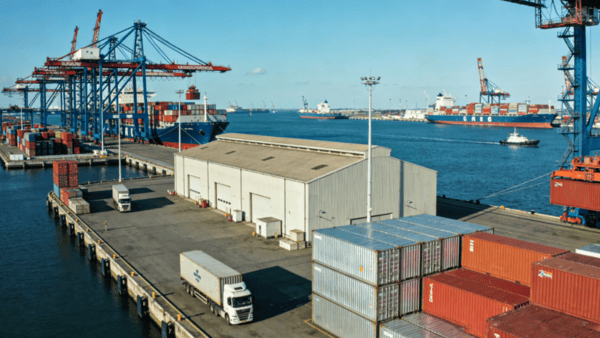
Even minor data discrepancies in submitted AFR documentation can lead to cargo holds at Shanghai loading terminals, extended container dwell time, and additional port storage and detention charges before vessel berthing and departure. These unplanned auxiliary expenses directly erode forwarding profit margins and cause client dissatisfaction with overall logistics service performance.
How does standard AFR filing optimize Tokyo port customs clearance efficiency?
Standardized and error-free AFR data enables Japan Customs to conduct preliminary risk profiling and commodity classification verification during the pre-arrival phase. This proactive assessment reduces physical inspection ratios and accelerates clearance processing after vessels berth at Tokyo Port. This compliance-driven efficiency helps forwarders maintain stable transit lead times and reliable service reputations for clients utilizing Shipping from Shanghai to Tokyo logistics solutions.
What core mandatory data fields must be included in standard AFR filings?
AFR filings for Shipping from Shanghai to Tokyo require a standardized set of shipper, consignee, container, cargo, and voyage data for official Japan Customs pre-arrival security and trade compliance verification. All declared data must achieve full consistency with bills of lading, commercial invoices, and packing lists to avoid automated system rejection. A common mistake is that many operational staff copy repetitive cargo data without conducting cross-document data consistency validation.
Complete legal entity information for all trade stakeholders: Submit full registered company names, official business addresses, and valid contact details for shippers, consignees, and notify parties without abbreviations or simplified naming to meet official data validation standards.
Verified container and security seal core data: Declare accurate container numbers, official bolt seal numbers, total package counts, and verified cargo gross weights matching terminal loading manifests and on-site container stowage records.
Compliant HS code and standardized cargo descriptions: Apply six-digit international standard HS codes, detailed and specific cargo descriptions, and valid dangerous goods declarations for any hazardous consignments complying with IMDG maritime regulations.
Confirmed vessel voyage and sailing schedule details: Include accurate vessel names, valid voyage numbers, planned Shanghai departure schedules, and estimated Tokyo arrival dates for customs pre-arrival planning and risk control management.
What frequent AFR filing mistakes cause Shanghai to Tokyo shipment delays?
Manual data entry oversights and incomplete internal document reviews are the primary causes of AFR submission failures, compliance penalties, and shipment rollovers for forwarders managing Shipping from Shanghai to Tokyo container cargo. Most operational errors are avoidable with standardized internal checking procedures and basic compliance awareness training for junior operational teams.
Data inconsistency between AFR filings and bill of lading data: Mismatched cargo weight, package quantity, or consignee particulars lead to immediate Japan Customs system rejection and mandatory last-minute data revision before cargo loading cutoff.
Overly simplified and non-compliant cargo description wording: Vague general product names fail commodity classification validation, requiring emergency re-filing and compressing pre-departure document preparation lead time for forwarder teams.
AFR submission beyond the official 24-hour regulatory deadline: Delayed final filing due to inefficient internal workflow directly results in carrier loading prohibition and forced rollover to the next available weekly liner voyage.
Inaccurate HS code commodity classification selection: Incorrect HS code allocation triggers customs risk alerts, increases physical inspection probability at Tokyo Port, and extends overall cargo clearance and delivery cycles.
How can forwarders build standardized workflows for error-free AFR compliance?
Building formal internal operational SOPs is the reliable method for forwarders to sustain high AFR filing accuracy for recurring Shipping from Shanghai to Tokyo sea freight operations. Structured workflow management effectively reduces manual input errors and ensures all declaration tasks are completed well ahead of regulatory cutoffs. The recommended approach is to implement a dedicated two-tier AFR review process before official submission to Japan Customs systems.
Implement a formal pre-submission dual-review validation process: Assign two dedicated operational officers to cross-check all AFR data fields and guarantee full alignment with invoices, packing lists, and bill of lading documentation before final filing.
Adopt professional freight management software for automated data syncing: Utilize specialized logistics IT systems to synchronize core shipment data automatically and reduce manual typing errors caused by repeated document data transcription work.
Set internal filing deadlines earlier than official regulatory requirements: Complete all AFR submissions at least 36 hours prior to vessel departure to reserve sufficient time for data correction and re-submission if system errors occur.
Conduct regular team training on updated Japan Customs AFR policies: Organize periodic compliance training sessions to keep operational teams updated on the latest AFR rule adjustments for short-sea container shipments bound for Japanese ports.
How does professional AFR compliance management support forwarder long-term business development?
Systematic and professional AFR filing management stabilizes overall service quality and strengthens long-term client partnership development for forwarders operating Shipping from Shanghai to Tokyo sea freight routes. Solid compliance performance minimizes shipment delay risks and unplanned penalty expenses, improving client satisfaction and market credibility for forwarding enterprises.
Forwarders should note that reliable AFR compliance management acts as a practical service differentiator in the competitive regional forwarding market, rather than merely fulfilling basic regulatory obligations. Regular China-Japan trade shippers consistently cooperate with forwarders maintaining stable error-free AFR filing records to ensure predictable cargo delivery cycles.
In summary, proficient management of standardized AFR filing procedures is an essential core operational capability for all global forwarders supporting Shipping from Shanghai to Tokyo sea freight services. Strict AFR regulatory adherence, effective error avoidance, and standardized internal workflows ensure smooth cargo loading, timely customs clearance, and sustained business growth within the Northeast Asian short-sea freight sector.
Last
Integrating Local Clearance with Shanghai-Tokyo Sea Freight
Shipping from Shanghai to Tokyo is a core short-sea container tradelane supporting frequent bilateral industrial and commercial tr
Next
The Impact of High-Frequency Sea Freight from Shanghai to Tokyo
Shipping from Shanghai to Tokyo functions as a core short-sea maritime trade artery within the Northeast Asian regional supply cha
