Say Goodbye to Red Sea Involvement: From China's Core Ports, Explore More Profitable Differentiated Shipping Services to the UK
Freight Area
 30-Apr-2026
Currently, the shipping market from China to the UK is becoming increasingly competitive, with most freight forwarders trapped in the predicament of "low-price involution" and their profit margins continuously shrinking. To break through the bottleneck and get rid of homogeneous competition, the core lies in leveraging the advantages of China's core ports to explore and create differentiated shipping services, which is also the key path for global freight forwarders to achieve profit growth.
I. The Current Situation of Red Sea Involvement in Shipping from China to the UK: Why Are Freight Forwarders Trapped in a Profit Dilemma?
Shipping from China to the UK is a core logistics channel for China-EU trade, but its market is seriously homogeneous, and low-price competition has become the norm. To achieve profit breakthroughs, freight forwarders must first understand the nature of involution before finding a way out.
According to data from the Q2 2026 Global Shipping Report released by UNCTAD, the shipping volume from China to the UK increased by 9.1% year-on-year, while the average profit margin of the freight forwarding industry dropped from 7.2% in 2024 to 3.5% in Q2 2026. The core reason is that most freight forwarders focus on general cargo transportation, with highly similar service models and a lack of core competitiveness.
Freight forwarders need to note that the current involution in shipping from China to the UK is not "overcapacity" but "service surplus" — the supply of basic services such as general cargo LCL and regular FCL is saturated, while the supply of high-value-added and customized services is insufficient. This also provides an opportunity for freight forwarders to break through through differentiation.
A common misunderstanding is that some freight forwarders believe "only low prices can seize the market" and blindly reduce quotes to attract customers, but they ignore service cost control, eventually falling into a vicious cycle of "low price - low quality - low profit" and even operating at a loss.
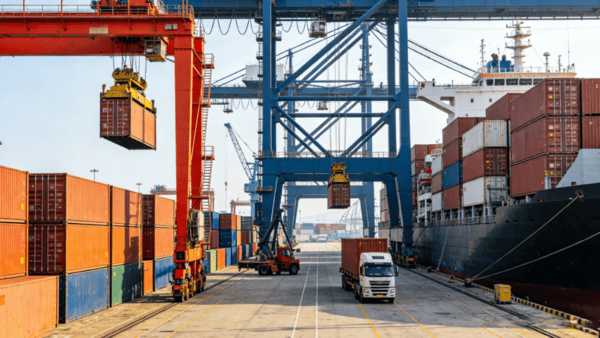
II. The Differentiated Advantages of China's Core Ports: Which Ports Can Support Freight Forwarders in Creating Characteristic Services?
With improved infrastructure, high-quality route resources, and efficient customs clearance efficiency, China's core ports are the core support for freight forwarders to create differentiated shipping services from China to the UK. Different ports have significantly different advantage positions and need to be selected accurately according to the type of goods.
1. Shanghai Port: Outstanding Comprehensive Strength, Suitable for High-End Customized Services
As the world's largest container port, Shanghai Port is the core hub for shipping from China to the UK, with full-category cargo transportation qualifications and a complete value-added service system. According to the latest data from the Shanghai Shipping Exchange in May 2026, the weekly flight density from Shanghai Port to Felixstowe Port and Southampton Port in the UK reaches 30 flights, with a stable direct shipping time of 20-26 days. Its customs clearance efficiency ranks first in the country, with an average customs clearance time of no more than 3.5 hours.
The recommended approach is that freight forwarders can rely on the route advantages of Shanghai Port to create "high-end customized shipping services". For high-value goods (such as precision instruments, luxury goods, and high-end electronic products), they can provide value-added services such as full-process temperature control, dedicated personnel follow-up, fast customs clearance, and cargo traceability. The premium space can reach 15%-20%, which is much higher than that of regular general cargo services.
2. Shenzhen Port: Strong Adaptability to Cross-Border E-Commerce, Suitable for Small Parcel LCL Services
Shenzhen Port is the core port in South China, adjacent to the Pearl River Delta cross-border e-commerce industrial belt, with the advantages of "concentrated goods sources, flexible timeliness, and convenient customs clearance", and it is the core hub for cross-border e-commerce cargo export. According to data from Shenzhen Port's official website in Q2 2026, the throughput of cross-border e-commerce cargo from Shenzhen Port to London Gateway Port in the UK increased by 25.3% year-on-year, making it the core export port for cross-border e-commerce shipping from China to the UK.
Freight forwarders need to note that there is strong demand for small parcel LCL services at Shenzhen Port. Freight forwarders can integrate cross-border e-commerce goods sources in the Pearl River Delta to launch "cross-border e-commerce small parcel LCL dedicated lines", providing "door-to-door" integrated services, including domestic cargo collection, shipping, UK PVA deferred customs clearance, and end-to-end delivery. The profit margin is 8%-12% higher than that of regular LCL.
3. Tianjin Port: Northern Cargo Hub, Suitable for Bulk Cargo Dedicated Line Services
Tianjin Port is the core port in northern China, radiating industrial bases such as the Beijing-Tianjin-Hebei region and the three northeastern provinces. It has abundant sources of bulk cargo (such as mechanical and electrical equipment, textiles, and steel) and complete infrastructure for heavy cargo transportation. According to data from Tianjin Port's official website in May 2026, the annual throughput of the bulk cargo shipping dedicated line from Tianjin Port to Felixstowe Port in the UK reaches 1.28 million TEU, with a stable sailing period of 24-34 days and a space guarantee rate of 99.5%.
The recommended approach is that freight forwarders can rely on the bulk cargo source advantages of Tianjin Port to sign BCO contracts with leading shipping companies such as Maersk and Hapag-Lloyd to lock in space resources and launch "bulk cargo direct dedicated lines". For goods such as mechanical and electrical equipment and textiles, they can provide customized packing, reinforcement, and shipping solutions, reducing transportation costs while increasing profit margins.
III. Differentiated Service Directions for Shipping from China to the UK: 4 Implementable Profit Paths for Freight Forwarders
The core of differentiated services is to "accurately match needs and create additional value". Combined with the advantages of China's core ports and the UK market demand, freight forwarders can focus on the following 4 directions to get rid of low-price involution and improve profit levels.
(1) Special Cargo Specialized Services: Tap High-Value-Added Niche Markets
Special cargo transportation has high thresholds, low competition, and large premium space, which is the core direction for freight forwarders to achieve differentiated profits. It mainly includes three categories: dangerous goods, temperature-controlled goods, and over-sized goods, which need to be carried out by relying on the advantages of corresponding ports.
Dangerous Goods Shipping Services: Relying on the dangerous goods transportation qualifications of Tianjin Port and Shanghai Port, launch dedicated dangerous goods shipping lines from China to the UK, which can carry Class 1-9 dangerous goods (such as lithium batteries UN3480, industrial gases UN1950, flammable liquids UN1263), and provide value-added services such as SDS report review, dangerous goods declaration, full-process monitoring, and maritime declaration. The profit margin can reach 25%-30%. Freight forwarders need to note that they must hold the dangerous goods transportation qualification issued by IMO, strictly follow the IMDG Code 42-24 version specifications, and complete the UK dangerous goods import filing in advance to avoid violation risks.
Temperature-Controlled Cargo Shipping Services: For temperature-controlled goods such as medical reagents, fresh food, and high-end cosmetics, rely on the temperature-controlled container resources of Shanghai Port and Shenzhen Port to provide full-process constant temperature (0-25℃) transportation services, equipped with a Beidou positioning system to monitor temperature and humidity in real time, and issue temperature records to ensure cargo safety. The premium space can reach 20%-25%. According to UNCTAD data in Q2 2026, the demand for temperature-controlled cargo shipping from China to the UK increased by 19.2% year-on-year, with huge market potential.
Over-Sized Cargo Shipping Services: For over-sized goods such as industrial equipment, construction machinery, and large components, rely on the heavy cargo transportation terminal advantages of Tianjin Port to provide customized packing, reinforcement, and shipping solutions, connect with local heavy cargo delivery resources in the UK, and solve the problems of over-sized cargo customs clearance and delivery. The profit margin can reach more than 30%.
(2) Value-Added Supporting Services: Extend the Service Chain and Improve Customer Stickiness
The profit from pure shipping transportation services is limited. Freight forwarders can extend the service chain and provide one-stop value-added supporting services to achieve diversified profits of "shipping + value-added", while improving customer stickiness and reducing the customer churn rate.
Customs Clearance Supporting Services: For complex scenarios such as UK PVA deferred customs clearance, dangerous goods customs clearance, and special goods customs clearance, provide professional customs clearance services, assist customers in preparing customs clearance documents, reviewing qualifications, and handling customs clearance abnormalities, reduce customs clearance risks, and charge customs clearance service fees, which can increase the overall profit by 10%-15%. The recommended approach is to establish in-depth cooperation with local UK customs brokers, be familiar with the latest 2026 HMRC customs clearance specifications, and ensure efficient and compliant customs clearance.
Warehousing and Distribution Services: Layout overseas warehouses near Felixstowe Port and London Gateway Port in the UK, provide cargo warehousing, sorting, labeling, and end-to-end delivery services, and realize "shipping + overseas warehouse + delivery" integrated services. The profit margin can be increased by 12%-18%. According to data from the Freightos Baltic Index in May 2026, the customer repurchase rate for shipping from China to the UK with supporting overseas warehouse services reached 83.5%, which is much higher than that of pure shipping services.
Exchange Rate Locking Services: In response to the large fluctuations in the GBP exchange rate, provide RMB price locking services for customers to resist exchange rate risks (the estimated volatility of GBP against RMB in 2026 is 9.2%), charge a small price locking service fee, and at the same time improve customer satisfaction and enhance customer stickiness.
(3) Cargo Source Segmentation Services: Focus on Vertical Fields and Build Professional Advantages
Freight forwarders can abandon the "full-scale fishing" operation model, focus on a vertical cargo source field, build professional advantages, achieve differentiated competition, improve profit margins, and reduce cargo solicitation costs.
Cross-Border E-Commerce Cargo Source Services: Relying on the cross-border e-commerce cargo source advantages of Shenzhen Port and Shanghai Port, focus on platform sellers such as Amazon, eBay, and Wish, provide "small parcel LCL + overseas warehouse + labeling + return and exchange" integrated services, be familiar with the logistics rules and compliance requirements of cross-border e-commerce platforms, improve service professionalism, and the profit margin can reach 15%-20%.
Bulk Industrial Cargo Source Services: Relying on the bulk cargo advantages of Tianjin Port, focus on industrial cargo sources such as mechanical and electrical equipment, textiles, and steel, establish long-term cooperation with domestic factories, provide customized shipping solutions, cargo reinforcement, and integrated customs declaration and inspection services, lock in stable cargo sources, reduce cargo solicitation costs, and improve profit stability.
Medical Reagent Cargo Source Services: Focus on cargo sources such as medical reagents and medical devices, provide temperature-controlled shipping, compliant customs clearance, full-process traceability, and cold chain delivery services, strictly follow the UK MHRA regulatory requirements and China's medical cold chain transportation specifications, build a professional medical logistics brand, and the premium space can reach 25%-30%.
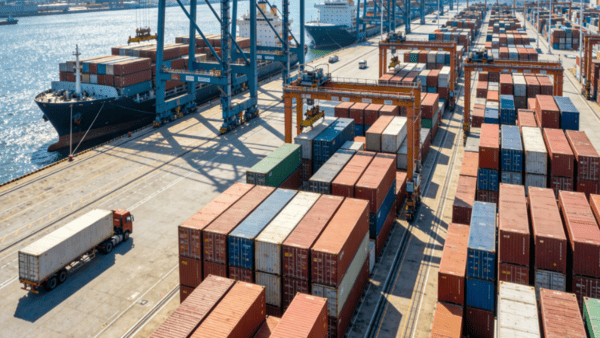
IV. Notes for Freight Forwarders to Create Differentiated Services: Avoid Pitfalls and Achieve Steady Profits
In the process of creating differentiated shipping services from China to the UK, freight forwarders need to avoid common risks and control service quality to achieve steady profits and avoid falling into new predicaments.
1. Qualification Compliance is the Premise, and Illegal Operations are Prohibited
For special services involving dangerous goods, temperature-controlled goods, medical reagents, etc., corresponding transportation qualifications and compliance documents must be available, and Chinese and British regulatory specifications must be strictly followed to avoid cargo detention, fines, and economic losses due to violations. Freight forwarders need to note that for dangerous goods transportation, IMO qualifications and UK dangerous goods import filing must be completed in advance; for temperature-controlled goods, temperature records must be provided; for medical reagents, medical cold chain transportation qualifications must be available.
2. Resource Integration is the Key to Ensuring Service Quality
Differentiated services are inseparable from the support of core resources. Freight forwarders need to establish in-depth cooperation with China's core ports, shipping companies, local UK customs brokers, and overseas warehouses, lock in core resources such as space, customs clearance, and delivery, ensure service timeliness and quality, and avoid service disconnection due to insufficient resources, which affects customer experience.
3. Customer Positioning Must Be Accurate to Avoid Blindly Following the Trend
Do not blindly launch differentiated services. It is necessary to accurately position the target customer group based on their own resources and advantages, understand the core needs and payment willingness of customers, and avoid "disconnection between services and needs" leading to unrecoverable investment costs. A common misunderstanding is that some freight forwarders blindly follow the trend to launch high-end services but lack corresponding resources and professional capabilities, ultimately failing to meet customer needs and even affecting brand reputation.
4. Cost Control Must Be In Place to Improve Profit Levels
Although the premium space of differentiated services is large, it is also necessary to do a good job in cost control, optimize the costs of various links such as cargo solicitation, transportation, and customs clearance, and avoid profit compression due to excessively high costs. The recommended approach is to reduce transportation costs by means of bulk cargo solicitation and signing long-term contracts with shipping companies; improve operational efficiency and reduce labor costs through digital management; reduce the costs of supporting services such as customs clearance and delivery through resource integration.
V. Conclusion: Differentiated Breakthrough to Unlock New Profit Space in Shipping from China to the UK
The current Red Sea involvement in the shipping market from China to the UK is essentially the inevitable result of homogeneous competition, and differentiated services are the core key for freight forwarders to break through the bottleneck. Global freight forwarders do not need to fall into the quagmire of low-price competition. They can rely on the advantages of China's core ports such as Shanghai Port, Shenzhen Port, and Tianjin Port, focus on the four directions of special goods, timeliness differentiation, value-added supporting services, and cargo source segmentation, and build a service system with their own characteristics.
Freight forwarders need to note that differentiated services are not "blind innovation" but "accurately matching needs and creating customer value". Only by combining their own resources, focusing on target customers, and controlling compliance and service quality can they get rid of the predicament of involution and improve profit margins. In the future, with the continuous development of shipping trade from China to the UK, differentiated, professional, and integrated services will become the core competitiveness of the freight forwarding industry. Only by taking the initiative to change and create characteristics can we gain a firm foothold in the fierce market competition and unlock new profit possibilities for shipping from China to the UK.
Last
In-depth Analysis: Common Loopholes in Postponed VAT Accounting (PVA) for Goods Shipped from China to the UK, and How Freight Forwarders Can Avoid Joint Liability?
With the continuous deepening of shipping trade from China to the UK, Postponed VAT Accounting (PVA) has become the mainstream cus
Next
Shipping from China to Vietnam: A Comprehensive Guide for Freight Forwarders
The shipping route from China to Vietnam is a vital component of the Southeast Asian trade landscape. Given the close economic tie
