Shipping from China to UK: Navigating the Maritime Route Connecting Two Economies
Freight Area
 30-Apr-2026
China and the UK, despite the geographical distance, maintain a significant trade relationship. Sea freight serves as a crucial link in transporting goods between the two countries. The shipping routes from China to the UK play a vital role in facilitating bilateral trade and economic cooperation.
What is the Trade Landscape between China and the UK?
China is the world's second-largest economy, and the UK is an important economic entity in Europe. According to data from UN Comtrade, the trade volume between China and the UK has been on an upward trend in recent years. The UK is one of China's important trading partners in Europe.
China exports a diverse range of products to the UK. Consumer goods such as electronics, textiles, and household items are among the major exports. Chinese electronics, including smartphones, smartwatches, and other portable devices, have gained popularity in the UK market due to their innovative features and competitive prices. Textiles, with their rich patterns and high-quality materials, also attract a large number of UK consumers. In return, the UK exports high-end machinery, aerospace products, and pharmaceuticals to China. UK-made high-end machinery is known for its precision and reliability, which are highly valued in China's manufacturing industry. Aerospace products and pharmaceuticals also contribute significantly to the UK's exports to China.
This complementary trade structure has led to a continuous demand for shipping from China to the UK.
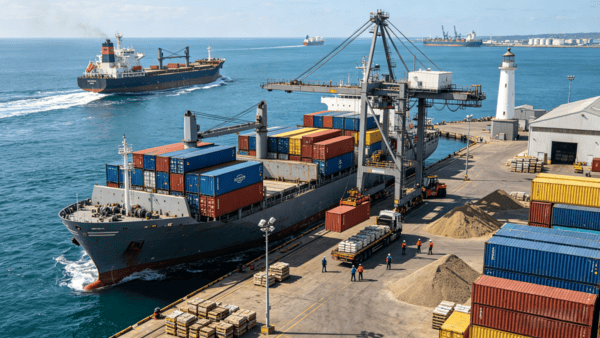
Which Chinese Ports Are the Main Departure Ports for Shipping to the UK?
Shanghai Port: As one of the world's busiest ports, Shanghai Port offers comprehensive shipping services. It has a large-scale container terminal with advanced handling equipment. The port's location at the mouth of the Yangtze River provides easy access to inland areas, enabling efficient cargo collection. Shanghai Port has a high-density shipping schedule, with numerous direct and transit routes to the UK. It also benefits from its well-developed logistics infrastructure, including warehousing and distribution facilities, which support seamless cargo handling.
Shenzhen Port: Comprising multiple port areas such as Yantian and Shekou, Shenzhen Port is renowned for its high-efficiency operations. Yantian Port, in particular, is a major container port with modern facilities. Its strategic location near the Pearl River Delta manufacturing base ensures a steady supply of goods for export. Shenzhen Port attracts many international shipping lines, offering a wide range of shipping options to the UK. The port is known for its fast-paced operations and excellent customer service.
Ningbo-Zhoushan Port: This port is a key hub for China's foreign trade. It has a large-capacity container handling capacity and is well-connected to domestic and international markets. Ningbo-Zhoushan Port's cost-effectiveness makes it an attractive option for shippers. It has a good track record in handling various types of cargo, from consumer goods to bulk commodities. The port's location on the east coast of China allows it to serve as a major transshipment point for goods destined for the UK.
Qingdao Port: Located on the Shandong Peninsula, Qingdao Port is a major port in northern China. It has modern infrastructure and is well-equipped to handle various types of cargo. Qingdao Port has a significant advantage in shipping goods to the UK, especially in terms of its efficient handling of large-scale and heavy-lift cargo. The port also offers competitive shipping rates and reliable services, making it a preferred choice for many exporters in northern China.
Guangzhou Port: As an important port in southern China, Guangzhou Port has a long-established shipping network. It serves as a gateway for goods from the Pearl River Delta region. The port offers a wide range of services, including container handling, bulk cargo handling, and Ro-Ro (roll-on/roll-off) services. Guangzhou Port's historical significance and modern facilities make it a vital link in the trade between China and the UK.
What Are the Destination Ports in the UK and Their Characteristics?
Port of Felixstowe: The Port of Felixstowe is the largest container port in the UK and one of the busiest in Europe. It is strategically located on the east coast of England, providing easy access to the UK's major industrial and population centers. The port has modern terminal facilities and a high-capacity container handling system. It is known for its efficient operations and ability to handle large-scale container vessels. However, like many major ports, it may experience congestion during peak seasons, especially around Christmas and major shopping festivals. The average berthing time is approximately 2-3 days.
Port of Southampton: Southampton is a major port in the UK, famous for its handling of containers, Ro-Ro cargo, and cruise ships. It is located on the south coast of England, close to London and other major cities. The port has excellent connections to the UK's road and rail networks, facilitating the distribution of goods across the country. Southampton Port is also known for its high-quality services and advanced cargo handling technology. The average berthing time is around 2-3 days.
Port of Liverpool: Situated on the northwest coast of England, the Port of Liverpool is an important port in the UK. It has a long-standing history in international trade and is well-equipped to handle various types of cargo, including containers, bulk cargo, and liquid cargo. Liverpool Port has been investing in modernizing its facilities to improve its competitiveness. It serves as a gateway for goods destined for the northwestern part of the UK and Ireland. The average berthing time is about 2-3 days.
What is the Transit Time from China to the UK?
Direct Voyages: Direct voyages from China to the UK are relatively rare due to the long distance. However, when available, they can take around 28-35 days. Direct voyages are suitable for high-value and time-sensitive goods, as they minimize the risk of damage and delays associated with transshipment.
Transit Voyages: Most shipments from China to the UK go via transit routes. Transit voyages usually take around 35-45 days. These routes often involve transshipment at major international hub ports such as Rotterdam in the Netherlands or Singapore. Although transit voyages take longer, they offer more flexibility in terms of shipping schedules and can be more cost-effective for some types of goods.
What Are the Shipping Costs and Their Influencing Factors?
The shipping costs from China to the UK generally range from $2500-$6000 per 40-foot container. The cost components include ocean freight, terminal handling charges (THC), bunker adjustment factor (BAF), currency adjustment factor (CAF), and other possible surcharges.
The main factors influencing shipping costs are market supply and demand, fuel prices, and the type of goods. During peak seasons, such as the pre-Christmas period and major shopping festivals in the UK, the demand for shipping space increases, leading to higher freight rates. Fuel prices also have a significant impact on ocean freight, as fluctuations in oil prices can cause changes in the bunker adjustment factor. Additionally, the type of goods, such as heavy or oversized cargo, may incur additional charges.
What Key Considerations Should Freight Forwarders Keep in Mind?
Peak Season Reminder: The peak shipping season from China to the UK is usually from September to December. During this period, freight forwarders should book shipping space well in advance, preferably 3-4 weeks ahead. They should also communicate with clients about potential delays and cost increases due to high demand.
Documentation Precautions: Ensure that all shipping documents are accurate and complete. A common mistake is providing incorrect information on the commercial invoice, which can lead to customs clearance delays. Freight forwarders should be familiar with the UK's customs regulations and requirements for different types of goods.
Common Issues: Congestion at UK ports can cause significant delays. Freight forwarders should closely monitor port conditions and be prepared to adjust shipping plans accordingly. Additionally, they should be aware of any potential regulatory changes in the UK, such as new customs policies or environmental regulations, which may affect the shipping process.
Conclusion
Shipping from China to the UK is an essential part of the bilateral trade relationship between the two countries. Understanding the trade landscape, main departure ports, destination ports, transit time, shipping costs, and key considerations is crucial for freight forwarders. By carefully managing these aspects, freight forwarders can ensure the efficient and cost-effective transportation of goods between China and the UK. Shipping from China to the UK remains a vital link in the global trade network, facilitating the exchange of goods and promoting economic cooperation.
Last
Say Goodbye to Middlemen_ A Guide to Avoiding Pitfalls When Finding First-Class Booking Agents for China to Germany Shipping
With the continuous deepening of Sino-German trade, China to Germany shipping, as the core logistics channel connecting trade betw
Next
In-Depth Review_ Container Control Techniques and Free Demurrage Application for Full Container Load (FCL) Exports to Germany by Sea
With the continuous deepening of Sino-German trade, China to Germany sea freight FCL exports have become a core business for freig
