Shanghai vs. Shenzhen_ Which Chinese Port is More Cost-Effective for Shipping to the US_
Freight Area
 29-Apr-2026
Shipping from China to the US is a core logistics channel for Sino-US trade. As two of China’s top ports, Shanghai Port and Shenzhen Port have become the primary starting points for foreign trade enterprises and freight forwarders, thanks to their comprehensive supporting facilities and dense route networks. Many enterprises face a dilemma when planning freight solutions: "Should I choose Shanghai or Shenzhen?" While both ports can ship goods directly to the US, they differ significantly in shipping rates, timeliness, additional costs, and applicable scenarios. Choosing the right port can significantly reduce logistics costs, while the wrong choice may result in unnecessary expenses and delayed timelines. This article will detail the advantages and disadvantages of both ports from the perspectives of core costs, timeliness, and supporting services, combined with the latest authoritative data, and provide precise selection suggestions to help you find the most cost-effective shipping solution from China to the US.
First, Core Data: What are the Differences in Basic Strength and US Route Networks of the Two Ports?
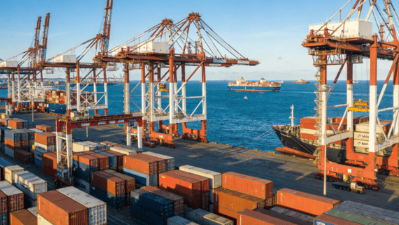
To determine which port is more cost-effective, it is first necessary to clarify their basic strength—port throughput and route density directly affect the stability of shipping space and fluctuations in shipping rates, which are core reference factors for freight forwarders and enterprises. According to the latest data released by the Shanghai Municipal Commission of Commerce (Municipal Port Office) in March 2026, Shanghai Port’s container throughput exceeded 55.8 million TEUs in 2025, an increase of about 4.24 million TEUs compared with 2024, ranking first in the world for 16 consecutive years.
Among this, Yangshan Deep-Water Port’s container throughput reached 29.108 million TEUs, accounting for 52.1% of Shanghai Port’s total throughput. Its "four duals" innovative measures (dual ship locks, dual runways, dual shorelines, and dual container yards) have made the port’s navigation efficiency leading globally. The terminal berth comprehensive utilization rate stably stands at around 85.3%, and the average waiting time for ship berthing is no more than 2 hours.
According to data released by the official website of the People’s Government of Guangdong Province in March 2026, Shenzhen Port’s container throughput exceeded 35.8 million TEUs in 2025, a year-on-year increase of 7.2%, setting a new record since the port’s opening. Its LNG refueling service covers the entire port area, the shore power facility coverage rate at berths reached 92.5%, and the port’s intelligent operation rate exceeded 88%, boasting a similarly well-developed supporting ecosystem.
US Route Networks: Balanced Coverage in East China vs. Focused Layout in South China
In terms of US route networks, the two ports have distinct focuses: As the core hub in East China, Shanghai Port offers a balanced distribution of routes to the US West and US East, with direct services covering major US ports such as Los Angeles, Long Beach, New York, and Savannah. Backed by the Yangtze River Delta manufacturing base, it has a high concentration of cargo sources and maintains the highest shipping schedule density in China, with 86 direct weekly sailings to the US.
As the core hub in South China, Shenzhen Port is close to the Pearl River Delta industrial belt and features the highest density of direct routes to the US West. It covers all major shipping lines including MSC, Maersk, COSCO, and HPL, with 92 direct weekly sailings to the US West. Shenzhen Port also provides mature LCL (Less than Container Load) services with more flexible cut-off times, making it ideal for small-batch, multi-batch shipping needs of small and medium-sized cross-border e-commerce sellers.
We recommend that freight forwarders, when recommending ports to customers, first consider the cargo source location—prioritize Shanghai Port for cargo from the Yangtze River Delta and Shenzhen Port for cargo from the Pearl River Delta. This avoids additional costs caused by excessive inland trailer distances, a fundamental prerequisite for reducing the total cost of shipping from China to the US. A common misunderstanding is that many enterprises blindly pursue low shipping rates and ignore the distance between cargo sources and ports, resulting in inland trailer fees far exceeding the difference in shipping rates, which is counterproductive.
Key Comparison: What is the Difference in Shipping Rates from the Two Ports to the US?
Shipping rate is the core indicator for judging "cost-effectiveness." Combined with the latest authoritative shipping rate data, we compare rate differences between the two ports to major US ports from two dimensions: FCL (Full Container Load) and LCL (Less than Container Load). All data comes from recent authoritative channels to ensure timeliness and accuracy.
FCL Shipping Rates: Shanghai Port Has a Clear Advantage, Especially for US East Routes
According to the real-time quotation system of Freightos in mid-April 2026 and the shipping rate tracking report of iContainers, FCL shipping rates from the two ports to major US West and US East ports are as follows: For a 40ft High Cube (40HQ) container, the rate from Shanghai Port to Los Angeles is $2,100–$3,900, and to New York is $3,100–$4,900; from Shenzhen Port to Los Angeles, it is $2,300–$4,100, and to New York is $3,300–$5,100.
In terms of FCL rates, Shanghai Port is slightly lower than Shenzhen Port, with a price difference of $200–$300 per container for US East destinations. This is mainly due to Shanghai Port’s larger cargo volume, more intense competition among shipping lines, and the high terminal operation efficiency of Yangshan Deep-Water Port, which reduces shipping lines’ operating costs and makes rates more competitive.
LCL Shipping Rates: Shenzhen Port Is More Competitive, Suitable for Small and Medium-Sized Shippers
In terms of LCL rates, according to Freightos data in mid-April 2026, the LCL rate from China to Los Angeles is $48–$85 per CBM, and to New York is $68–$115 per CBM. Shenzhen Port’s LCL rates are slightly lower than Shanghai Port’s (a difference of approximately $5–$10 per CBM).
This is because Shenzhen Port has a high concentration of cross-border e-commerce cargo, abundant LCL sources, and higher efficiency in container devanning and consolidation. Additionally, the large number of small and medium-sized shippers in the Pearl River Delta reduces LCL operating costs, making it more suitable for shippers with cargo volume less than one full container. Meanwhile, Shenzhen Port’s LCL inspection rate is relatively low, which shortens customs clearance time.
Shipping Rate Fluctuations: US Route Rates Are Recently on an Upward Trend
In addition, according to the SCFI data released by the Shanghai Shipping Exchange on April 10, 2026, the Shanghai Export Container Freight Index (SCFI) stood at 1,896.32 points, an increase of 2.2% from the previous week. Specifically, the rate from Shanghai to Los Angeles was $2,715 per FEU, and to New York was $3,486 per FEU. Over the same period, the Freightos Baltic Index (FBX) showed that Asia-US West route rates rose by 11% week-on-week, and Asia-US East route rates increased by 5%. Affected by the Middle East situation, Bunker Adjustment Factor (BAF) costs continue to rise, and rates may climb further in the coming weeks.
We recommend that shippers with large cargo volumes (FCL shipping) pursuing cost-effective rates prioritize Shanghai Port, especially for goods bound for US East ports—long-term cooperation can yield significant savings. Small and medium-sized sellers with small cargo volumes (LCL shipping) located in the Pearl River Delta should prioritize Shenzhen Port, which offers lower LCL costs and more flexible timeliness. Freight forwarders must note: when providing quotes, they must offer an all-inclusive price that includes shipping fees, THC/ORC, EBS, document fees, and all other additional charges to avoid hidden costs that negatively impact customer experience and reputation.
Easily Overlooked: How Do Additional Costs and Timeliness Affect Overall Cost-Effectiveness?
Many enterprises and freight forwarders focus solely on shipping rates but ignore the hidden costs associated with additional expenses and timeliness—these costs often have a greater impact on overall cost-effectiveness than rate differences, and may even lead to a situation where "it seems cheap but is actually more expensive."
Additional Costs: Significant Disparity in Inland Trailer Fees, and Demurrage Risks Require Attention
First, let’s examine additional costs, which primarily include inland trailer fees, port surcharges, and demurrage fees. For inland trailer fees: In the Yangtze River Delta region (e.g., Suzhou, Hangzhou, Ningbo), the trailer fee to Shanghai Port is approximately ¥800–¥1,500 per container, while to Shenzhen Port it reaches ¥3,000–¥5,000 per container. In the Pearl River Delta region (e.g., Guangzhou, Dongguan, Foshan), the trailer fee to Shenzhen Port is about ¥600–¥1,200 per container, but to Shanghai Port it is as high as ¥4,000–¥6,000 per container, representing a significant gap.
Regarding port surcharges: Shanghai Port uses the THC (Terminal Handling Charge) model, while Shenzhen Port adopts the ORC (Origin Receipt Charge) model. Their charging standards differ slightly, but the overall gap is minimal—approximately $50–$100 per container, which is negligible. For demurrage fees: According to the latest regulations on the official websites of Shanghai Port and Shenzhen Port in April 2026, the demurrage fee standards of both ports are basically consistent, ranging from $20–$50 per day for ordinary containers (increasing by container type).
However, due to more abundant shipping space and higher container pickup efficiency, the probability of incurring demurrage fees at Shanghai Port is lower than at Shenzhen Port. Especially during peak seasons (September–December, pre-Spring Festival), Yantian and Shekou Terminals in Shenzhen Port are prone to congestion, increasing the risk of container pickup delays and potential additional demurrage costs. According to Shenzhen Port’s official first-quarter 2026 data, the average container pickup delay duration during peak seasons can reach 8–12 hours.
Timeliness Comparison: Shenzhen Is Slightly Faster to the US West, Shanghai Is More Stable to the US East
Next, let’s discuss timeliness, which directly impacts capital turnover efficiency. For cross-border e-commerce sellers, in particular, delays may lead to stockouts, fines, and other losses. According to the latest data from Wutong International Logistics Network in April 2026, the direct transit time from Shanghai Port to US West ports (Los Angeles and Long Beach) is 14–24 days, and to US East ports (New York) is 24–34 days; from Shenzhen Port to US West ports, it is 13–17 days, and to US East ports is 24–34 days.
Overall timeliness is similar between the two ports, but Shenzhen Port’s direct transit time to the US West is slightly faster, primarily due to its higher route density and fewer port calls by vessels. Shanghai Port’s timeliness to the US East is more stable, as it offers more frequent US East sailings, and the on-time departure rate of vessels at Yangshan Deep-Water Port reaches 98.2%, higher than Shenzhen Port’s 96.7%.
The recommended approach is: when calculating total costs, inland trailer fees, demurrage fees, and timeliness costs must be included, not just shipping rates. For example, for Yangtze River Delta shippers sending FCL cargo to the US East, choosing Shanghai Port results in a total cost (shipping fee + trailer fee) that is 20%–30% lower than Shenzhen Port. For Pearl River Delta shippers sending LCL cargo to the US West, choosing Shenzhen Port reduces total costs by 15%–20% compared to Shanghai Port. When formulating solutions for customers, freight forwarders should proactively help calculate total costs, rather than only quoting shipping fees—this demonstrates professionalism and enhances customer loyalty.
Scenario-Based Selection: How to Precisely Match Ports to Different Business Needs?
There is no universally "more cost-effective" port—only ports that better align with specific needs. Combining the advantages and disadvantages of both ports, we provide precise selection suggestions for different scenarios to help enterprises and freight forwarders make quick, informed decisions.
Scenario 1: Yangtze River Delta, FCL Shipping, Low-Cost Focus, Moderate Timeliness Requirements
Enterprises in the Yangtze River Delta with large cargo volumes (FCL shipping), a focus on low costs, and moderate timeliness requirements (e.g., Suzhou electronics factories, Hangzhou garment enterprises) should prioritize Shanghai Port. On one hand, low inland trailer fees reduce front-end transportation costs; on the other hand, Shanghai Port has a clear advantage in FCL shipping rates, stable shipping space, and a low risk of container rolling.
We recommend booking shipping space 1–2 weeks in advance, especially during peak seasons, to lock in more favorable rates. Additionally, leverage Shanghai Port’s rail-sea intermodal transportation advantage to reduce inland transportation costs—according to data from the Information Office of the Shanghai Municipal People’s Government in March 2026, Shanghai Port’s rail-sea intermodal container volume exceeded 1.189 million TEUs in 2025, a year-on-year increase of 16.7%. The "one-box system" for multimodal transportation significantly improves transportation efficiency and reduces cargo transit losses.
Scenario 2: Pearl River Delta, LCL Shipping, Cross-Border E-Commerce, High Timeliness Requirements
Customers in the Pearl River Delta with small cargo volumes (LCL shipping), cross-border e-commerce sellers, and high timeliness requirements (e.g., Dongguan cross-border sellers, Guangzhou small commodity exporters) should prioritize Shenzhen Port. Shenzhen Port offers mature LCL services, abundant cargo sources, high efficiency in container devanning and customs clearance, and slightly faster direct transit times to the US West—these features better meet the replenishment needs of cross-border e-commerce and shorten the capital turnover cycle.
Freight forwarders must note: the LCL market at Shenzhen Port is highly competitive, so it is essential to partner with legitimate LCL providers to avoid cargo loss, delays, and other issues. Simultaneously, confirm LCL cut-off times in advance to ensure goods arrive at the warehouse on time and prevent cargo misplacement due to delayed cut-off.
Scenario 3: Sensitive Cargo, Bulk Cargo, Long-Term Cooperative Customers
For sensitive cargo (e.g., electronic products, cosmetics) and bulk cargo (e.g., mechanical equipment), Shanghai Port is the preferred choice. As a world-class port, Shanghai Port has more standardized customs clearance procedures and a relatively low inspection rate (according to Shanghai Customs’ first-quarter 2026 data, the inspection rate for US-bound cargo is approximately 3.2%). It also has extensive experience in handling bulk cargo, reducing transportation risks. For long-term cooperative customers (with annual shipping volumes exceeding 100 containers), it is advisable to collaborate with both ports and flexibly switch based on quarterly rate fluctuations.
For example, choose Shanghai Port during peak seasons (stable shipping space) and Shenzhen Port during off-seasons (more favorable LCL rates) to minimize costs. A common misunderstanding is that long-term cooperative customers blindly rely on a single port, ignoring cost increases caused by rate fluctuations. Flexibly switching ports can save 10%–15% of logistics costs annually.
Conclusion: Shanghai vs. Shenzhen—Which Should You Choose?
In summary, Shanghai Port and Shenzhen Port each have unique strengths, with distinct core cost-effective advantages: Shanghai Port excels in low FCL shipping rates, stable shipping space, and comprehensive supporting facilities, making it ideal for Yangtze River Delta enterprises, FCL shippers, and those pursuing low costs. Shenzhen Port stands out for low LCL costs, fast transit times to the US West, and proximity to the Pearl River Delta industrial belt, making it the best choice for Pearl River Delta enterprises, LCL shippers, and cross-border e-commerce customers.
We recommend that enterprises and freight forwarders, when selecting the departure port for shipping from China to the US, avoid blindly pursuing low shipping rates. Instead, comprehensively consider factors such as cargo source location, cargo volume, timeliness requirements, and additional costs, and calculate the "total cost" rather than just the "single shipping rate." For freight forwarders, it is critical to master the route networks, rate fluctuation patterns, and additional fee standards of both ports, provide personalized solutions for customers, and proactively anticipate peak season congestion risks by developing alternative plans (e.g., using Ningbo Port as a backup for Shanghai Port and Guangzhou Nansha Port as a backup for Shenzhen Port) to avoid delays and cost increases caused by port congestion.
Regardless of whether you choose Shanghai Port or Shenzhen Port, the core goal is to achieve the logistics objectives of "minimum cost, most stable timeliness, and minimum risk." With the continuous deepening of Sino-US trade, the route networks of shipping from China to the US will become more improved, and rate fluctuations will tend to stabilize. Enterprises and freight forwarders only need to accurately align their needs with port characteristics to find the most cost-effective shipping solution and achieve cost reduction and efficiency improvement.
Last
China to US Shipping_ How to Choose Between Dry Containers, High Cube Containers and Refrigerated Containers_
China to US shipping is the core logistics method in Sino-US trade, undertaking the cross-border transportation needs of various t
Next
Shipping from China to Japan: The Maritime Passage for Close Trade Exchanges
China and Japan are geographically close and have extensive economic and trade exchanges. Sea freight serves as a crucial means of
