Shipping from China to USA: A Comprehensive Guide for Freight Forwarders
Freight Area
 29-Apr-2026
The trade between China and the USA is highly frequent, and sea freight, as the primary mode of cargo transportation, plays a vital role in bilateral trade. Shipping from China to the USA connects two huge economies and has a profound impact on the global trade pattern.
What's the Trade Landscape between China and the USA?
China and the USA are two major economies globally, with a large-scale bilateral trade. China exports a wide variety of goods to the USA. Electronics, textiles, and furniture are among the major export items. For instance, Chinese-made smartphones, computers, and various types of clothing are well-received in the US market. Meanwhile, the USA exports agricultural products such as soybeans, as well as high-tech products and mechanical equipment parts to China. This complementary trade relationship has led to a continuous strong demand for shipping from China to the USA.
In my view, this trade relationship is not only beneficial for the economic growth of both countries but also for the global supply chain. The exchange of goods enriches the product offerings in both markets, promoting healthy competition and innovation. However, trade disputes between the two countries in recent years have added uncertainties to this shipping route, which freight forwarders need to closely monitor.
Which Chinese Ports Are Key for Shipping to the USA?
Shanghai Port: As one of the busiest ports in the world, Shanghai Port boasts advanced facilities and an efficient operation system. Its prime location at the mouth of the Yangtze River facilitates the collection of goods from inland areas. Shanghai Port offers a rich network of shipping routes with a high-density schedule, providing frequent direct and transit services to major US ports. It has a strong capacity for handling both large-scale container transportation and special-type cargo.
Shenzhen Port: Composed of multiple port areas like Yantian Port and Shekou Port, Shenzhen Port is well-known. Yantian Port, in particular, is a world-renowned large-scale container port, celebrated for its high-efficiency loading and unloading operations and modern management. Shenzhen Port is close to the manufacturing-intensive Pearl River Delta region, making it convenient to gather various goods such as electronics and toys for shipment to the USA. Many international shipping companies call at this port, offering diverse transportation options.
Ningbo-Zhoushan Port: This is an important comprehensive port in China, with a huge cargo-handling capacity. Ningbo-Zhoushan Port not only excels in container transportation but also has rich experience in handling bulk and liquid cargo. Thanks to its cost-effectiveness and good service, it attracts a large volume of goods destined for the USA. Its geographical location makes it a crucial hub connecting China's inland areas with the US market.
Qingdao Port: Located in northern China, Qingdao Port is an important maritime transportation node in the region. It has modern terminal facilities and can handle various types of cargo. Qingdao Port has an advantage in shipping routes to the West Coast ports of the USA, with relatively shorter transit times. It is also one of the main departure ports for goods from North China to the USA, providing strong support for the trade development of the surrounding areas.
Guangzhou Port: As an important port in South China, Guangzhou Port has a long-standing history and a well-developed shipping network. It provides a convenient sea-going channel for goods in the Pearl River Delta region, covering various transportation modes such as container, bulk, and roll-on/roll-off (Ro-Ro). Guangzhou Port continuously improves its service quality and operation efficiency, strengthening its connection with US ports and playing a significant role in Sino-US sea-freight trade.
In my opinion, these ports' continuous development and improvement in infrastructure and service are crucial for the smooth shipping from China to the USA. However, competition among these ports also exists. Each port should focus on its unique advantages, such as Shanghai's comprehensive service capabilities, Shenzhen's proximity to manufacturing bases, and Ningbo-Zhoushan's cost-effectiveness, to better serve the shipping needs to the USA.
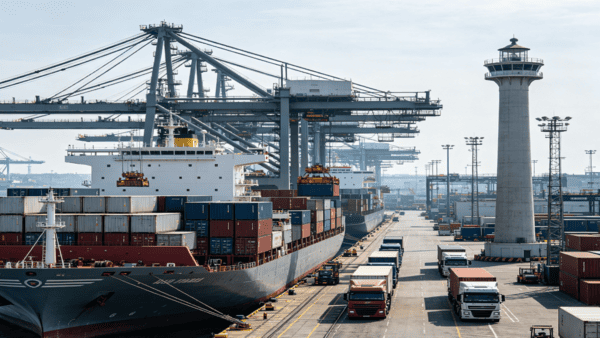
What Are the US Destination Ports and Their Clearance Features?
Port of Los Angeles: As one of the busiest ports in the USA, the Port of Los Angeles often faces the challenge of congestion, especially during peak seasons. The port operation is complex due to the huge volume of cargo, with various facilities operating around the clock. Berthing time (excluding customs clearance) is 2-3 days on average. The port is equipped with advanced container-handling equipment, enabling it to efficiently load and unload large vessels. However, congestion may lead to extended cargo detention times and increased logistics costs.
Port of Long Beach: Adjacent to the Port of Los Angeles, the Port of Long Beach also handles a large amount of cargo from China. It is renowned for its modern facilities and efficient operation but is also not immune to congestion during peak seasons. Berthing time (excluding customs clearance) is 2-3 days on average. The Port of Long Beach focuses on environmental protection, implementing a series of green initiatives in port operations while constantly optimizing its operation processes to improve cargo-handling efficiency.
Port of New York-New Jersey: Situated on the East Coast of the USA, it is an important logistics hub in the northeastern region of the country. The port is relatively far from China, resulting in a relatively longer transportation time. The port has complete facilities and can handle various types of cargo, including containers, break-bulk cargo, and Ro-Ro cargo. The Port of New York-New Jersey has an advantage in cargo distribution, being able to quickly distribute goods to the surrounding areas.
For US customs clearance, documents such as commercial invoices, bills of lading, packing lists, and certificates of origin (if applicable) are required. Special regulations may apply to different types of goods. For example, food products need to meet the strict requirements of the US Food and Drug Administration (FDA). The US has a complex tariff structure, and tariffs are determined according to the HS code of the goods. The customs-clearance process generally includes document submission, possible inspections, and tariff payment.
In my perspective, the congestion at the Port of Los Angeles and the Port of Long Beach is a persistent issue that requires long-term solutions. The US government and port authorities should invest more in infrastructure expansion and operational optimization. Regarding customs clearance, freight forwarders need to be extremely cautious. Given the complex regulations, any negligence may lead to significant delays and additional costs. Staying updated with the latest customs policies and maintaining good communication with customs brokers are essential.
How Long Does It Take to Ship from China to the USA?
Direct Voyages: A direct voyage from Shanghai to Los Angeles usually takes 11-14 days, and from Shenzhen to Long Beach, it takes about 11-13 days. Direct voyages offer relatively short transit times, which are suitable for time-sensitive goods, such as the launch of new electronic products.
Transit Voyages: Transit voyages generally take 18-25 days. During the transit process, goods are consolidated and re-loaded at transit ports. Although the cost may be lower, the longer transit time makes it less suitable for urgent cargo transportation. When choosing a transit route, freight forwarders need to consider the nature of the goods and the client's time requirements.
In my view, the choice between direct and transit voyages is a trade-off between cost and time. For high-value and time-sensitive goods, direct voyages are the obvious choice despite the higher cost. However, for some bulk goods or those with less strict time requirements, transit voyages can provide cost-saving opportunities. Freight forwarders should have in-depth discussions with clients to make the most appropriate decision based on their specific needs.
What Are the Shipping Costs and Their Influencing Factors?
The shipping prices from China to the USA usually range from $1500-$5000 per 40-foot container, depending on season, carrier, and route. The specific price is affected by various factors. The cost components include ocean freight, terminal handling charges (THC), bunker adjustment factor (BAF), and currency adjustment factor (CAF), etc. The increased demand during peak seasons (such as before Christmas) can cause the freight rate to increase by 20%-50%. The type of goods also affects the price, with heavier or larger-volume goods likely to incur higher costs. In addition, the combination of different departure and destination ports can also impact the final freight.
I believe that the wide-ranging shipping costs require freight forwarders to have a comprehensive understanding of the market. They should closely monitor factors such as seasonality, carrier performance, and route options. Building long-term relationships with reliable carriers can help in getting more favorable rates. Also, freight forwarders can use cost-analysis tools to better estimate and manage costs for clients, enhancing their competitiveness in the market.
What Should Freight Forwarders Pay Attention to?
Peak Season Reminder: The peak season for shipping from China to the USA is usually from September to December each year. Freight forwarders should book shipping space in advance to avoid tight space availability and significant price increases. At the same time, they should communicate with clients in advance about the potential delay risks during the peak season and arrange the shipping plan reasonably.
Documentation Precautions: Ensuring the accuracy of all customs-clearance documents is of utmost importance. A common mistake is errors in commercial invoice information, which may lead to customs-clearance delays. Freight forwarders should carefully review the documents to ensure that the description of goods, value declaration, etc., are consistent with the actual situation.
Common Issues: Congestion at US ports is a common problem. Freight forwarders need to closely monitor port dynamics and adjust the transportation plan in a timely manner. In addition, weather factors, such as the hurricane season in the Pacific Ocean (from June-November), may affect the shipping schedule. Freight forwarders should take pre-emptive measures and maintain communication with clients.
In my opinion, freight forwarders need to be proactive in dealing with these issues. During peak seasons, they can explore alternative ports or shipping routes to avoid over-reliance on congested ports. For documentation, implementing a strict document-review process and using digital tools for verification can reduce errors. Regarding weather-related issues, establishing contingency plans in advance and maintaining real-time communication with clients can help minimize the impact on shipping schedules.
Conclusion
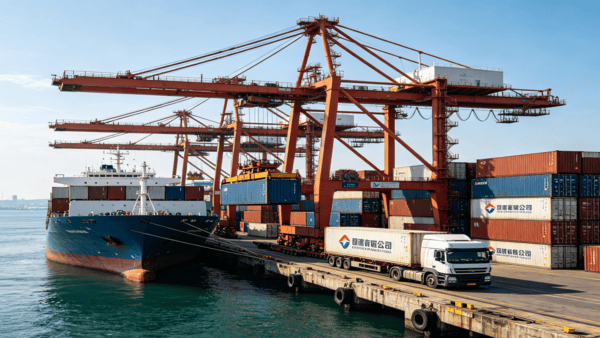
Shipping from China to the USA is an important pillar of Sino-US trade, of great significance for maintaining the stable development of both economies. Understanding the major departure ports, destination ports, transit times, costs, and key considerations is the key for freight forwarders to carry out their business smoothly. Through reasonable planning and professional operation, freight forwarders can ensure the safe and efficient transportation of goods between China and the USA. Shipping from China to the USA remains a vital link in the global trade network, and freight forwarders play a crucial role in its success. Freight forwarders should continuously adapt to the changing market environment, regulatory requirements, and client needs to stay competitive and contribute to the healthy development of this important shipping route.
Last
How to Choose a Freight Forwarder for China to US Shipping_
As the core cross-border logistics carrier for Sino-US trade, China to US shipping undertakes the transportation needs of a large
Next
How to Consolidate Goods from Multiple Chinese Suppliers for LCL Shipping to the US_
In China-US cross-border trade, most foreign trade enterprises cooperate with multiple Chinese suppliers for procurement. Since th
