Shipping from China to South Korea: The Vital Maritime Link in Northeast Asian Trade
Freight Area
 29-Apr-2026
China and South Korea, being important economies in Northeast Asia, enjoy a close-knit trade relationship. Sea freight acts as a crucial bridge for transporting goods between the two countries. The shipping routes from China to South Korea play a significant role in promoting bilateral trade and economic cooperation.
What's the Trade Overview between China and South Korea?
China is the world's second-largest economy, and South Korea is a highly developed economy in Asia. According to data from UN Comtrade, the trade volume between China and South Korea has been substantial and relatively stable in recent years. The two countries are important trading partners for each other.
China exports a wide variety of goods to South Korea. Major export items include mechanical and electrical products, textiles, furniture, and agricultural products. Chinese mechanical and electrical products, such as home appliances and communication equipment, are well-received in the South Korean market for their cost-effectiveness and innovative features. Textiles with diverse styles and high-quality materials also attract South Korean consumers. On the other hand, South Korea exports semiconductors, automobiles, petrochemical products, and high-end electronic components to China. South Korean semiconductors are widely used in China's electronics manufacturing industry, and South Korean automobiles are popular in the Chinese market for their advanced technology and stylish designs.
This complementary trade structure has led to a continuous and strong demand for shipping from China to South Korea.
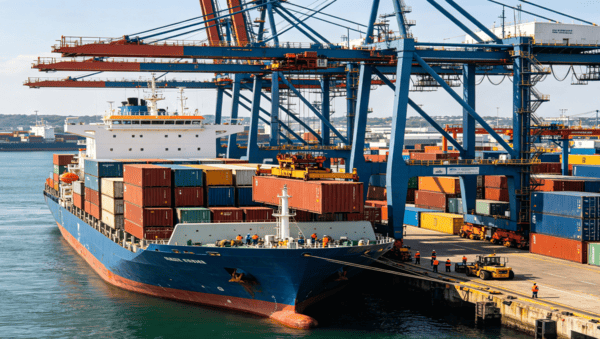
Which Chinese Ports Are the Main Departure Ports for Shipping to South Korea?
Shanghai Port: As a leading international port, Shanghai Port offers comprehensive shipping services. It has advanced container-handling facilities and a well-organized operation system. The port's location at the mouth of the Yangtze River enables it to efficiently gather goods from inland areas. With a dense shipping schedule, Shanghai Port has numerous direct routes to South Korean ports, ensuring timely and reliable transportation. Additionally, its sophisticated logistics services, including warehousing and distribution, support seamless cargo handling.
Qingdao Port: Located in northern China, Qingdao Port is a key maritime hub. It has modern infrastructure and is well-equipped to handle various types of cargo. Qingdao Port has a geographical advantage in shipping to South Korea, with relatively short sailing distances. It specializes in handling large-scale and heavy-lift cargo, and also has excellent facilities for refrigerated cargo transportation. The port's efficient operations and good service reputation make it a popular choice for shipping to South Korea.
Dalian Port: Situated at the southern tip of the Liaodong Peninsula, Dalian Port is an important port in Northeast China. It serves as a gateway for goods from Northeast China to South Korea. Dalian Port has a long-established shipping network and is experienced in handling different types of cargo. It has strong connections with South Korean ports and offers regular shipping services. The port's location close to the industrial areas in Northeast China ensures a stable supply of export goods.
Yantai Port: Yantai Port is located on the Shandong Peninsula, facing South Korea across the sea. It has a unique geographical advantage for shipping to South Korea. Yantai Port has been actively developing its shipping services to South Korea, with a focus on improving efficiency and service quality. It can handle a variety of cargo, including containers, bulk cargo, and Ro-Ro cargo. The port's short sailing time to South Korea makes it an attractive option for time-sensitive goods.
Shenzhen Port: Comprising multiple port areas, Shenzhen Port is a major port in southern China. It has modern container-handling capabilities and is close to the manufacturing base in the Pearl River Delta. Although it is relatively far from South Korea compared to some northern ports, Shenzhen Port's high-efficiency operations and extensive shipping routes still make it an important departure port for goods destined for South Korea. It can provide diversified shipping options to meet different customer needs.
What Are the Destination Ports in South Korea and Their Features?
Port of Busan: As South Korea's largest port and one of the busiest ports in the world, the Port of Busan is a major international shipping hub. It has advanced port facilities, including large-scale container terminals, bulk cargo terminals, and Ro-Ro terminals. The port's operation is highly efficient, with a well-trained workforce and advanced cargo-handling technology. Busan Port can handle a vast amount of cargo from various origins, including China. However, due to its high volume of business, it may experience congestion during peak seasons. The average berthing time is around 1-2 days.
Port of Incheon: Located near Seoul, the capital of South Korea, the Port of Incheon is an important gateway for goods entering the Seoul metropolitan area. It has modern facilities and is well-connected to the domestic transportation network. Incheon Port is known for its efficient handling of container and general cargo. It also has a special economic zone, which provides preferential policies for trade and logistics. The port's location makes it convenient for the distribution of goods to the Korean mainland. The average berthing time is approximately 1-2 days.
Port of Ulsan: Ulsan Port is an important industrial port in South Korea, mainly serving the local petrochemical, ship-building, and automotive industries. It has specialized terminals for handling bulk and liquid cargo related to these industries. Ulsan Port has advanced facilities for handling large-scale vessels and has a high-capacity storage system. Although it may not handle as much general cargo as Busan and Incheon, it plays a crucial role in the transportation of goods related to South Korea's key industries. The average berthing time is about 1-2 days.
What is the Transit Time from China to South Korea?
Direct Voyages: Direct voyages from major Chinese ports to South Korean ports are relatively fast. For example, from Qingdao to Busan, it usually takes about 1-3 days; from Shanghai to Incheon, it may take around 2-4 days. Direct voyages are suitable for time-sensitive goods, such as fresh agricultural products, high-end electronics, and fashion items, as they can ensure quick delivery.
Transit Voyages: Transit voyages are less common but may be chosen for some specific cargo or to take advantage of certain shipping arrangements. Transit voyages may take around 3-5 days, usually involving transshipment at some regional ports. Freight forwarders need to carefully consider the nature of the cargo and the specific requirements when choosing between direct and transit voyages.
What Are the Shipping Costs and Their Influencing Factors?
The shipping costs from China to South Korea generally range from $500-$1500 per 40-foot container. The cost components mainly include ocean freight, terminal handling charges (THC), bunker adjustment factor (BAF), and other possible surcharges.
Market supply and demand is a key factor influencing the freight rate. During peak trading seasons, such as major festivals in South Korea or high-production periods in China, the demand for shipping space increases, which may lead to an upward adjustment of freight rates. Fuel price fluctuations also directly affect ocean freight. An increase in fuel prices will usually result in a rise in the bunker adjustment factor, thus increasing the overall shipping cost. Additionally, the type of goods, such as whether it is a normal cargo or a special cargo (e.g., dangerous goods, oversized cargo), and the specific departure and destination port combination can also affect the shipping cost.
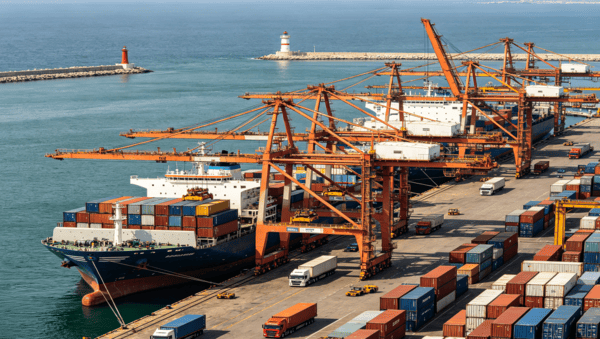
What Key Considerations Should Freight Forwarders Keep in Mind?
Peak Season Reminder: The peak seasons for shipping from China to South Korea are often around major South Korean festivals like Chuseok (Korean Thanksgiving Day) and Seollal (Lunar New Year). During these times, the demand for shipping space surges. Freight forwarders should book shipping space in advance, preferably 1-2 weeks earlier, to avoid potential space shortages and price hikes. They should also communicate with customers in a timely manner about possible shipping schedule changes due to high-volume traffic.
Documentation Precautions: Ensuring the accuracy and completeness of documentation is crucial. Commercial invoices, bills of lading, packing lists, and other documents must be filled out accurately. For example, the description of goods should be detailed and in line with South Korean customs requirements. Special attention should be paid to any specific regulations regarding product quality, labeling, and safety standards in South Korea. Incorrect or incomplete documentation can lead to customs clearance delays or even fines.
Common Issues: Weather conditions, especially during the typhoon season (from July to October), can affect shipping schedules. Freight forwarders should closely monitor weather forecasts and be prepared to adjust shipping plans accordingly. Also, differences in South Korean customs regulations and inspection procedures for different types of goods need to be well-understood. Staying updated on regulatory changes and communicating effectively with clients can help avoid potential problems during the shipping process.
Conclusion
Shipping from China to South Korea is an essential part of the bilateral trade between the two countries. It is a vital link that supports the continuous growth of economic and trade exchanges. Understanding the main departure ports, destination ports, transit times, shipping costs, and key considerations is of great significance for freight forwarders. By carefully managing these aspects, freight forwarders can ensure the smooth and efficient transportation of goods between China and South Korea. Shipping from China to South Korea remains a crucial part of the regional trade network, facilitating the exchange of goods and promoting economic development on both sides.
Last
Shipping from China to Malaysia: A Comprehensive Guide for Freight Forwarders
The shipping route from China to Malaysia is a significant artery in the Southeast Asian trade network. Given the strong economic
Next
Shipping from China to Germany: Unveiling the Maritime Link between Two Economic Giants
China and Germany hold significant positions in the global economic landscape. Their robust trade relationship is strongly support
