Adjusting annual ocean contract freight rates following a massive regional Port Infrastructure Funding Charge Policy
Freight Policy
 17-Jun-2026
Regional port infrastructure upgrades and supporting funding adjustments under the updated Port Charge Policy have triggered sustained cost fluctuations, encouraging global freight forwarders to optimize and recalibrate annual ocean contract freight rate frameworks in recent years. Large-scale terminal renovation, capacity expansion, and digital transformation projects across major maritime regions have prompted local port authorities to launch standardized infrastructure funding charge rules, which reshape terminal operational cost structures and medium-to-long-term shipping pricing mechanisms. According to UNCTAD 2025 Review of Maritime Transport, ongoing port infrastructure investment activities have lifted baseline terminal service costs across multiple global hub ports, generating regular pricing volatility in annual contractual freight rate negotiations for cross-border logistics participants. For global forwarders managing long-term ocean freight cooperation contracts, aligning dynamic rate adjustments with iterative port charge regulations acts as a core operational priority to stabilize profit margins and maintain consistent client service standards.
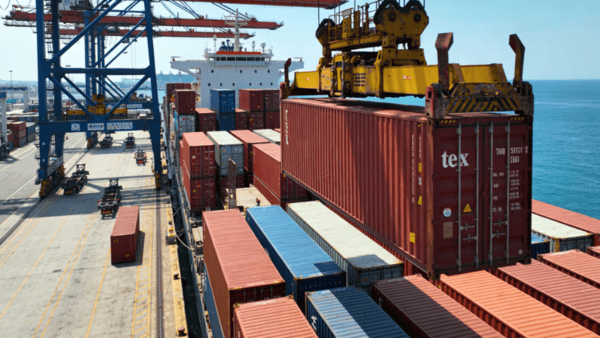
What core provisions does the updated regional Port Charge Policy for infrastructure funding include?
The regional Port Charge Policy for infrastructure funding represents standardized regulatory pricing frameworks released by authorized port authorities to recover capital input costs for terminal expansion, mechanical equipment renewal, and comprehensive port facility modernization initiatives. Related policy clauses define enforceable infrastructure surcharge items, phased fee adjustment cycles, and industry-wide cost allocation rules applicable to containerized and breakbulk shipping operations.
These infrastructure funding charges differ fundamentally from conventional one-time terminal handling fees, as they operate as long-term policy-regulated costs designed to support continuous port capacity optimization and facility iteration. Most regional port authorities adopt tiered charging mechanisms linked to cargo throughput, container volume, and vessel specification, enabling gradual and sustainable cost recovery for large-scale public infrastructure investment projects.
Forwarders should note that infrastructure-focused charge regulations are distinct from short-term peak-season surcharges, because they are integrated into formal long-term port operational systems and remain valid for multiple annual contract cycles. Many coastal and inland hub ports extend policy validity timelines to match multi-year infrastructure construction schedules, generating durable influences on ocean freight contractual pricing systems.
According to UNCTAD 2025 maritime trade facilitation statistics, regional infrastructure funding charge revisions are among the frequent port policy adjustments implemented across Asia-Pacific, European, and American shipping networks, with most updated rules taking effect from late 2024 through early 2025.
How do port infrastructure funding policies affect annual ocean freight contract formulation?
Adjustments to port infrastructure funding charges revise the fixed operational cost baseline of terminal services, which serves as a key component of carrier annual ocean freight contract pricing models. Long-term shipping contract pricing relies on stable port cost benchmarks, and large-scale policy revisions disrupt traditional pricing balance, creating demand for targeted contractual rate recalibration.
A common mistake is that many forwarders categorize port infrastructure charges as occasional incidental expenses and exclude these items from annual contract rate budgeting modules. This operational oversight creates mismatches between finalized contractual rate standards and real-time policy-compliant costs, producing unplanned operational expenditure gaps throughout the contract execution period.
In recent years, growing demand for global port infrastructure upgrading and regional maritime capacity competition has accelerated policy iteration frequency. Ports conducting large-scale expansion and digital transformation usually introduce moderate increases in infrastructure funding charges to cover construction and equipment upgrade costs, and shipping carriers transfer partial or full portions of these incremental costs into annual contractual ocean freight rates.
According to Drewry 2025 global freight contract monitoring data, ports with active large-scale infrastructure investment programs contribute to a 3% to 7% average rise in baseline contractual freight rates for regional container routes, with relatively noticeable changes observed in emerging maritime hub zones undergoing rapid capacity expansion.
How do carrier cost transmission mechanisms reshape contractual pricing structures?
Most mainstream shipping carriers integrate policy-compliant port infrastructure charges into annual contract rate quotations via structured cost transmission mechanisms. Mid-sized and large carriers adjust long-term contractual pricing dynamically in response to official Port Charge Policy revisions, helping maintain stable operational profit margins amid changing port cost environments.
Baseline cost embedding: Carriers integrate standardized annual infrastructure funding fees stipulated in the Port Charge Policy into fixed contractual rate components, forming updated baseline pricing standards for long-term freight cooperation agreements.
Phased rate adjustment execution: In response to phased policy implementation schedules, carriers adopt gradual contractual rate revisions rather than abrupt price changes, easing short-term market volatility risks for cooperative forwarders.
Route-specific differentiated pricing: Carriers implement targeted rate adjustments for shipping routes covering policy-upgraded ports, while retaining steady pricing standards for routes without updated infrastructure charge rules, forming regionally differentiated contractual frameworks.
Volume-based cost discount balancing: To sustain long-term client cooperation, carriers provide partial preferential discounts for high-volume annual contracts while covering mandatory policy-based infrastructure costs, balancing market attractiveness and operational profitability.
What typical obstacles interfere with forwarders’ contractual rate adjustment work?
Global freight forwarders face multiple practical obstacles when adjusting annual ocean contract freight rates under revised port infrastructure funding policies, covering inaccurate cost calculation and difficult client cooperation coordination scenarios.
Such obstacles mainly originate from information gaps between real-time port policy updates and forwarder internal pricing systems, as well as mismatches between fixed annual contract frameworks and flexible policy iteration rhythms.
Asymmetric policy update information: A large number of small and medium-sized forwarders lack dedicated port policy monitoring workflows, leading to delayed awareness of revised infrastructure funding charge standards. Information lag of this kind results in outdated rate clauses in newly signed annual freight contracts.
Challenging client price alignment: Annual freight contracts correspond to long-term fixed-price cooperation agreements with end clients. Policy-driven passive rate adjustments may trigger client doubts and contractual disputes, raising difficulties in maintaining stable customer cooperation.
Complex multi-port cost superposition calculation: Forwarders operating cross-regional routes need to comply with differentiated Port Charge Policy standards across multiple ports. Overlapping regional cost variations increase the complexity of unified contractual rate formulation.
Limited carrier cost transparency: Several carriers fail to provide detailed itemized breakdowns of policy-based infrastructure cost increments during contract revisions, restricting forwarders from verifying the rationality of adjusted freight rate standards.
What operational workflows support accurate and compliant contractual rate adjustment?
Accurate and compliant annual freight rate adjustment depends on full alignment with the latest Port Charge Policy, systematic cost sorting, and standardized carrier negotiation mechanisms, which support reasonable contractual pricing and stable daily operation.
The recommended approach is one of the commonly adopted industry solutions, which involves building a port policy linkage pricing system, completing comprehensive cost verification before contract renewal, and implementing classified adjustment strategies for different client and route categories.
Collect and validate updated port policy clauses: Gather official infrastructure funding charge documents of all cooperative ports before annual contract renewal, confirm policy effective dates, formal charging standards, and applicable service scopes, and eliminate expired temporary policy provisions.
Calculate full-cycle incremental operational costs: Quantify annual extra expenditures caused by infrastructure charges based on route port coverage and annual shipment throughput, forming accurate data support for reasonable contractual rate adjustment.
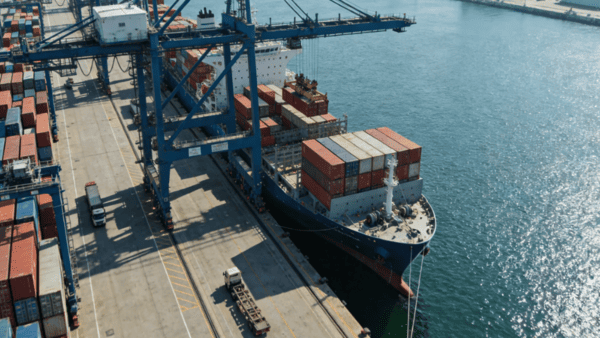
Adopt route-classified adjustment strategies: Implement moderate targeted rate increments for routes covering policy-upgraded ports, and maintain stable pricing for routes without policy changes to balance operational profitability and market competitiveness.
Negotiate detailed cost breakdowns with carriers: Require cooperative carriers to provide itemized lists of policy-based cost increments and explicit rate adjustment bases to avoid unreasonable pricing growth beyond Port Charge Policy specifications.
Reserve flexible policy linkage clauses: Add adaptive adjustment clauses in renewed annual contracts to cope with potential mid-term Port Charge Policy revisions, reducing modification risks during contract execution cycles.
How to retain client cooperation stability during policy-compliant rate adjustment?
Balancing sustainable client cooperation and policy-mandated freight rate adjustment serves as a vital capability for forwarders to maintain steady operation amid iterative maritime policy environments.
A common mistake is applying unified rate increments for all clients without differentiated hierarchical management, which may drive long-term cooperative clients to adjust their supply chain cooperation layouts due to inconsistent cost fluctuations.
Share transparent policy evidence with clients: Proactively provide clients with official Port Charge Policy revision announcements and objective incremental cost data, helping clients recognize the policy-driven nature of rate adjustments and reduce cooperative resistance.
Implement phased adjustment for core clients: For long-term high-volume cooperative clients, adopt phased small-amplitude rate adjustments within contract cycles to ease short-term cost pressure and sustain stable partnership relations.
Optimize comprehensive service value output: While adjusting contractual freight rates, upgrade supporting services including customs clearance efficiency, cargo tracking transparency, and exception handling response speed to enhance overall client service value.
Sign standardized supplementary agreements: For key client cooperation projects, sign policy linkage supplementary contracts to clarify rate adjustment trigger conditions and execution standards for future port policy revisions, standardizing long-term cooperation processes.
What long-term layouts help adapt to continuous Port Charge Policy iterations?
Short-term targeted contractual rate adjustments address single-batch policy revisions, while systematic long-term operational layouts enable forwarders to adapt to continuous iterations of infrastructure-focused Port Charge Policy and sustain steady profit levels.
Forwarders should note that global port infrastructure investment and supporting charge policy updates will remain continuous trends in modern maritime logistics, making proactive adaptive layout necessary for stable long-term business development.
Establish real-time port policy monitoring mechanisms: Arrange dedicated personnel or deploy digital management tools to track policy updates of mainstream global ports, realizing early warnings of cost changes and reserving sufficient preparation time for contract renewal and rate adjustment.
Diversify route and port resource layouts: Enrich cooperative port and route resources appropriately, avoiding excessive business concentration in regions with frequent policy revisions and high infrastructure charge levels to disperse regional cost fluctuation risks.
Standardize internal dynamic cost accounting: Incorporate port infrastructure funding charges into daily cost accounting systems, build dynamic profit margin monitoring models, and support data-driven contractual pricing decision-making.
Participate in industry policy communication channels: Join professional maritime logistics industry organizations to participate in port policy discussion and feedback activities, grasping policy revision trends in advance and optimizing long-term contract and route layouts.
As global port infrastructure construction continues to advance and regional maritime regulatory systems become more refined, dynamic and compliant adjustment of annual ocean contract freight rates based on the latest Port Charge Policy acts as one of the essential operational capabilities for modern global freight forwarders. Rational policy alignment, precise cost accounting, and flexible client management mechanisms help mitigate pricing conflicts brought by infrastructure funding charge revisions, supporting forwarders in maintaining steady profit performance and market competitiveness within the evolving global shipping industry.

Last
Passing strict maritime safety audits by enforcing rigorous Dangerous Goods chemical packaging and transportation Policy
A robust and compliant Dangerous Goods Transportation Policy serves as the foundational framework for global freight forwarders to
Next
Preventing terminal billing errors by auditing carrier invoices against the official Marine Port Terminal Handling Charge Policy
The official marine port terminal handling charge policy acts as the authoritative regulatory benchmark for all port service billi
