Preparing for compliance using a reliable eu ets shipping carbon allowance eua purchase guide for 2026
Freight Policy
 16-Jun-2026
A reliable EU ETS (EUA) Shipping Carbon Allowance Purchase Guide 2026 supports global freight forwarders in adapting to full-scale maritime carbon compliance reforms across European shipping corridors. As the European Union Emissions Trading System completes phased maritime sector integration, logistics intermediaries face updated quota obligations, shifting cost frameworks, and refined regulatory timelines that reshape cross-border shipping operational protocols.
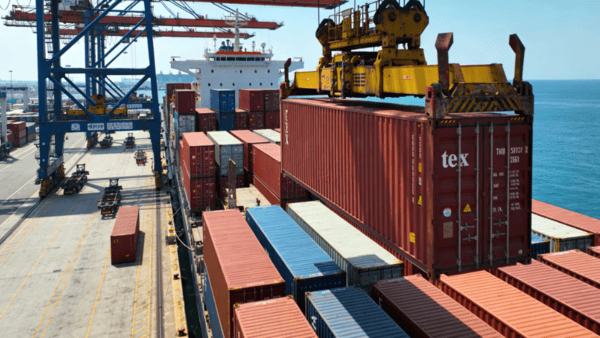
What Does Full 2026 EU ETS Maritime Compliance Mean for Global Forwarders?
Full 2026 EU ETS maritime compliance refers to mandatory carbon quota settlement for all eligible shipping emissions linked to EU jurisdictions, marking the conclusion of the sector’s multi-year transitional integration phase. According to UNCTAD 2025 maritime regulatory reports, the 2026 policy iteration withdraws partial emission exemption clauses, requiring full accountability for regulated greenhouse gas outputs from commercial vessels operating within EU and EEA waters.
This regulatory transition constitutes a core operational and commercial adjustment for global freight forwarding enterprises. In contrast to previous transitional cycles with partial emission coverage rules, the current compliance framework requires rigorous emission calculation, timely EUA procurement, and standardized documentation for every eligible vessel voyage connected to EU port facilities.
Forwarders that fail to upgrade internal compliance workflows may encounter carrier contractual disputes, statutory regulatory penalties, and weakened market competitiveness on European trade routes. The shift redefines compliance responsibilities across the entire maritime logistics chain, rather than limiting obligations to vessel owners alone.
Forwarders should note that freight intermediaries bear indirect legal liability for inaccurate voyage emission reporting and delayed quota settlement within cross-border service agreements. Carbon compliance clauses have become common provisions in international forwarding contracts, turning proactive EUA purchase planning into a standard professional service component for global logistics providers.
Why Forwarders Need a Dedicated 2026 EUA Purchase Strategy
A structured 2026 EUA purchase strategy assists freight forwarders in stabilizing shipping operational costs, mitigating regulatory non-compliance risks, and maintaining transparent client pricing amid evolving EU carbon market dynamics. Progressive full-scale maritime emission coverage has heightened EUA price volatility, with unplanned quota procurement serving as a prevalent cause of profit compression for global logistics firms.
According to Freightos Baltic Index (FBX) early 2026 quarterly statistical data, carbon compliance charges have become a routine component of overall European container freight pricing, accounting for 3.2 percent of average freight costs on EU inbound and outbound trading lanes. Enterprises without systematic EUA procurement planning struggle to deliver stable long-term contract quotations, which may lead to reduced client cooperation opportunities and narrower profit margins.
A common mistake is classifying EUA procurement as a reactive end-of-cycle administrative task rather than a proactive strategic logistics operation. A large number of global forwarding teams rely entirely on carrier-led quota settlement services, which feature opaque pricing mechanisms and implicit service markup fees in most commercial scenarios.
In the current full-compliance regulatory environment, over-reliance on third-party procurement channels increases operational uncertainty and reduces corporate control over cross-border logistics cost structures. Irregular purchasing timing also exposes enterprises to market fluctuations.
Historical market data covering 2024 to early 2026 indicates EUA spot prices have fluctuated between 48 and 62 euros per ton of carbon dioxide equivalent. Such price variations create notable cost discrepancies for forwarding businesses without formalized fixed-price procurement frameworks, reinforcing the value of targeted strategic planning.
Which Shipping Activities Fall Under 2026 EU ETS EUA Obligations?
The 2026 EU ETS maritime regulatory framework establishes clear jurisdictional boundaries for shipping activities requiring EUA settlement, covering mainstream commercial vessel operations connected to EU and EEA port territories. Updated policy revisions eliminate transitional loopholes that applied in earlier implementation cycles.
Intra-EU port voyages: All commercial vessel trips between EU or EEA member state ports require full emission coverage and corresponding EUA settlement. The regulation applies to container and general cargo vessels exceeding 5,000 gross tons, with no tonnage-based exemptions for routine commercial operations.
Extra-EU inbound and outbound voyages: All shipping routes between non-EU ports and EU destinations require complete carbon quota settlement. This rule replaces the 50 percent partial emission calculation standard enforced during the 2024–2025 transitional period.
Port stationary emission activities: Vessel idling, cargo loading, cargo unloading, and auxiliary engine operation within EU port boundaries are fully incorporated into emission monitoring protocols and mandatory EUA settlement scopes.
Extended greenhouse gas coverage: In addition to carbon dioxide emissions, the 2026 framework includes methane and nitrous oxide generated by maritime fuel combustion, broadening the emission calculation scope for comprehensive compliance management.
Forwarders should note that minor operational activities exempted from carbon regulation in transitional years are now fully supervised under the updated rules. Enterprises need to upgrade voyage data recording and emission statistics workflows to avoid incomplete reporting.
Any omission of regulated operational activities may result in incomplete emission reports and insufficient EUA holdings, which can generate formal non-compliance records from EU maritime regulatory authorities.
How to Calculate Accurate EUA Quota Demand for 2026 Shipping Operations?
Precise 2026 EUA quota demand calculation depends on standardized voyage data collection, official carbon conversion methodologies, and timely updates of EU ETS maritime regulatory parameters. Scientific calculation frameworks form the foundational basis for cost-efficient EUA procurement and consistent regulatory compliance.
Collect complete voyage operational data: Gather structured records of vessel gross tonnage, navigation distance, fuel consumption volume, route jurisdiction attributes, and port stay duration for all EU-connected shipping tasks. According to UNCTAD 2025 maritime compliance guidelines, comprehensive data collection minimizes statistical deviations in emission calculation.
Adopt official emission conversion coefficients: Deploy the latest EU ETS maritime carbon conversion factors released for the 2026 compliance cycle to convert fuel consumption data into standardized carbon dioxide equivalent emissions. Outdated coefficient sets may lead to inaccurate quota demand estimation.
Deduct eligible exemption volumes legally: Screen emission data for officially recognized exempt activities in strict alignment with EU regulatory texts. Exemptions are limited to emergency navigation and military auxiliary shipping, with no allowances for commercial freight operations.
Reserve flexible quota buffers: Allocate a 5 to 8 percent excess EUA reserve based on total annual calculated demand. This buffer covers unplanned voyage adjustments and minor statistical errors, reducing the risk of quota shortages during annual settlement cycles.
The recommended approach is one of the commonly adopted industry practices: building a centralized cloud-based data management system to synchronize global voyage data in real time. This framework enables dynamic adjustment of EUA demand throughout the full compliance year.
Traditional manual spreadsheet statistics struggle to adapt to frequent route adjustments in modern freight forwarding businesses, which may cause calculation delays and data inconsistencies that hinder compliant quota procurement.
What Are the Formal 2026 EUA Purchase Channels for Global Forwarders?
Global freight forwarders can access multiple regulatory-compliant EUA purchase channels updated for the 2026 EU ETS maritime compliance cycle. Authorized official trading platforms ensure quota legitimacy, transaction traceability, and valid compliance recognition for maritime emission settlement.
EU official auction platforms: Participate in scheduled EUA auction events hosted by the European Energy Exchange. This channel provides standardized quota sources with full regulatory recognition and stable compliance validity, often used by forwarders with steady annual shipping throughput and long-term procurement plans.
Regulated secondary carbon exchanges: Execute spot and forward EUA transactions on EU-authorized carbon trading platforms. The flexible transaction mechanism adapts to seasonal shipping volume fluctuations and emergent compliance quota demands.
Licensed institutional intermediaries: Source verified EUA quotas through EU-qualified carbon trading institutions. Qualified intermediaries deliver supporting services including demand auditing, transaction execution, and compliance documentation sorting.
A common mistake is purchasing low-cost unregulated offshore EUA quotas through informal transaction channels. Such quota assets fail official regulatory verification and cannot be applied to maritime emission settlement, potentially triggering compliance failures and administrative penalties.
How to Optimize 2026 EUA Purchase Timing and Cost Control?
Reasonable EUA purchase timing and structured cost control frameworks help forwarders reduce carbon compliance expenditures while maintaining consistent regulatory adherence during the 2026 full-implementation cycle. Strategic phased procurement delivers more stable cost outcomes than passive one-time end-of-cycle settlement purchases.
Adopt phased batch procurement: Split annual EUA quota demand into quarterly or monthly batch purchasing arrangements. This method averages out short-term market price fluctuations and avoids concentrated procurement during high-price periods before compliance deadlines.
Lock long-term fixed-price contracts: Sign fixed-price EUA procurement agreements for stable annual shipping throughput. This practice hedges against potential future carbon market price surges and supports predictable long-term logistics cost budgeting for corporate clients.
Monitor real-time market indicators: Track EU carbon market supply-demand dynamics, policy update announcements, and FBX maritime freight index variations to identify favorable time windows for supplementary quota procurement.
Align procurement with settlement cycles: Complete formal EUA procurement procedures 30 to 45 days prior to official annual settlement deadlines. This timeline reserves sufficient time for data cross-verification and quota account registration to prevent delayed compliance submission.
Forwarders should note that cost optimization initiatives must align with standardized compliance requirements. Overly aggressive cost-cutting measures, such as insufficient quota reservation or delayed procurement execution, may trigger regulatory penalties that offset potential operational cost savings.
What Common Compliance Risks Must Forwarders Avoid in 2026?
The 2026 full-scale EU ETS maritime compliance framework introduces distinct risk factors compared to earlier transitional implementation stages. Forwarders need to upgrade internal compliance management systems and rectify conventional operational loopholes to sustain regulatory adherence.
Incomplete voyage emission data filing: Neglecting port stationary emissions and short-distance intra-EU voyage data leads to underreported total carbon output and inadequate EUA settlement, generating formal non-compliance records.
Invalid quota source usage: Applying non-maritime carbon credits or unrecognized quota assets for shipping emission settlement results in settlement rejection and additional operational rectification costs.
Delayed account registration and data submission: Failure to complete Thetis-MRV system data synchronization and annual emission report submission within official time windows activates statutory penalty mechanisms stipulated in EU ETS maritime regulations.
Unreasonable cost transfer disputes: Ambiguous carbon compliance liability clauses in client and carrier contracts may trigger economic disputes and damage long-term cooperative logistics partnerships.

The recommended approach is to launch monthly internal compliance audits focusing on EUA procurement workflows and emission data management. Regular internal inspections support timely error correction and eliminate latent compliance risks ahead of official regulatory reviews.
As maritime carbon regulation enters a mature full-implementation phase, global freight forwarders rely on standardized compliance workflows and systematic management tools to stabilize cross-border logistics operations. A professional and updated EU ETS (EUA) Shipping Carbon Allowance Purchase Guide 2026 serves as a core reference for forwarders to mitigate compliance risks, optimize carbon-related operational costs, and maintain stable market performance within European maritime trade networks.

Last
Preventing digital ocean bill fraud across platforms by adopting unified global data exchange structures for eBL system interoperability standards
Global eBL Interoperability Standardsserve as the foundational regulatory and technical framework that unifies cross-platform data

Next
Optimizing asia europe routes leveraging a 2026 eua shipping carbon allowance purchase guide for eu ets cost control
Cross-border freight providers can stabilize lane profitability and standardize carbon expenditure management by adopting a struct
