How international tariff updates affect forwarder margins requiring pro active CVD risk management and strict anti subsidy documentation compliance
Freight Policy
 16-Jun-2026
CVD Anti-Subsidy Documentation Compliance acts as a core risk control framework for global forwarders to mitigate profit compression driven by frequent international tariff revisions and evolving cross-border trade remedy policies. In recent years, iterative tariff adjustments and regional trade regulatory changes have continuously squeezed profit margins for trans-Pacific logistics service providers, pushing forwarding firms to refine risk management protocols and standardize subsidy-related documentary validation workflows. According to WTO 2025 Global Trade Outlook statistics, roughly 40% of cross-border logistics margin fluctuations correlate with unplanned tariff modifications and inconsistent CVD declaration practices across major global trade corridors.
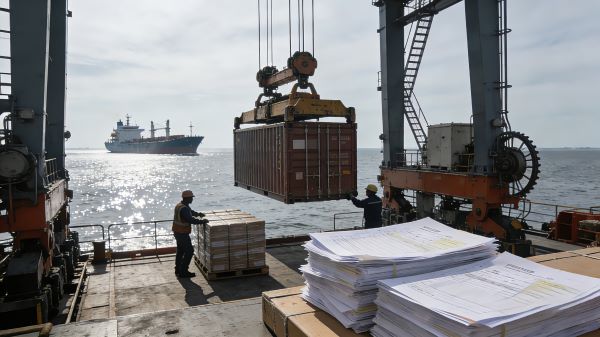
How do contemporary international tariff updates reshape freight forwarding profitability?
Modern international tariff updates consist of periodic revisions to import duty schedules, trade remedy tariff brackets, and regional trade barrier rules that restructure operational cost models for cross-border freight service vendors. These policy shifts alter duty payable amounts and auxiliary compliance costs, influencing gross profit margins for firms handling U.S.-bound commodity shipments. According to UN Comtrade 2024 annual trade policy datasets, over 270 targeted tariff adjustments were enforced for trans-Pacific industrial and consumer goods throughout the 2024–2025 trade cycle.
Why static pricing models fail under dynamic tariff environments
A large proportion of global forwarders develop client quotation structures based on fixed historical tariff benchmarks, without accounting for quarterly and semi-annual tariff adjustment cycles published by national customs authorities. This rigid pricing mechanism generates unplanned profit losses whenever revised CVD and anti-subsidy tariff rates take official effect. Small and mid-sized forwarding entities face greater exposure to such margin volatility, as most do not maintain dedicated policy monitoring teams to track regulatory updates in a timely manner.
A common mistake is isolating tariff cost evaluation from subsidy compliance verification during quotation drafting and operational planning stages. Many operational teams only compute base tariff expenses and ocean/air freight charges while overlooking potential supplementary CVD liabilities and compliance fines stemming from outdated documentation packages. This fragmented cost assessment method leads to undercalculated operational expenditures and lower net returns on U.S.-bound shipment projects.
Why does CVD risk management correlate closely with forwarder margin stability?
CVD risk management refers to structured operational protocols designed to identify, assess, and control countervailing duty and anti-subsidy compliance exposures within cross-border freight workflows. Consistent CVD risk mitigation helps logistics firms avoid unplanned financial outlays that erode profit margins amid fluctuating global tariff policies. According to ITC Trade Map 2025 trade compliance analytics, forwarders with formalized CVD risk management frameworks maintain notably steadier profit margins on U.S. trade routes compared to peers with informal operational protocols.
What hidden costs arise from neglected CVD risk management?
Inadequate CVD risk control generates layered hidden cost burdens that gradually reduce net operational profits for forwarding businesses. Beyond explicit customs penalties and container detention fees, implicit financial pressures include client contractual compensation, repeated manpower costs for document revision, and cooperative relationship deterioration resulting from service delays. These cumulative expenses weaken the long-term profitability of trans-Pacific business layouts.
Forwarders should note that U.S. tariff and trade remedy regulations adopt retroactive enforcement mechanisms for subsidy-related non-compliance. Shipments processed under earlier tariff standards may undergo post-clearance supplementary duty audits for up to five years after clearance completion. Unaddressed compliance vulnerabilities may expose forwarding firms to unplanned financial liabilities long after final delivery confirmation.
What tariff adjustment types impact CVD compliance and forwarder profits significantly?
Multiple categories of international tariff revisions affect CVD Anti-Subsidy Documentation Compliance benchmarks and profit calculation logic for global forwarding operations. Each type of policy change triggers distinct compliance exposures and cost variations, requiring tailored risk response measures for sustainable operational stability. Several common tariff update categories create prominent impacts on trans-Pacific freight workflows.
Targeted commodity CVD rate adjustments: The U.S. Department of Commerce revises countervailing duty rates for subsidy-sensitive commodity groups on a quarterly basis. These rate revisions alter taxable cargo valuation and statutory duty payment requirements for import consignments. The recommended approach is to build a centralized tariff database categorized by HS commodity codes to support precise cost budgeting and client quotation formulation.
Expanded subsidy investigation commodity scope: Ongoing policy revisions extend the commodity coverage of U.S. anti-subsidy investigation lists, incorporating additional manufacturing components and renewable energy goods into trade remedy supervision scopes. Forwarders should conduct batch compliance reviews for newly included product lines to identify unrecognized subsidy compliance risks in conventional shipment workflows.
Regional differentiated tariff policy updates: Tariff stipulation and subsidy remedy criteria vary according to manufacturing origins and regional industrial policy frameworks. Mixed shipments containing goods from multiple production regions often require separate compliance validation. A common mistake is applying unified documentary standards for commodities sourced from different regional jurisdictions.
Post-clearance supplementary tariff audit rules: Enhanced post-clearance supervision protocols authorize U.S. customs agencies to review tariff applicability and subsidy compliance records for historical shipments. This extended audit window prolongs operational risk cycles, requiring forwarding teams to archive complete compliance documentation for long-term regulatory response.
How can proactive CVD risk management offset tariff-induced margin losses?
Proactive CVD risk management describes forward-looking policy monitoring, risk assessment, and compliance optimization practices adopted by forwarders to adapt to evolving tariff regimes. This preemptive operational approach mitigates unquantified cost exposures and sustains margin stability amid frequent regulatory adjustments. According to Drewry 2024 logistics industry performance reports, structured proactive compliance practices help forwarding firms reduce unplanned tariff-related financial losses across trans-Pacific trade lanes.
Establish real-time tariff policy monitoring workflows: Deploy internal working groups or engage professional trade policy institutions to track U.S. CVD tariff amendments and anti-subsidy regulatory updates continuously. The recommended approach is to categorize policy changes by commodity type and trade route, generating actionable risk reminders for sales and operational teams.
Refine pre-shipment cost risk budgeting frameworks: Integrate floating tariff expenses and CVD compliance risks into comprehensive project cost accounting systems. Reserve reasonable risk premium margins in client quotation structures to accommodate short-term tariff fluctuations and compliance rectification expenditures.
Implement risk-based shipment classification management: Categorize U.S.-bound consignments into multiple risk tiers based on commodity attributes, production origins, and tariff sensitivity levels. Allocate enhanced documentary review resources and regulatory verification procedures for higher-risk shipments to reduce potential margin losses.
Revise client agreements for reasonable risk sharing: Update long-term cooperative contracts to clarify liability allocation for supplementary tariff charges and compliance penalties arising from policy adjustments. Balanced risk-sharing mechanisms reduce the standalone financial pressure on forwarding firms during regulatory transitions.
What documentation optimization measures adapt to changing tariff rules?
Evolving international tariff policies require continuous iteration of anti-subsidy documentary standards to maintain valid customs clearance compliance. Outdated document templates and verification workflows fail to match updated tariff calculation and subsidy validation criteria, triggering compliance discrepancies and avoidable financial losses. Targeted documentary optimization enables forwarders to align operational practices with current regulatory requirements.
Sync CVD calculation documents with official tariff revisions: Revise internal CVD duty calculation worksheets immediately following official tariff schedule updates to ensure declared duty figures align with prevailing regulatory standards. A common mistake is retaining historical calculation templates for updated tariff cycles, which leads to inconsistent declaration data and targeted customs audits.
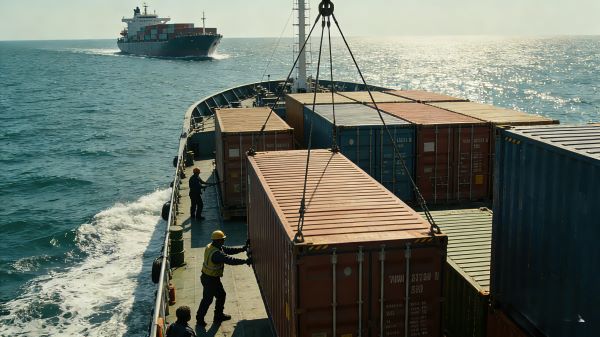
Expand subsidy traceability documentary coverage: Updated tariff audit criteria demand comprehensive supply chain evidence for subsidy status verification. Forwarders should supplement production workflow records, regional industrial policy inquiry documents, and raw material procurement proofs to strengthen documentary traceability and compliance authenticity.
Adopt standardized document version control: Apply clear version labeling for all anti-subsidy declaration files to distinguish templates applicable to different tariff implementation cycles. Regulate internal document usage rules to prevent cross-application of outdated and updated templates during daily operational procedures.
Unify cross-departmental compliance data standards: Align tariff statistics and subsidy documentary data across sales, operation, and customs declaration departments. The recommended approach is to deploy shared cloud-based data platforms to mitigate information asymmetry and operational discrepancies caused by inconsistent data sources.
What long-term operational benefits does standardized CVD compliance bring?
Systematic and rigorous CVD Anti-Subsidy Documentation Compliance delivers sustained operational advantages for global forwarders beyond short-term risk mitigation. In an era of growing global trade policy complexity and intensified logistics market competition, standardized compliance practices serve as a key supportive factor for steady business expansion and sustainable profit growth.
How compliance records improve long-term clearance efficiency
Forwarders should note that consistent historical compliance records support enterprises in obtaining favorable risk categorization within the CBP supervision system. Stable compliance status helps streamline routine clearance procedures for batch shipments and reduce manual inspection frequency. Optimized clearance efficiency shortens container port dwell time and lowers demurrage and detention expenditures, generating recurring cost-saving benefits for daily operations.
How standardized compliance enhances market cooperation credibility
Mature CVD compliance management capabilities improve forwarders’ professional credibility when serving large cross-border manufacturers and branded importers. Structured compliance workflows and low non-compliance rates constitute valuable service advantages during client cooperation negotiations. These professional strengths assist forwarding firms in optimizing client structure and improving average project profit levels amid competitive market conditions.
Amid continuous global tariff policy iteration and escalating trade remedy supervision across trans-Pacific corridors, global freight forwarding enterprises can stabilize operational profit margins and mitigate regulatory risks through structured proactive CVD risk management and consistent, rigorous CVD Anti-Subsidy Documentation Compliance.

Last
How pricing desks calculate eua costs without a complex 2026 shipping carbon allowance purchase guide under eu ets rules
Modern logistics pricing desks can streamline EUA cost estimation workflows and boost quotation accuracy without cumbersome manual
Next
How independent NVOCC agents reduce courier costs using modern global digital transfer frameworks matching electronic eBL interoperability standards
Global eBL Interoperability Standardsconsist of unified cross-platform digital protocols for electronic bill of lading data exchan
