How automated compliance software reduces background check overheads while maintaining strict OFAC shipping regulatory sanctions compliance in maritime logistics
Freight Policy
 16-Jun-2026
OFAC Sanctions Compliance in Logistics imposes substantial operational pressure on maritime freight forwarders, as traditional manual background verification workflows generate excessive administrative overhead, operational errors, and procedural loopholes amid evolving international trade regulatory frameworks.
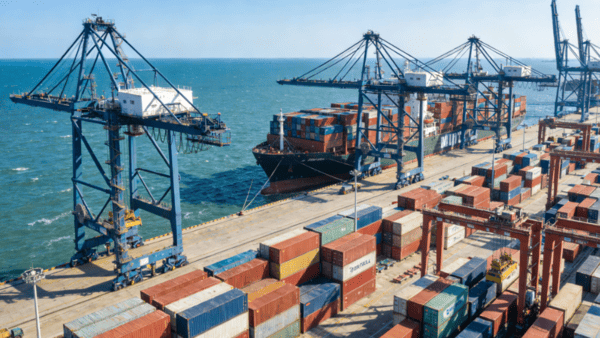
Why do manual OFAC compliance checks create high operational overheads in maritime logistics?
Manual OFAC compliance checking describes labor-intensive verification workflows that rely on staff to screen shipment stakeholders and validate trade data without intelligent system support. This conventional operational model increases repetitive workloads and inconsistent compliance outcomes for maritime logistics providers.
Modern maritime freight transactions involve multi-party collaboration across shippers, consignees, ocean carriers, customs brokers, and regional subcontract logistics providers. Each participating entity requires independent sanctions list verification, identity authentication, and transaction risk evaluation. Manual cross-checking through spreadsheets and manual comparison consumes extensive working hours for medium and large forwarding teams during routine order processing.
According to UNCTAD 2024 maritime operational efficiency research, conventional manual OFAC screening activities occupy 38 percent of daily working hours for in-house compliance teams at global freight forwarding firms. Continuous repetitive verification tasks limit resource allocation for strategic risk management and business expansion while lifting long-term labor operational costs.
A common mistake is that many mid-tier maritime forwarders categorize manual compliance labor expenses as fixed operational costs. These enterprises often overlook indirect financial losses stemming from human error, including regulatory penalties, container detention charges, and client compensation claims linked to undetected sanctions risks.
Forwarders should note that manual verification consistency tends to weaken during peak shipping cycles. Rapid order volume surges compel compliance teams to accelerate review procedures, which raises the likelihood of overlooking newly updated OFAC listings and moderate-risk transaction parties in cross-border maritime shipments.
What core limitations restrict manual OFAC screening workflows in maritime operations?
Traditional manual OFAC screening workflows feature rigid operational logic, delayed data updates, and error-prone judgment mechanisms that struggle to match dynamic OFAC policy adjustments and complex maritime supply chain scenarios.
Unsynchronized sanctions database updates: Most manual compliance teams conduct centralized OFAC list updates on weekly or monthly cycles, which cannot align with real-time official database iterations. Entities added to sanctions lists between manual updates may evade procedural reviews and introduce latent violation risks for maritime shipment transactions.
Limited fuzzy matching and alias recognition: Manual verification processes primarily support exact name matching and lack systematic identification for alternative enterprise names, abbreviations, and modified residential or corporate addresses. This operational constraint leaves numerous high-risk sanctioned parties undetected in global maritime trade networks.
Decentralized compliance record management: Manual screening documents are stored across local devices and scattered employee files without unified classification or cloud backup architecture. Disorganized record retention slows data retrieval during official OFAC compliance audits and regulatory inquiries.
Inconsistent risk assessment criteria: Manual risk judgment depends on individual staff experience rather than standardized quantitative indicators. Different compliance personnel may deliver divergent evaluation results for identical shipment profiles, leading to irregular internal compliance governance.
Inefficient manpower resource allocation: Low-risk routine shipments consume a large proportion of compliance manpower resources. Meanwhile, high-value and high-complexity cross-border transactions receive insufficient focused review, resulting in imbalanced risk prevention resource distribution.
The recommended approach is to phase out full manual screening mechanisms for long-term maritime business governance. Forwarders can deploy intelligent compliance tools to standardize verification workflows and optimize manpower allocation for core risk management tasks.
How does automated compliance software streamline background verification workloads?
Automated OFAC compliance software refers to industry-specific intelligent systems that deliver full-stakeholder screening, real-time regulatory data synchronization, and hierarchical risk classification to minimize manual intervention in logistics compliance workflows.
Real-time official database synchronization: Professional compliance platforms maintain direct data interfaces with official OFAC databases, enabling hourly synchronization for the SDN List and sectoral sanctions datasets. This function eliminates manual data collection and sorting work, reducing basic administrative workloads.
Batch multi-order screening functionality: Automated systems support simultaneous verification for dozens of transaction stakeholders and bulk order processing. Workloads that require multiple hours of manual operation can be completed within several minutes, improving overall operational throughput.
Hierarchical risk filtering mechanisms: Intelligent algorithms categorize shipment cases into low-risk, medium-risk, and high-risk levels. Standard low-risk orders receive automatic clearance, while only abnormal cases require manual secondary review, streamlining redundant verification steps.
Centralized electronic record archiving: All screening logs, risk evaluation reports, and compliance decision records are automatically stored in standardized cloud directories. This mechanism removes manual file sorting work and improves audit response efficiency for regulatory inspections.
Algorithm-driven alias identification: Embedded logistics-focused matching algorithms identify variant entity names, address modifications, and common aliases used by sanctioned parties. This technical capability reduces omission risks and secondary inspection costs associated with manual verification limitations.
According to Drewry 2025 global freight technology research, maritime logistics enterprises adopting automated compliance platforms reduce manual background screening workloads by approximately 52 percent on average. Released manpower resources can be redirected toward strategic compliance planning and client advisory services.
Can automated systems sustain qualified OFAC compliance levels for maritime shipping?
Modern automated compliance systems support consistent, standardized OFAC regulatory compliance by reducing human interference and aligning operational logic with official sanctions rules for maritime logistics scenarios.
Some industry practitioners hold conservative attitudes toward intelligent compliance tools, expressing concerns about unaddressed system loopholes that may compromise risk control quality. In practice, reputable logistics compliance software develops operational rules based on official OFAC guidelines and maritime trade characteristics, delivering consistent judgment standards that reduce subjective human errors.
A common mistake is prioritizing operational speed without maintaining regular system rule iteration. Low-cost static compliance tools fail to synchronize with ongoing OFAC policy revisions, which may result in non-compliant operations despite automated workflow execution.
Forwarders should note that mature automated compliance software supports customizable rule configuration. Compliance teams can adjust screening thresholds and risk alert sensitivity based on trade lane risks, commodity categories, and regional regulatory requirements to achieve scenario-based precise compliance management.
According to Freightos Baltic Index 2024 industry benchmark data, enterprises operating updated automated OFAC compliance systems maintain consistent screening reliability. Structured algorithm-based verification reduces human oversight and stabilizes compliance performance compared with conventional manual team operations across high-volume maritime shipment scenarios.
What deployment practices optimize automated compliance system utilization?
Standardized deployment and daily operational management of automated compliance tools help forwarders balance cost reduction and stable OFAC compliance performance in maritime logistics businesses.
Scenario-matched functional configuration: Enterprises can select compliance systems equipped with maritime-oriented modules, including vessel transit route sanctions checking, restricted commodity verification, and overseas subcontractor risk monitoring functions.
Scheduled system rule iteration: Establishing monthly system review mechanisms ensures embedded algorithms align with the latest OFAC list updates and policy adjustments, preventing compliance gaps caused by outdated operational rules.
Structured man-machine collaboration workflows: Forwarders can adopt a dual verification model with automated preliminary screening and manual secondary review. Intelligent systems handle full-volume basic checks, while professional compliance staff focus on complex high-risk transaction validation.
Regular team operational training: Organizing periodic system operation training for business and compliance teams improves staff proficiency in alert judgment, data query, and exception handling, maximizing system operational value.
Optimized manpower resource restructuring: Human resources saved through automated screening can be reassigned to internal compliance system optimization, risk trend analysis, and client compliance consulting to upgrade team operational value.
The recommended approach is to build a balanced man-machine collaborative compliance framework instead of full automation or complete manual reliance. This operational model supports controllable operational costs while sustaining stable long-term regulatory compliance capabilities.
What long-term operational values do automated compliance systems bring to maritime forwarders?
Automated OFAC compliance governance delivers continuous cost optimization, stable risk control, and improved market credibility for maritime logistics enterprises amid tightening global trade regulatory environments.
From a cost management perspective, intelligent compliance systems lower repetitive labor expenditures and reduce financial losses linked to human errors, including regulatory penalties and cargo detention expenses. Standardized automated workflows stabilize daily compliance operations and cut irregular operational risk costs.

From a risk control perspective, real-time dynamic screening covers the entire shipment lifecycle from booking to delivery and post-transaction review. This continuous monitoring mechanism compensates for the time delays and omission vulnerabilities inherent in periodic manual verification workflows.
From a market cooperation perspective, systematic and intelligent compliance management has become one of the common evaluation indicators for multinational cargo owners and large ocean carriers. Forwarders with mature automated compliance frameworks can strengthen their market competitiveness in global maritime trade cooperation.
A common mistake is categorizing automated compliance system investment as short-term one-time expenditure. In practice, intelligent compliance tools deliver cumulative operational benefits, with marginal compliance management costs declining gradually as business scales and regulatory rules iterate.
Amid evolving international trade regulatory standards and rising global labor costs, automated compliance software serves as a reliable operational tool for cost optimization and risk mitigation, enabling sustainable and standardized OFAC Sanctions Compliance in Logistics for global maritime freight forwarding enterprises.
Last
How international logistics systems automate data integration matching the local cross border trading E-commerce 9810 state Tax Rebate Policy
The Cross-border E-commerce “9810” Tax Rebate Policy places strict requirements on standardized and consistent business data for c
Next
Mapping safe middle east carrier routes backed by certified legal auditing for OFAC trade restrictions and sanctions compliance in freight logistics
OFAC Sanctions Compliance in Logistics creates ongoing operational complexities for forwarders managing middle east trade lanes, a
