P&I Clubs Tighten Red Sea War-Risk Cover Again as Excluded Areas Expand from August 16
Freight Knowledge
 18-Aug-2026
Shipping risks in the Red Sea are once again affecting the insurance market. Several international protection and indemnity clubs (P&I Clubs) have recently revised their war-risk cover arrangements for the Red Sea, the Gulf of Aden, and parts of the western Indian Ocean, with multiple changes taking effect on August 16. The revisions apply to parts of the Red Sea south of latitude 25°30′N and extend the areas excluded from war-risk cover to the Bab el-Mandeb Traffic Separation Scheme, waters off Yemen, and parts of Saudi Arabia’s Red Sea coastline. These changes in the insurance market have renewed concerns over operating costs and transit arrangements on Red Sea routes.
Key Highlights
• Effective August 16: Multiple P&I Clubs have revised war-risk cover for parts of the Red Sea.
• Excluded area expanded: The affected area has been extended northward to latitude 25°30′N.
• Bab el-Mandeb affected: The key waterway connecting the Red Sea and the Gulf of Aden is now subject to stricter insurance conditions.
• Some cover remains negotiable: Cover for certain risks may still be arranged through additional premiums or other negotiated terms.
• Rerouting risks increase: If the situation in the Red Sea deteriorates further, diversions around the Cape of Good Hope could increase again.
Multiple P&I Clubs Tighten War-Risk Cover
The latest changes are not limited to a single insurer. NorthStandard, UK P&I Club, The Swedish Club, London P&I, and several other international P&I Clubs have recently issued notices revising war-risk cover arrangements for the Red Sea and surrounding waters. The changes mainly affect commercially reinsured war-risk cover, including fixed-premium P&I war-risk cover, charterers’ liability insurance, and certain extended and additional insurance products.
It is important to note that tighter war-risk cover does not mean that P&I insurance has been withdrawn entirely from the Red Sea. Cover for some voyages may still be available through additional premiums or separately negotiated arrangements, depending on the vessel, voyage, and the insurer’s risk assessment. For shipowners and charterers arranging Red Sea voyages, insurance conditions are becoming an increasingly important factor in route selection.
Red Sea High-Risk Area Expands Further
Compared with previous restrictions focused mainly on southern waters, one notable feature of the latest revisions is the northward expansion of the excluded area. Parts of the Red Sea south of latitude 25°30′N have been brought within the revised boundaries, together with additional waters along Saudi Arabia’s western coast. The Bab el-Mandeb Traffic Separation Scheme is also affected.
The Bab el-Mandeb Strait is a key shipping route connecting the Red Sea, the Gulf of Aden, and the Indian Ocean, and is used by a significant number of Asia–Europe services. Following the changes to insurance cover, vessels may still be able to transit normally, but war-risk premiums, security costs, and other risk-related expenses will need to be reassessed. The revised insurance boundaries could therefore further affect carriers’ voyage planning.
Attack on Tihamah Raises Red Sea Risk Levels Again
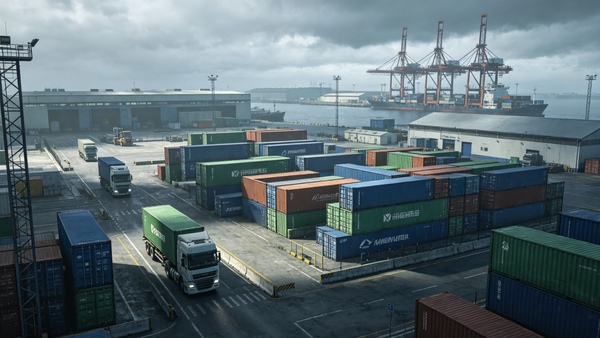
A recent attack on a merchant vessel has further heightened market concerns over security in the Red Sea. On August 11, the cargo vessel Tihamah was attacked near the Bab el-Mandeb Strait, resulting in the deaths of four crew members and two Yemeni rescue workers. Public reports indicate that this was the first Houthi attack on a merchant vessel to result in fatalities since the war involving the United States, Israel, and Iran began in late February. The Houthis claimed that the vessel was carrying Saudi military equipment, but this claim has not been independently verified.
Conditions in the Red Sea had previously shown signs of easing, and some shipping companies had reassessed the possibility of resuming services through the Suez Canal. However, the fatal attack has again changed market expectations and prompted insurers to reassess risk levels in the affected waters. The consequences may extend beyond the attack itself, as insurance costs, route selection, and schedule reliability could all face further disruption.
Red Sea Transit or Renewed Diversions Around the Cape of Good Hope?
For shipping companies, the choice between the Red Sea and the Cape of Good Hope has once again become a question of operating costs. Continuing to use the Red Sea shortens the voyage between Asia and Europe, but war-risk premiums and security costs could rise further. Expanding diversions around the Cape of Good Hope, meanwhile, would involve longer voyages, higher fuel consumption, and lower vessel turnaround efficiency.
The impact would spread further if more vessels were rerouted. A fleet of the same size would be able to complete fewer voyages, potentially reducing effective capacity on Asia–Europe routes. Previous disruptions in the Red Sea have shown that rerouting does more than simply add several days to transit times; it also changes vessel deployment and the overall capacity structure of the trade.
Insurance Costs Could Be Reflected in Ocean Freight Rates
Changes in war-risk insurance costs are unlikely to remain confined to the insurance market. As cover conditions tighten, shipowners may pass on part of the additional cost through war-risk surcharges, risk surcharges, or similar charges. If diversions around the Cape of Good Hope also increase, higher fuel, vessel operating, and time costs could be reflected in final freight rates.
The ocean freight market therefore needs to monitor not only whether normal Red Sea transits can resume, but also changes in rates, surcharges, and space availability on Asia–Europe routes. If major liner companies once again reduce the proportion of services transiting the Red Sea, longer schedules and lower effective capacity could re-emerge as market factors, potentially affecting ocean freight costs on Asia–Europe routes.
Red Sea Risks Extend from Navigational Safety to Supply Chains
Over the past two years, the Red Sea crisis has mainly been reflected in attacks on merchant vessels, service suspensions, and diversions around the Cape of Good Hope. The simultaneous revision of war-risk cover by multiple P&I Clubs indicates that these risks are now extending further into insurance and commercial operations. Security conditions, insurance costs, and route selection are becoming more directly interconnected.
The market will next need to monitor whether the areas excluded from war-risk cover are expanded further and whether shipping companies again revise their Suez Canal transit plans. If more vessels begin avoiding the Red Sea, the impact could spread from individual voyages to capacity, schedules, and ocean freight rates across Asia–Europe routes. Market participants with Red Sea-related shipments already arranged should continue to monitor near-term changes in freight rates and sailing schedules.
Sources
Official notices issued by the relevant P&I Clubs, Reuters, Splash 247, and publicly available industry information.
Disclaimer
This article has been compiled from publicly available authoritative sources and is provided solely for industry reference. The latest notices issued by the relevant organizations shall prevail with respect to specific cover conditions, war-risk insurance costs, and route arrangements.
Last
U.S. East Coast Ocean Freight Rates Near $9,000 as Iran and Oman Announce a New Transit Plan for the Strait of Hormuz-Where Are Rates Headed in the Second Half of the Year?
Changes to vessel traffic through the Strait of Hormuz continue to affect the global container shipping market. Iran recently reit
Next
Q2 2026 Container Shipping Earnings: Evergreen Earns NT$16 Billion; Wan Hai's Profit Surges 972% and Yang Ming's Rises 482%
The Asian container shipping market recorded a strong recovery in the second quarter of 2026. Taiwan’s three major container carri
