CMA CGM and MSC Revise Panama Canal Surcharges, with Rates Reaching USD 500 per TEU-Asia-U.S. East Coast Freight Forwarders Take Note
Freight Knowledge
 17-Aug-2026
Pressure on Panama Canal transit is continuing to feed through to international ocean freight costs. On August 11, CMA CGM announced that, effective September 10, 2026, its Panama Canal Adjustment Factor for cargo moving from the Far East via the Panama Canal to the U.S. East Coast and U.S. Gulf would increase to USD 500 per TEU. MSC had previously announced a charge of USD 100 per TEU. Freight forwarders worldwide should reassess both the costs and transit times on Asia–U.S. East Coast and U.S. Gulf routes.
Key Highlights
• CMA CGM to charge USD 500 per TEU from September 10: The charge applies to all cargo from the Far East via the Panama Canal to the U.S. East Coast and U.S. Gulf, excluding cargo from Bangladesh to the U.S. East Coast.
• CMA CGM previously charged USD 320 per TEU: The previous rate took effect on July 25. The latest adjustment is a further increase rather than an additional charge.
• MSC announced USD 100 per TEU: The charge will apply from August 19 to relevant cargo moving from Asia to the U.S. East Coast and U.S. Gulf.
• Canal waiting times reach 11 days: Waiting times for Neopanamax vessels have increased significantly.
• Draft limits tightened further: The maximum authorized draft will be reduced to 14.63 meters on August 26 and further lowered to 14.48 meters from September 3.
CMA CGM Raises Existing Charge from USD 320 to USD 500 per TEU
CMA CGM’s latest adjustment applies to the Far East–Panama Canal–U.S. East Coast/U.S. Gulf trade. According to the carrier’s official announcement, the Panama Canal Adjustment Factor will be set at USD 500 per TEU for all cargo from September 10, excluding cargo from Bangladesh to the U.S. East Coast.
CMA CGM had already set the Adjustment Factor at USD 320 per TEU for the same trade on July 25. The latest change is therefore an increase from USD 320 to USD 500 per TEU, rather than an additional USD 500 charge on top of the existing rate. Freight forwarders should confirm the applicable rate for shipments subject to the new standard from September 10 when preparing quotations.
Panama Canal Transit Pressure Drives Further Cost Increases
The increase comes as transit conditions at the Panama Canal remain under pressure. The Panama Canal Authority has again adjusted the maximum authorized draft for vessels using the Neopanamax Locks, marking the fourth and fifth such adjustments in 2026. The maximum authorized draft will be reduced to 14.63 meters from August 26 and further lowered to 14.48 meters from September 3 until further notice.
Vessel waiting conditions at the canal are also worsening. Citing relevant data, IAM reported that 70 booked vessels and 35 vessels without bookings were waiting to transit, with waiting times for Neopanamax vessels reaching up to 11 days. Rerouting linked to disruptions in the Strait of Hormuz has increased vessel traffic through the Panama Canal, placing further pressure on already constrained transit capacity.
Lower Draft Limits Could Affect Container Vessel Loads
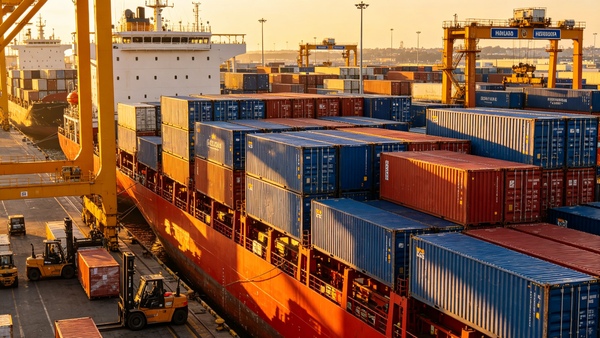
For container vessels, lower draft limits may affect the amount of cargo that can be loaded. In practical terms, vessels required to operate at a lower draft may need to reduce their cargo intake, reduce the number of containers loaded, or revise their stowage plans. Similar measures were taken during previous drought conditions at the Panama Canal, when some vessels reduced their loads or moved part of their cargo by rail to meet transit requirements.
The impact on freight forwarders may therefore extend beyond the surcharge itself. If waiting times continue to increase alongside cargo reductions, schedule adjustments, or changes in space availability, transportation costs could rise, sailing schedules could be delayed, and cargo delivery times could be extended.
MSC Introduces Its Own Surcharge as Further Carrier Adjustments Remain Possible
MSC has announced that, from the August 19 gate-in date, it will impose a Panama Canal Surcharge (PCS) of USD 100 per TEU on cargo moving from Southeast Asia, China, Korea, and Japan via the Panama Canal to the U.S. East Coast and U.S. Gulf. The charge applies to all cargo types until further notice.
Several major carriers have now adjusted charges related to Panama Canal transit. Freight forwarders should closely monitor whether other carriers follow suit and whether additional surcharges or operational adjustments are introduced on existing services. If canal transit conditions continue to deteriorate, carriers may make further changes to capacity, vessel loads, and service rotations.
Freight Forwarders Should Reassess Asia–U.S. East Coast Quotations
Freight forwarders handling Asia–U.S. East Coast and U.S. Gulf shipments should review their cost calculations for September. For long-term quotations, contract cargo, and bookings for which ocean freight rates have already been fixed with customers, it is particularly important to confirm which party will bear the new surcharge and to note that the applicable rates vary between carriers.
Actual transportation costs should not be assessed solely on the basis of the USD 500 per TEU charge. The Panama Canal is currently facing a combination of rising surcharges, longer vessel waiting times, and tighter draft restrictions. Freight forwarders handling time-sensitive cargo should allow additional transit time and promptly confirm the latest carrier schedules and canal transit arrangements.
Several upcoming dates require particular attention: MSC’s surcharge takes effect on August 19, the Panama Canal draft limit will be adjusted on August 26 and tightened further on September 3, and CMA CGM’s new USD 500 per TEU rate takes effect on September 10. If waiting times increase further and transit restrictions continue to tighten, transportation costs and schedule reliability for Asia–U.S. East Coast and U.S. Gulf shipments may face further changes.
Sources
CMA CGM, MSC, the Panama Canal Authority, IAM, and publicly available industry information
Disclaimer
This article has been compiled from publicly available information and is intended solely for reference within the international logistics industry. For specific rates, scope of application, and sailing schedules, please refer to the latest carrier announcements.
Last
RCL Container Ship Refloated After Striking Hooghly Riverbank with 483 Containers Bound for Kolkata
On August 12, local time, a container vessel was involved in an incident on the Hooghly River near Diamond Harbour in West Bengal,
Next
Fire Breaks Out Aboard Dole Colombia at Port of Wilmington, Raising Concerns Over Banana Carrier Safety
A vessel fire recently broke out at the Port of Wilmington in Delaware, United States. A fire started in the engine room of the re
