Verifying data layout accuracy before sending the electronic single terminal advance filing matching the japan afr filing requirements timeline
Freight Knowledge
 11-Jun-2026
Global freight forwarders must prioritize precise data validation to comply with the japan afr filing requirements timeline when submitting electronic single terminal advance filings for Japan-bound maritime cargo. As Japanese customs authorities continue to enforce standardized digital filing protocols for pre-arrival cargo documentation, data layout inconsistencies have become one of the common triggers of filing delays, container holds, and regulatory penalties for international logistics providers. Implementing systematic data layout verification supports smooth electronic submission, complies with official timeline mandates, and mitigates avoidable operational risks in cross-border shipping to Japan.
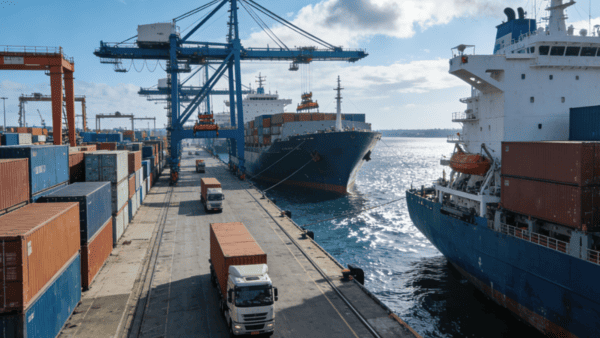
What are Japan AFR filing timeline and data layout core rules?
Japan Advance Filing Rules (AFR) comprise mandatory electronic pre-filing protocols for all containerized cargo transported to Japanese ports, governing fixed submission timelines and standardized data formatting layouts. This regulatory framework requires ocean carriers and freight forwarders to submit complete cargo manifest datasets via unified electronic terminals prior to vessel departure from overseas loading ports. According to UNCTAD 2024 maritime compliance surveys, approximately 38% of filing rejections for Japan-bound cargo relate to non-compliant data layouts rather than incomplete cargo information.
What is the official timeline for Japan AFR electronic filing submission?
The official japan afr filing requirements timeline stipulates that all electronic single terminal filings must be fully completed and system-confirmed no less than 24 hours before vessel departure from the origin loading port. This fixed time window eliminates opportunities for last-minute data adjustment and recheck, making pre-submission layout verification a necessary operational procedure for compliance. Unlike conventional manifest filing systems, Japan’s dedicated AFR electronic terminal adopts rigid data field structures, fixed character limits, and unified formatting specifications for all cargo and stakeholder information.
What defines compliant data layout for Japan AFR filings?
Data layout compliance refers to standardized structural formatting of all submitted electronic data, covering field sequencing, character spacing, abbreviation application, and data classification logic. Many logistics practitioners distinguish data accuracy from layout compliance inaccurately, assuming factually correct cargo content can pass system validation. In practice, Japanese customs automated systems commonly reject filings with misaligned data fields, irregular spacing, or non-standard formatting, even when core cargo details remain accurate.
Why does data layout accuracy matter for AFR timeline compliance?
Accurate data layout acts as a fundamental prerequisite for timely AFR filing completion and consistent adherence to Japan’s regulatory timeline. Electronic single terminal systems operate through automated algorithmic validation, which checks structural layout consistency prior to verifying data authenticity. Any layout discrepancy triggers automatic system rejection, requiring forwarders to revise and resubmit documents and potentially miss the mandatory 24-hour pre-departure submission window.
What operational impacts result from neglected layout verification?
A common mistake is prioritizing data content accuracy while overlooking layout standardization for Japan AFR filings. Multiple mid-tier freight forwarding enterprises focus heavily on verifying cargo descriptions, HS code classification, and party address details but ignore standardized field formatting, line break settings, and data sequencing protocols. This operational oversight contributes to recurring submission failures, disrupted vessel shipping schedules, and reduced supply chain stability for client businesses.
According to Freightos Baltic Index (FBX) 2025 global maritime logistics operational data, vessels facing port delays due to AFR filing rejections incur average extra port demurrage and waiting costs of $1,200 per container at Japanese entry ports. Such incremental expenses largely stem from preventable data layout errors that can be eliminated through structured pre-submission verification workflows. Beyond financial losses, continuous non-compliance may lead to downgraded customs credit ratings, which correspond to more intensive document inspection procedures for subsequent shipments.
What enforcement characteristics apply to AFR timeline violations?
Forwarders should note that the japan afr filing requirements timeline undergoes strict official enforcement, with no discretionary time extensions granted for layout-related errors. Japanese customs authorities separate layout specification violations from minor content typos in enforcement standards, without providing deadline exemptions for formatting irregularities. Stringent regulatory enforcement makes proactive layout verification a key procedure for sustaining stable timeline compliance and uninterrupted Japan-bound shipping operations.
What key data layout elements require full verification?
Japan’s electronic single AFR terminal applies unified standardized layout rules across six core data categories, with independent formatting and structural requirements for each module. Comprehensive verification of these key elements supports regulatory alignment and reduces the likelihood of automated system rejections. All data fields follow fixed sequencing logic, character limit thresholds, and formatting protocols specified in the official Japan AFR compliance handbook.
Bill of lading hierarchy layout: Master B/L and House B/L datasets need to follow fixed hierarchical sequencing on the electronic terminal platform. House B/L entries must maintain accurate logical linkage with corresponding Master B/L fields without data misalignment or cross-category mixing. The system requires Master B/L information to occupy primary data blocks and House B/L details to be placed in subordinate nested fields, with consistent spacing settings between hierarchical sections.
Party information formatting layout: Shipper, consignee, and notify party information must comply with standardized character and structural specifications. Full legal entity names, complete postal addresses with valid postal codes, and official contact numbers should be entered in designated fixed fields without arbitrary line breaks or unauthorized special symbols. Company name abbreviations are acceptable only for entries registered and standardized in Japanese customs official databases.
Cargo description and HS code layout: Cargo item names need to adopt industry-standard descriptive terms and avoid vague or ambiguous phrasing, while HS codes must follow unified 6-digit global standard formatting. HS code fields support numeric input exclusively, with no spaces or punctuation marks allowed. Cargo descriptions need to maintain continuous text layout within the official 200-character limit for each item entry.
Container and seal data layout: Container numbers and seal identification codes must follow fixed alphanumeric formatting sequences. Container prefixes, serial numbers, and check digits should be submitted as unbroken character strings without hyphens or blank spaces. Seal numbers require consistent structural formatting across all associated fields to lower the risk of system parsing errors during automated validation.
Weight and volume metric layout: All cargo weight and volume indicators must adopt standardized metric units with unified decimal place formatting rules. Gross weight, net weight, and cargo volume values require two decimal places of precision, with unit symbols attached directly to numeric values without intermediate spacing. Inconsistent decimal formatting represents one of the frequent layout errors captured by AFR terminal validation systems.
Dangerous goods data layout (if applicable): For IMDG-classified hazardous cargo, hazard classification codes, UN identification numbers, and safety document reference details need to be arranged in independent segregated layout blocks. Dangerous goods datasets cannot be integrated with general cargo fields and must maintain separate structural sequencing to satisfy Japan AFR regulatory specifications.
How to execute step-by-step data layout verification before AFR submission?
Structured pre-submission layout verification helps eliminate structural formatting errors and supports full compliance with the japan afr filing requirements timeline. A standardized multi-stage validation workflow reduces manual operational errors and improves the first-pass approval rate of electronic terminal submissions. The recommended approach is to deploy a layered verification mechanism covering structural alignment, field formatting standardization, and cross-data consistency checks.
Step 1: Cross-check field sequencing against official AFR schema: Retrieve the latest official data schema released for the Japan AFR electronic terminal and compare prepared filing data structures line by line. Verify that all data categories follow official entry sequences, ranging from vessel basic information and B/L metadata to cargo specifications and stakeholder details. Rectify misplaced field entries that disrupt standardized layout sequencing.
Step 2: Validate character formatting and field limitations: Conduct comprehensive audits on all text and numeric fields to ensure alignment with official character limits, spacing rules, and symbol usage restrictions. Remove unauthorized special characters, redundant blank spaces, and non-standard line breaks. Confirm numeric fields including HS codes, container identifiers, and weight values contain only permitted characters and follow unified formatting protocols.
Step 3: Verify hierarchical data linkage accuracy: Inspect logical layout connections between parent and subordinate data entries, with focused checks on Master B/L and House B/L data matching. Confirm all subordinate cargo and stakeholder datasets correspond accurately to primary shipping document entries. Repair broken data linkages that cause information disconnection on the electronic terminal system.
Step 4: Conduct system preview simulation check: Utilize the electronic single terminal’s built-in preview function to simulate official submission validation procedures. The preview module identifies layout misalignments, field matching deviations, and formatting irregularities in real time. Resolve all system-flagged layout issues prior to formal submission to prevent timeline delays.
Step 5: Perform final cross-data layout consistency audit: Review repeated data fields throughout the filing document to ensure unified formatting standards. Operators can verify consistent company name spelling, address structure, and numeric precision across all associated sections. This final inspection reduces inconsistent layout formatting that may trigger intermittent system rejections.
What operational risks come with unverified data layouts?
Unverified data layouts trigger cascading operational and compliance risks that hinder adherence to the japan afr filing requirements timeline and disrupt regular Japan-bound shipping arrangements. Many logistics practitioners underestimate layout-related risks, regarding formatting inconsistencies as minor technical issues with limited operational impact. In fact, unresolved layout inaccuracies can induce notable regulatory penalties and supply chain disruptions.
How do layout errors cause timeline non-compliance?
Unverified layout irregularities commonly lead to immediate filing rejections that exceed the mandatory 24-hour pre-departure submission window. Once the official timeline expires, forwarders need to initiate administrative procedures for filing reconsideration, which involves prolonged document reviews and vessel schedule adjustments. According to UNCTAD 2024 maritime compliance statistical analysis, around 42% of schedule delays for Japan-bound container vessels correlate with AFR layout-related filing failures.
How do repeated layout violations affect customs credit status?
Recurring layout non-compliance may result in official customs warning notices and credit demerit records for forwarding entities. Japanese customs authorities maintain long-term compliance archives for all logistics service providers, and consistent layout errors can lower enterprise compliance ratings. Reduced credit standing may lead to more frequent cargo document inspections, extended port clearance cycles, and restricted access to conventional fast-track filing channels.
What supply chain losses arise from layout inconsistencies?
Unverified data layouts increase the probability of cargo misclassification and document inconsistency issues. Misaligned cargo data fields may contribute to inaccurate duty calculation results, tariff classification disputes, and temporary cargo detention at Japanese ports. Such disruptions raise operational and port handling costs for forwarding firms and weaken long-term client cooperation stability.
Forwarders should note that layout errors often cause cumulative delays, as revised submissions require additional system validation cycles. Last-minute document revisions rarely pass initial system inspection, forming repeated correction and resubmission cycles that occupy the full pre-departure filing window and breach core timeline compliance standards.
How to build a sustainable AFR layout verification workflow?
Establishing standardized internal verification workflows supports long-term stable compliance with the japan afr filing requirements timeline and reduces recurring data layout errors. Optimized operational protocols lower manual error rates, streamline pre-submission processing flows, and adapt to intermittent regulatory updates released by Japanese customs authorities. The recommended approach integrates official template application, hierarchical staff training, and dual-dimensional verification mechanisms.
Adopt official standardized AFR data layout templates: Download and apply the latest official electronic terminal data templates published by Japanese customs authorities. Unify internal filing document structures to match official template field layouts, sequencing logic, and formatting specifications. Custom modified layouts that deviate from official schema tend to induce system validation failures and should be avoided in daily operations.
Implement dual-layer manual and system verification: Combine automated system preview checks with manual professional audits for all Japan AFR filing tasks. Automated system tools identify basic formatting errors efficiently, while experienced logistics specialists verify complex hierarchical data linkages and overall layout consistency. This dual-inspection mechanism reduces omission risks present in single verification methods.
Update operational protocols per regulatory revisions: Japanese customs authorities adjust AFR data layout specifications and timeline rules on an irregular basis. Forwarders can establish routine regulatory monitoring mechanisms to capture official updates and revise internal verification workflows in a timely manner. Outdated layout standards serve as a common source of avoidable compliance failures for long-term logistics operators.
Maintain error logs for continuous optimization: Record all layout-related filing rejection cases, classify specific error types, and summarize recurring operational pitfalls. Teams can leverage historical error data to refine verification checklists and conduct targeted skill training for operational staff. This data-driven optimization method helps reduce layout error frequencies and improve timeline compliance efficiency over time.
In the global freight forwarding industry with standardized regulatory requirements, rigorous data layout verification has evolved from a secondary operational step to a core compliance procedure to meet the japan afr filing requirements timeline. Standardized layout validation mitigates regulatory risks, reduces avoidable shipping delays, and supports stable, efficient electronic single terminal advance filing for all Japan-bound containerized cargo. Forwarders integrating standardized verification workflows into daily operations can sustain steady regulatory compliance, improve overall shipping operational efficiency, and deliver stable and reliable cross-border logistics services for global cooperative clients.

Last
Why ocean carrier marketing groups announce a sudden off peak grr adjustment backed by an industrial general rate restoration explanation breakdown
A professional GRR General Rate Restoration Explanation breakdown helps global freight forwarders interpret unplanned off-peak rat
Next
How carrier document teams validate automated data transmission timelines to ensure what security rules require for an ams cargo filing usa
Understanding timeline validation workflows and security compliance protocols for What is AMS Filing (USA)helps carrier document t
