Clarifying inland trucking risk transfer thresholds for factory sellers by mapping out a clear fca vs fob delivery point comparison
Freight Knowledge
 10-Jun-2026
A clear fca vs fob delivery point comparison acts as a core reference for global forwarders to define inland trucking risk boundaries and help factory sellers mitigate preventable supply chain losses in cross-border trade. In modern international logistics, inland road transportation contributes to most cargo security incidents, forming notable risk disparities between FCA and FOB shipping terms. For global freight forwarders, understanding the precise risk transfer thresholds of these two Incoterms supports accurate client consulting, standardized cargo operations, and reduced liability disputes during inland transit.
Recent global supply chain volatility, including frequent regional route disruptions, rising cargo insecurity risks, and recurring port congestion, has heightened the need for standardized Incoterm implementation in cross-border shipments. Many export enterprises encounter unplanned losses due to ambiguous risk allocation in inland trucking, making professional term differentiation a routine and essential service for contemporary freight forwarding businesses.
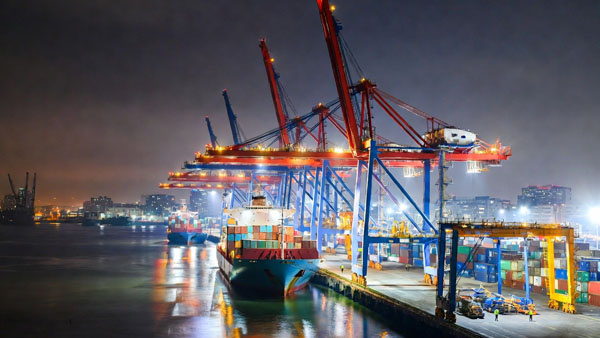
What are the core definitions of FCA and FOB delivery points?
FCA (Free Carrier) and FOB (Free On Board) are two widely adopted International Commercial Terms that standardize cargo delivery obligations, risk transfer timing, and cost allocation between exporters and importers in global trade. Distinct delivery location rules under each term reshape inland trucking risk distribution for factory sellers and logistics service providers. Forwarders should note that inaccurate interpretation of these foundational differences triggers most inland logistics liability disputes for small and medium-sized manufacturing exporters.
Definition and delivery rules of FCA under Incoterms 2020
Under ICC Incoterms 2020 regulations, FCA defines completed delivery once exporters hand over cargo to a contracted carrier at a pre-agreed inland location, covering factory warehouses, inland freight depots, and designated logistics hubs. Cargo-related risks shift to the buyer or carrier immediately after successful handover and custody transfer.
This risk cutoff applies to all subsequent procedures, including residual inland trucking, terminal handling, container stuffing, and ocean carriage. FCA demonstrates strong compatibility with modern multi-modal logistics systems that integrate road, rail, and sea transportation, which aligns with current diversified global shipping practices.
Definition and delivery rules of FOB under Incoterms 2020
FOB (Free On Board) ties formal delivery completion and risk transfer to the point when cargo passes the vessel’s rail at the agreed port of shipment. This rule extends the exporter’s liability coverage throughout the entire pre-shipment inland logistics process.
Factory sellers adopting FOB terms retain full responsibility for all inland trucking risks from factory premises to seaport terminals. Road accidents, cargo damage, transit theft, and schedule delays occurring during inland transportation remain the exporter’s liabilities until full vessel loading is finalized.
How do inland trucking risk transfer thresholds differ between FCA and FOB?
A risk transfer threshold refers to the specific time and location where cargo liability transitions from factory sellers to buyers or appointed carriers during inland trucking operations. Substantial differences in these thresholds between FCA and FOB create varied liability scopes for exporters and forwarders in daily logistics practices.
These threshold distinctions serve as the fundamental basis for liability judgment when inland logistics anomalies occur, and they also define the boundary of cargo supervision and risk management services provided by global freight forwarders.
FCA risk transfer threshold triggers at formal inland handover: Under standard factory-located FCA agreements, risk transfer takes effect immediately after sellers finish cargo packaging, loading, and formal handover to forwarders or authorized inland carriers. According to WTW 2024 global cargo risk reports, road transportation is associated with 71% of cross-border cargo theft incidents worldwide, and FCA effectively separates factory sellers from such inland transit risks post-handover.
FOB risk transfer threshold triggers exclusively at seaport vessel loading: FOB protocols retain all inland trucking liabilities with factory sellers until cargo is fully loaded onto the nominated ocean vessel. No risk exemption applies even after cargo departs factory facilities, with all inland transit damage, loss, and detention charges borne by the exporting party.
Unexplored risk gaps in port temporary warehousing stages: A frequently overlooked threshold difference exists in pre-shipment port storage management. For FCA shipments, port warehousing risks and associated fees fall under the buyer’s scope of responsibility. For FOB shipments, sellers bear all warehousing risks and costs before vessel berthing and loading, extending risk exposure duration significantly.
A common mistake is that many small-scale factory exporters assume forwarders cover all inland trucking risks once cargo dispatches, regardless of applied Incoterms. This cognitive bias leads to frequent compensation disputes during unexpected inland cargo incidents. Forwarders should note that written confirmation of risk transfer thresholds in sales and logistics contracts helps mitigate such disputes effectively.
What inland logistics costs vary with FCA and FOB risk division?
Risk transfer boundaries correspond directly to cost-bearing liabilities in cross-border inland trucking. Unclear cost allocation represents a prominent pain point in factory export logistics cooperation, easily triggering budget overruns and commercial conflicts between trade parties.
Clarifying term-based cost differences enables forwarders to deliver accurate quotation solutions, assist factory sellers in optimizing export cost structures, and avoid unplanned hidden logistics expenditures in long-term trade operations.
Inland trucking freight and emergency operational fees: Under FCA terms, buyers undertake all standard and emergency inland trucking costs after factory cargo handover, including route detour fees, expedited delivery surcharges, and dynamic road toll adjustments. Under FOB terms, sellers cover all inland transit freight and unexpected road emergency expenses until the completion of port loading procedures.
Cargo insurance coverage scope and cycle: The recommended approach is for FCA sellers to purchase short-term insurance covering only on-site factory handover procedures. FOB sellers require continuous full-coverage insurance that covers the entire factory-to-seaport inland transit journey. According to UNCTAD 2024 maritime transport data, insufficient insurance coverage contributes to over 30% of annual logistics losses for small-sized export enterprises.
Port terminal handling and container detention fees: FCA shipments transfer terminal operation cost liabilities to buyers upon inland cargo handover. FOB sellers remain accountable for all port entry fees, cargo handling charges, and container detention fees before vessel loading, even when port congestion causes transit delays.
Recent global supply chain fluctuations have widened the cost gap between FCA and FOB term applications. Per UNCTAD 2024 Maritime Transport Review, ongoing global shipping route disruptions and port congestion have extended pre-shipment waiting cycles for container cargo. These market changes render FOB-related inland logistics costs more volatile and difficult to budget compared with FCA-based logistics arrangements for factory exporters.
Why do forwarders need to distinguish FCA and FOB for factory export services?
Global freight forwarders function as critical intermediaries connecting manufacturing sellers, overseas purchasers, and professional transport carriers. Accurate differentiation between FCA and FOB rules forms the foundation of standardized, low-risk factory export logistics services.
Incorrect judgment or misuse of these two Incoterms may result in inappropriate cargo operation arrangements, misallocated liability responsibilities, and avoidable economic losses for forwarding companies and their client enterprises.
Reduce forwarder liability attribution deviations: A common mistake is that many forwarders voluntarily assume inland cargo supervision responsibilities for FCA shipments beyond their contracted service scope, generating redundant operational costs. For FOB shipments, inadequate inland cargo tracking may lead to client compensation claims due to undiscovered transit anomalies.
Optimize client-side supply chain risk management: Forwarders should note that manufacturers with frequent cross-border export businesses can reduce long-distance inland transit risk exposure by adopting FCA terms. FOB terms are suitable for scenarios where buyers maintain stable, self-managed inland logistics teams to control transit uncertainties.

Enhance cross-border transaction communication efficiency: Clear risk and cost allocation reduces negotiation disputes between exporters and importers. The recommended approach is for forwarders to attach standardized FCA and FOB risk comparison documents to formal export quotations to unify transaction term understanding.
Standardized Incoterm application helps lower global supply chain operational friction. UNCTAD 2024 supply chain statistics indicate that standardized commercial term implementation can reduce cross-border logistics dispute rates by approximately 25% for manufacturing export businesses. Precise term interpretation and targeted risk guidance have become valuable service capabilities for forwarders in competitive global freight markets.
How to select suitable terms based on factory inland transportation scenarios?
Factory geographical locations, inland transit distances, and regional road risk conditions require differentiated Incoterm selection to balance logistics risks and comprehensive export costs. Forwarders need to combine practical inland logistics scenarios to deliver customized term recommendation schemes for factory clients.
Long-distance inland transportation scenarios: For manufacturing facilities located far from core seaports with lengthy and complex inland trucking routes, the recommended approach is to adopt FCA terms. Extended road transportation processes involve higher probabilities of traffic accidents, cargo theft, and schedule delays, and FCA helps sellers terminate extended liability risks effectively.
High-risk road transportation region scenarios: In regions with elevated cargo insecurity rates and imperfect road infrastructure, forwarders should note that FOB terms expose sellers to substantial uncertain logistics losses. WTW 2024 regional cargo risk data shows that cargo theft-related economic losses in the EMEA region recorded a 438% year-on-year increase, making FCA a reliable option for shipments targeting these areas.
Short-distance port-adjacent factory scenarios: For factories within 50 kilometers of major seaports with mature and stable inland logistics systems, FOB terms can be applied flexibly. Short transit distances reduce the probability of inland cargo incidents, and FOB facilitates unified port logistics management for overseas buyers.
Cargo value attributes also influence reasonable term selection. High-value electronic components, precision mechanical equipment, and fragile goods are widely suited for FCA terms to avoid multi-stage risk exposure during inland trucking and pre-shipment port waiting periods. Low-value bulk commodities support flexible FOB adoption based on bilateral trade cooperation agreements.
In the dynamically evolving global trade landscape, mastering a precise fca vs fob delivery point comparison enables global freight forwarders to deliver professional, compliant logistics consulting services. It also assists factory sellers in accurately identifying inland trucking risk transfer boundaries, optimizing export cost control, and mitigating avoidable supply chain losses. Consistent and standardized Incoterm application continues to improve the overall efficiency and stability of global manufacturing cross-border export logistics systems.

Last
Managing multi supplier container gate data weight discrepancies when a port terminal scales report requires an official vgm correction procedure
A formal VGM Correction Procedure enables freight forwarders to resolve multi-supplier container weight data inconsistencies trigg
Next
How operational desks bypass severe carrier weight misdeclaration fines through an automated digital maritime vgm correction procedure
A standardized automated digital maritime VGM correction procedure assists freight forwarding operational teams in eliminating man
