Designing damage free fashion apparel hanging logistics solutions layouts using a specialized 20ft garment container goh structure profile
Freight Knowledge
 9-Jun-2026
The specialized 20ft garment container (GOH) structure acts as a core dedicated carrier for low-damage cross-border fashion apparel hanging logistics, mitigating common damage and shape distortion issues arising from conventional carton-based garment shipping methods. Custom-built for suspended apparel transportation, this modified container variant adapts to the unique protection and storage requirements of high-value fashion goods across global intermodal and maritime supply chains. According to UNCTAD 2024 maritime trade review data, garment and textile cargoes account for a notable share of global seaborne trade, with 20ft GOH units widely adopted for small-batch, multi-destination fashion shipments due to flexible dimensional specifications and stable cost performance.
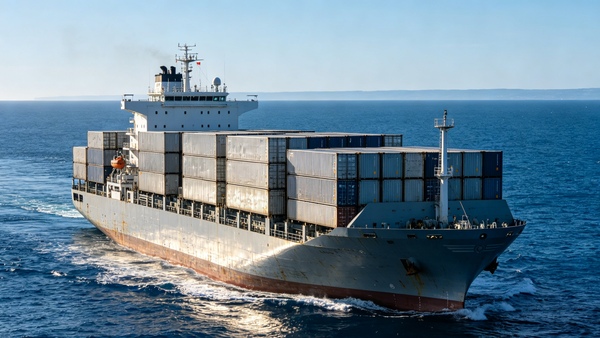
What defines the core composition of a 20ft Garment Container (GOH) structure?
A 20ft Garment Container (GOH) structure refers to a modified 20-foot general dry shipping container retrofitted with professional hanging hardware, reinforced load-bearing frames, and multi-functional protective accessories for commercial apparel transportation. Different from standard general-purpose containers, its structural design prioritizes vertical suspended storage instead of bulk stacking, which helps retain the original appearance and structural integrity of finished fashion garments. All structural components are engineered to withstand routine maritime vibration, operational container tilting, and cross-border transit friction for reliable cargo protection.
Functional modules of standard 20ft GOH containers
A complete 20ft GOH container consists of three coordinated functional modules, with each unit optimized to reduce apparel damage throughout transit cycles. Forwarders should note that incomplete structural assembly or missing auxiliary parts may raise the risks of garment wrinkling, fabric tearing, and surface staining, which can lower overall cargo value by 15%–20% per shipment in practical industry operations.
Reinforced main frame structure: The 20ft GOH container maintains standard 20GP external dimensional specifications while reinforcing side wall panels and top cross beam steel structures. The upgraded frame enhances overall structural rigidity, enabling the container to withstand tilting angles of up to 28 degrees during maritime voyages and preventing frame deformation that may squeeze suspended garments. This standardized reinforcement also ensures full compatibility with global container stacking, lifting, and terminal handling protocols to avoid port operational delays.
Modular hanging rod system: This serves as one of the key functional components of the 20ft garment container (GOH) structure. It is equipped with multi-layer height-adjustable steel hanging rods and anti-slip fixed buckles, supporting flexible spacing adjustment to accommodate diverse garment lengths, ranging from casual short apparel to formal long dresses and overcoats. All hanging rods feature anti-rust and anti-abrasion coating treatments to prevent metal residue contamination on premium fabrics, a critical detail for stable low-damage garment logistics.
Protective auxiliary structure: The internal configuration includes waterproof breathable tarpaulins, anti-collision rubber buffer strips, bottom moisture-proof base panels, and end-wall shock-absorbing pads. These auxiliary components isolate suspended garments from container internal moisture, external impact forces, and mutual friction between cargo units. Additionally, customized reserved ventilation openings reduce mildew growth and odor accumulation in enclosed container environments, preserving fabric quality during long-haul international shipments.
Why does traditional apparel shipping fail to ensure damage-free delivery?
Conventional cross-border apparel logistics primarily adopts carton folding and bulk stacking in standard dry containers, a handling mode that conflicts with the physical characteristics of flexible textile products and triggers frequent cargo quality issues. This conventional layout neglects fabric flexibility and shape stability requirements, resulting in consistent quality complaints within global fashion trade businesses.
Industry damage rate comparison data
According to ITC Trade Map 2025 industrial statistical data, the average cargo damage rate for carton-packed seaborne apparel shipments globally stands at 8.2%. In contrast, shipments utilizing standardized 20ft GOH structural layouts record a much lower damage rate of 1.1%. The substantial performance gap illustrates the structural limitations of traditional shipping solutions and the practical value of specialized GOH container configurations for apparel logistics.
Key drawbacks of carton-based apparel transportation
Persistent garment deformation and wrinkling: Long-term folding and compressive stacking generates irreversible creases on garment fabrics, which cannot be fully restored through conventional post-delivery ironing processes. Premium products such as tailored suits, wedding gowns, and designer outfits face notable value depreciation from such deformation, creating measurable economic losses for fashion exporters and retail brands.
Cumulative secondary damage from multi-stage handling: Carton packaging requires repeated folding, packing, unpacking, and sorting at port terminals and inland warehouses. Each manual and mechanical handling stage introduces additional friction and extrusion risks. A common mistake is that logistics practitioners focus only on primary transit safety while overlooking cumulative handling damage, leading to underestimated total cargo loss ratios.
Environmental contamination from poor internal air circulation: Dense carton stacking blocks natural air convection inside sealed containers, facilitating moisture accumulation, mildew proliferation, and peculiar odor formation during long maritime voyages. Insufficient ventilation also increases the probability of color cross-contamination between differently dyed garment batches, lowering overall product qualification ratios.
Inefficient space utilization and incremental logistics costs: Thick protective padding inside cartons occupies substantial valid container space, reducing the actual volume of deliverable garments per shipment. This inefficient layout raises unit logistics expenditure while failing to eliminate core cargo damage risks, resulting in dual waste of transportation space and economic costs.
How to design a low-damage layout with 20ft garment container (GOH) structure?
Scientific layout planning based on the 20ft garment container (GOH) structure is a core method to facilitate low-risk suspended apparel logistics. Mature layout schemes balance structural stability, targeted garment protection, reasonable space utilization, and multi-scenario transit adaptability, forming standardized operational workflows for global forwarding practitioners.
Standardized layout implementation steps
The recommended approach is to divide GOH container layout design into four standardized procedural steps, covering pre-loading structural inspection, classified hierarchical hanging planning, internal gap stabilization, and comprehensive protection optimization, to fully leverage the structural advantages of 20ft GOH container units.
Conduct comprehensive pre-loading structural inspections: Forwarders should verify the intact state of GOH hanging rods, fixed buckles, anti-collision accessories, and moisture-proof layers before cargo loading. Damaged or loose components require timely replacement and calibration to prevent garment shaking and collision during transit. Special inspection focus should be placed on top hanging beam connection firmness, as loose beam assemblies serve as a major cause of large-scale garment displacement and damage.
Adopt classified hierarchical hanging layouts: Group garments by physical attributes including length, weight, fabric thickness, and commercial value for zoned suspended placement. Longer, heavier, high-value garments are suitable for placement on stable middle-layer rods, while shorter, lightweight apparel can be arranged on upper and side rod groups. This hierarchical layout optimizes container center-of-gravity distribution, reducing gravity offset and minimizing shaking amplitude during vessel navigation and road transit.
Reserve standardized buffer gaps for anti-collision protection: Maintain 5–8 centimeter buffer gaps between garment clusters and container inner walls, and fix arranged garment rows with flexible tension binding belts. A common mistake is overfilling GOH containers to pursue higher space utilization rates, which eliminates protective buffer gaps and raises collision damage risks during container tilting and mechanical vibration.
Optimize internal environmental protection layouts: Cover all suspended garment areas with breathable waterproof tarpaulins to isolate external moisture and floating dust. Keep reserved container ventilation ports unobstructed to sustain stable internal air circulation and inhibit mildew formation. For high-end wool and silk textile garments, independent anti-static protective sleeves can be equipped to reduce static adsorption and related fabric damage.
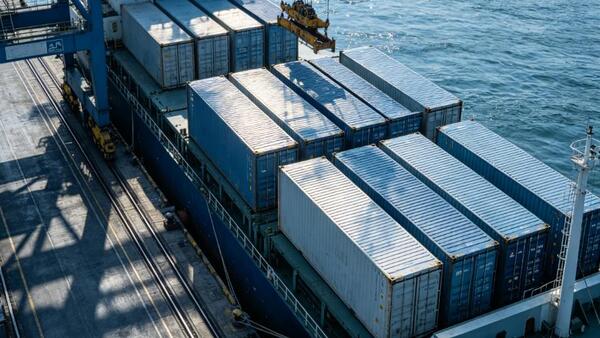
What core benefits does 20ft GOH structure layout bring to fashion logistics?
Targeted layout design based on the 20ft Garment Container (GOH) structure alleviates prevalent pain points in conventional apparel logistics, delivering multi-dimensional value upgrades for global fashion supply chain operations. Its optimized structural configuration and supporting layout methods align well with the elevated transportation standards of modern cross-border fashion commodity trade.
Verified industry performance data
According to the 2024 global apparel logistics industry report released by Drewry, fashion supply chain enterprises adopting standardized 20ft GOH layout solutions achieve a 27% reduction in comprehensive logistics loss ratios and maintain cargo delivery qualification rates around 98.9%. Such operational improvements help strengthen supply chain stability and enhance market competitiveness for fashion brands.
Specific operational and commercial advantages
Substantial reduction in finished apparel damage incidents: Vertical suspended placement avoids compressive folding damage entirely, while standardized buffer layouts mitigate in-transit collision and friction risks. Matched with professional structural protection and enclosed isolation designs, the configuration reduces moisture, dust, and mildew contamination, supporting consistent cargo appearance quality upon arrival.
Improved logistics efficiency and controlled labor expenditure: Integrated hanging layouts enable direct loading and unloading workflows without repeated folding and repackaging steps. The streamlined process simplifies warehouse sorting and terminal handling procedures, cutting manual operation duration by over 40% compared with traditional carton shipping modes and shortening overall fashion product logistics cycles.
Optimized space utilization and unit cost control: Scientific hierarchical hanging schemes make full use of container vertical space, boosting effective garment loading capacity by 20%–25% relative to carton packaging solutions. Forwarders should note that this space utilization improvement lowers average unit sea and land freight costs, creating stable profit margins for small-batch cross-border apparel trade businesses.
Enhanced adaptability for multi-modal transit scenarios: Standardized 20ft GOH structural designs and supporting layouts are compatible with maritime, railway, and highway intermodal transportation systems. The stable center-of-gravity configuration and shock-resistant structure adapt to complex road conditions and variable maritime weather, sustaining reliable cargo protection across diverse global transit networks.
What key details require strict control in GOH layout operations?
While the 20ft Garment Container (GOH) structure provides a reliable hardware foundation for low-damage apparel transportation, non-standard layout and operational practices may still cause avoidable cargo quality losses. Global forwarding teams need to standardize operational details to stabilize GOH logistics service quality.
Maintain scientific hanging density control: Avoid over-dense placement that causes mutual fabric extrusion and sparse placement that wastes valid container space. The recommended rod utilization rate ranges from 80% to 85%, balancing cargo protection effects and loading capacity. A common mistake is prioritizing shipment volume over cargo safety, which leads to hidden fabric extrusion damage.
Standardize fixing and binding specifications: Adopt wide, soft anti-abrasion binding belts to secure garment rows instead of thin tension ropes, preventing indentation marks and fabric surface damage. Binding points should focus on hanger connection positions rather than direct contact with garment fabrics to preserve product appearance integrity.
Adjust layout configurations for seasonal environmental variations: Strengthen moisture-proof measures such as placing desiccant packs and ensuring full ventilation during humid and rainy seasons. Increase anti-static auxiliary configurations in dry, low-humidity seasons to reduce static-induced fiber damage on delicate textiles.
Implement batch-based zoning cargo management: Sort and hang garments by brand attribute, order batch, and destination port to prevent mixed placement of different cargo batches. This refined layout simplifies destination customs clearance, commodity inspection, and terminal distribution workflows, lowering secondary handling damage probabilities.
Amid the expanding scale of global cross-border fashion trade and continuously rising brand requirements for cargo delivery quality, the specialized 20ft garment container (GOH) structure profile and standardized low-damage layout solutions have become vital supporting facilities for high-quality international apparel logistics services. Forwarders proficient in scientific GOH layout design can effectively mitigate cargo damage risks, optimize operational efficiency, and deliver stable, competitive hanging logistics services for global fashion brand clients.
Last
Standardizing warehouse packaging inspection steps for bulk non hazardous liquid bulk logistics following official flexitank installation guidelines
Professional warehouse packaging inspection executed in line with standard flexitank installation guidelines constitutes a core qu

Next
How quality control inspectors verify container inner crossbar stability limits inside a heavy load 20ft garment container goh structure
Structural stability quality control acts as a core safety procedure for heavy-volume apparel seaborne shipping, focusing on load-
