Overcoming acute general purpose container deficits through optimized placement workflows using alternative nor non operating reefer explanation options
Freight Knowledge
 9-Jun-2026
A systematic non operating reefer explanation assists global freight forwarders in deploying practical mitigation strategies for recurring general purpose container shortages within cross-border dry cargo logistics. Optimized NOR container placement workflows enable logistics practitioners to repurpose idle refrigerated container units as feasible capacity substitutes during phases of constrained standard dry van availability. According to UNCTAD 2025 maritime transport review data, structural container supply imbalances persist across major global trade lanes, prompting forwarding professionals to adopt flexible container deployment strategies for stable shipment execution.
What causes recurring general purpose container shortages in modern shipping markets?
General purpose container deficits refer to structural supply mismatches where available standard dry van capacity fails to satisfy rising dry cargo shipment demand throughout peak shipping cycles. Multiple interrelated market dynamics and terminal operational issues contribute to this recurrent industry challenge.
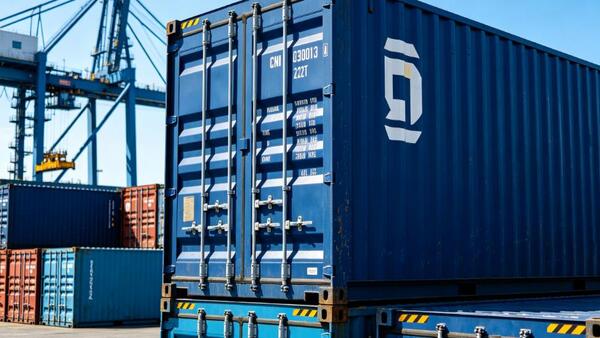
Unbalanced global cargo flow distribution: Asymmetric cargo volume distribution across regional trade corridors leads to uneven container inventory allocation across global port hubs. Export-oriented geographical regions commonly face dry van capacity gaps, while import-heavy port accumulations generate surplus idle standard containers, disrupting cross-regional resource equilibrium.
Seasonal foreign trade demand surges: Forwarders should note that concentrated order fulfillment schedules in the second half of each calendar year drive measurable increases in dry cargo shipment volumes. This seasonal demand expansion rapidly depletes local general purpose container inventory and results in regional equipment shortages across multiple trade lanes.
Slow empty container repositioning efficiency: A common mistake is overlooking the inherent scheduling latency of carrier empty container redeployment systems. Cross-regional empty container relocation requires integrated voyage coordination, and minor scheduling deviations often trigger short-term regional container supply gaps.
Port congestion and terminal operational delays: Intricate terminal workflows, vessel berthing congestion, and prolonged container detention cycles reduce overall container turnover rates. Slower equipment circulation restricts the volume of usable dry van units for new export booking arrangements.
Why can NOR containers serve as effective substitutes for standard dry vans?
NOR containers are repurposed maritime assets that utilize idle refrigerated container capacity to replicate core standard dry van functionality for general dry cargo carriage. Their consistent structural integrity and compliant operational characteristics support steady general cargo transportation during dry van supply constraints.
Complete structural integrity for dry cargo carriage: Non-operating reefer containers retain original factory structural rigidity, waterproof performance, and full sealing functionality after refrigeration system deactivation. These physical attributes align with standardized loading and transportation specifications applicable to most conventional dry commodities.
Ample idle inventory across global ports: Forwarders should note that global reefer container fleets maintain substantial idle inventory during low-demand cold chain shipping cycles. According to Drewry 2025 container asset monitoring data, idle reefer capacity across international port hubs delivers supplementary resources to alleviate regional dry van supply pressure.
Compatible operational standards with dry vans: A common mistake is assuming NOR containers require customized terminal handling protocols. NOR units adhere to identical stacking, stowage, and port operational procedures as conventional dry vans, without introducing additional operational complexity for terminal operators and forwarders.
Stable environmental protection for ordinary goods: The recommended approach is to leverage NOR container internal insulated frameworks to reinforce dry cargo protection. The fully enclosed insulated compartment stabilizes internal humidity and temperature levels, providing enhanced moisture resistance for packaged dry goods relative to conventional dry van containers.
What optimized NOR placement workflows resolve container shortage issues?
Optimized NOR placement workflows are standardized operational frameworks designed to match idle non-operating reefer assets with real-time dry cargo shipping requirements. Refined procedural governance improves container resource utilization and mitigates operational risks stemming from dry van supply shortages.
Real-time container inventory screening: Forwarders should note that continuous monitoring of carrier-managed NOR and dry van inventory datasets forms the foundational step for flexible container deployment. Prioritizing NOR container booking during local dry van scarcity helps prevent shipment delays caused by equipment insufficiency.
Cargo attribute pre-matching verification: The recommended approach is to conduct comprehensive cargo attribute validation prior to confirming NOR container allocation. Systematic screening of moisture-sensitive, perishable, and sharp-edged commodities ensures full compliance with NOR container loading specifications and minimizes operational hazards.
Dynamic container type switching strategy: A common mistake is implementing fixed container type allocations for long-term client shipment contracts. Adaptive switching between dry vans and NOR containers based on real-time market supply conditions helps alleviate seasonal container supply bottlenecks.
Advance quota reservation planning: Securing NOR container quotas ahead of peak shipping seasons stabilizes access to alternative shipping equipment. Proactive pre-reservation protocols reduce the probability of resource shortages during demand expansion phases and sustain consistent shipment timeliness.
Coordinated terminal handover arrangement: Synchronizing NOR container pickup, loading, and return schedules with standardized terminal operational cycles elevates overall shipping efficiency. Uniform handover protocols reduce equipment detention fees and minimize routine operational friction.
What practical advantages do optimized NOR placement workflows bring to forwarders?
Structured NOR container placement workflows generate multi-faceted operational value for forwarding enterprises operating within fluctuating container supply markets. These optimization methodologies balance shipment stability, cost governance, and sustained client service quality.
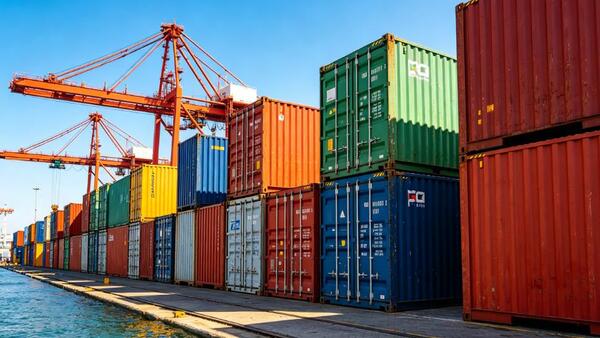
Stabilize shipment delivery during supply shortages
According to Freightos Baltic Index 2025 market tracking data, seasonal dry container supply mismatches frequently lead to shipment rescheduling and delivery postponements for small and medium-sized export entities. Adaptive NOR container deployment acts as one of the commonly adopted alternative solutions to secure usable shipping equipment and sustain consistent on-time cargo delivery.
Unlike standard dry van resources with seasonally variable quotas, idle global reefer container inventory exhibits lower susceptibility to dry cargo market demand fluctuations. Consistent alternative equipment availability enables forwarders to maintain stable service capacity across diverse shipping cycles.
Optimize comprehensive logistics cost management
Forwarders should note that NOR container booking rates maintain relatively stable fluctuation ranges during peak shortage periods, with milder price volatility compared with mainstream dry van market trends. During dry van supply constraints, incremental spot premiums for standard containers expand the cost-efficiency margins of NOR alternative deployment schemes.
Optimized placement workflows also reduce incidental time expenditures and emergency scheduling costs associated with container scarcity. Systematic resource matching mechanisms enhance daily operational efficiency and curtail invalid resource consumption within conventional forwarding business operations.
Improve sustained customer service reliability
Within the competitive global logistics sector, stable shipment capacity serves as a core differentiated service indicator. Forwarders with established NOR container deployment frameworks are often relied upon by long-term cooperative clients for consistent and reliable shipping service guarantees.
A common mistake among traditional forwarding agencies is excessive reliance on single-standard dry van resources. This narrow equipment selection framework weakens market risk resilience during industry fluctuations, potentially leading to inconsistent service quality and reduced client collaboration willingness.
What key risks require attention in NOR container alternative deployment?
While NOR containers effectively mitigate dry van supply shortages, alternative deployment procedures present operational distinctions relative to standard container usage. Forwarders need to identify and address potential risks to maintain standardized and secure shipment execution.
Effective loading volume deviation risk: Forwarders should note that internal insulation frameworks and residual reefer hardware occupy partial internal space, creating marginal reductions in NOR container usable loading volume. Modified stowage planning is required to prevent inefficient space utilization or overloading occurrences.
Document declaration classification risk: The recommended approach is to standardize all bill of lading and customs declaration documentation protocols. NOR containers are classified as refrigerated equipment in official carrier and customs systems, requiring explicit non-operational status marking to lower inspection dispute frequencies.
Improper cargo stowage damage risk: A common mistake is disregarding the vulnerability of internal insulation structures. Sharp-edged or heavy cargo without protective packaging may scratch or impair container inner wall structures, resulting in equipment damage assessments and compensatory liabilities.
Blind alternative deployment risk: Unregulated NOR container deployment for non-compliant cargo categories may trigger carrier contractual penalty clauses. Rigorous pre-booking cargo screening ensures alignment with carrier operational specifications and equipment usage regulations.
How will NOR alternative solutions reshape dry cargo shipping capacity allocation?
Contemporary maritime industry development features continuous structural adjustments in global container shipping capacity distribution. The supply-demand imbalance between standard dry van equipment and dry cargo shipping demand has become a recurrent structural market characteristic.
According to WTO 2025 global merchandise trade statistics, international dry cargo trade volume sustains steady incremental growth, while standard container equipment supply undergoes periodic structural shortages. This persistent market dynamic promotes wider industry adoption of NOR alternative container deployment mechanisms across global trade lanes.
Major ocean carriers continue refining reefer container asset management architectures and establishing standardized idle equipment activation protocols. Enhanced supportive policies and unified operational procedures improve the compatibility of NOR placement workflows with mainstream dry cargo shipping scenarios.
For global freight forwarders, proficient comprehension of systematic non operating reefer explanation and optimized NOR placement workflows supports adaptive responses to container supply volatility. These professional competencies stabilize routine service capacity and facilitate the development of sustainable market competitiveness within the evolving global logistics ecosystem.
Last
Preventing destination cargo release fraud liabilities by training junior operations operators on every critical swb vs marine bill of lading difference
Understanding key swb vs marine bill of lading difference enables freight forwarding enterprises to build standardized training fr
Next
Passing carrier hazardous and out of gauge bureau structural audits by enforcing strict flat rack container fr securing requirements
Strict flat rack container (FR) securing requirements constitute the core compliance benchmark for global forwarders to pass carri
