Expediting Cargo: Speeding Up the Import Customs Clearance Process
Freight Knowledge
 14-May-2026
In the fast-paced world of global freight forwarding, streamlining the Import Customs Clearance Process is a top priority for forwarders seeking to enhance client satisfaction and operational efficiency. Every delay in clearance can lead to increased costs and strained client relationships, making speed without compromising compliance a critical goal.
Why Is Speeding Up the Import Customs Clearance Process Important for Forwarders?
Speeding up the Import Customs Clearance Process refers to implementing targeted strategies to reduce the time goods spend in clearance while maintaining full compliance with local regulations. It directly impacts operational costs, client retention, and a forwarder’s competitive standing in the global market.
The Cost of Clearance Delays for Forwarders
Forwarders should note that delays in clearance often result from avoidable issues such as incomplete documentation, misclassification, or poor pre-arrival preparation—issues that can be mitigated with proactive planning. According to UNCTAD 2025 data, the average global import clearance time for sea freight is 4.2 days, but forwarders adopting optimized processes can reduce this to 1.8 days, significantly cutting down on demurrage and storage fees.
The Risks of Prioritizing Speed Over Compliance
A common mistake is prioritizing speed over compliance, which can lead to costly penalties and long-term delays if customs authorities identify non-compliance. The recommended approach is to balance efficiency with adherence to regulations, as compliant processes often streamline clearance by reducing the risk of inspections and rejections.
Clearance Speed and Client Trust
For global forwarders, faster clearance also translates to stronger client trust. Clients rely on forwarders to deliver their cargo on time, and delays in clearance can disrupt their supply chains and financial planning. According to ITC Trade Map 2025 data, 81% of shippers consider clearance speed a key factor when choosing a forwarder, highlighting its importance in client acquisition and retention.
What Are the Main Causes of Delays in the Import Customs Clearance Process?
The main causes of delays in the Import Customs Clearance Process are predictable issues related to documentation, classification, compliance, and communication gaps between stakeholders. Identifying these causes is the first step toward implementing effective speed-enhancing strategies.
Incomplete or Inaccurate Documentation: Missing documents, incorrect information, or discrepancies between electronic and paper records are the most common causes of delays. For example, a missing certificate of origin or a typo in the HS code can lead to hold-ups, as noted in a 2025 report by the Shanghai Shipping Exchange, which found that 41% of clearance delays stem from documentation errors.
Misclassification of Commodities: Incorrectly assigning HS codes often leads to additional inspections and reclassification, extending clearance time. A common mistake is relying on outdated HS code lists or assuming similar products share the same code. Forwarders should note that HS codes are updated annually, and misclassification can also result in underpayment or overpayment of duties.
Unplanned Customs Inspections: While some inspections are random, many are triggered by red flags such as unusual cargo descriptions, inconsistent declared values, or high-risk commodity types. According to China Customs 2025 data, approximately 12% of import shipments are subject to inspection, and these inspections can add 3–7 days to the clearance process if not properly prepared for.
Communication Gaps Between Stakeholders: Delays often occur when forwarders, clients, carriers, and customs authorities lack clear communication. For instance, a client failing to provide required information promptly or a carrier delaying the submission of arrival notices can hold up the entire process.
Failure to Leverage Pre-Arrival Procedures: Many countries offer pre-arrival clearance options, but forwarders often underutilize these tools. The recommended approach is to submit declaration data and supporting documents before the cargo arrives, allowing customs authorities to review information in advance and reduce post-arrival delays.
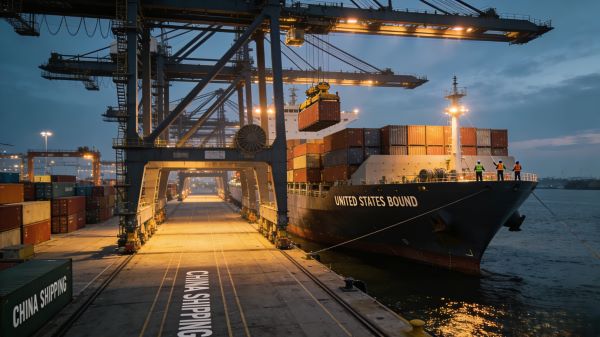
How Can Forwarders Speed Up Pre-Arrival Preparation to Reduce Clearance Delays?
Pre-arrival preparation is the most impactful stage for speeding up the Import Customs Clearance Process, as it allows forwarders to address potential issues before the cargo reaches the destination port. Effective pre-arrival strategies focus on documentation, classification, and compliance checks.
Implement a Document Verification Checklist: Create a standardized checklist for all required documents, including commercial invoices, packing lists, bills of lading, certificates of origin, and special permits. The recommended approach is to verify each document for accuracy and completeness at least 48 hours before the cargo’s estimated arrival, allowing time to correct errors.
Use Automated HS Code Classification Tools: Invest in software that automates HS code classification based on commodity descriptions, reducing the risk of human error. Forwarders should note that these tools often integrate with the latest HS code updates, ensuring compliance and reducing the likelihood of misclassification-related delays. According to a 2026 report by the Cross-Border E-Commerce Logistics Association, AI-powered HS code classification tools reduce misclassification rates by 78% compared to manual classification.
Submit Pre-Arrival Declarations Where Available: Many customs authorities, including China Customs and the U.S. CBP, allow pre-arrival declarations. According to Freightos 2025 Q4 data, forwarders who submit pre-arrival declarations experience a 42% reduction in post-arrival clearance time compared to those who do not.
Verify Commodity Restrictions and Requirements in Advance: Check the destination country’s import restrictions, required certifications, and regulatory requirements before the cargo ships. For example, electronic goods may require FCC certification for entry into the U.S., while food products often need FDA approval. A common mistake is overlooking these requirements until the cargo arrives, leading to costly delays.
Communicate Proactively with Clients: Request all necessary information and documents from clients well in advance, and follow up to ensure timely submission. Forwarders should note that setting clear deadlines for clients and providing guidance on document requirements can significantly reduce delays caused by missing information.
What Strategies Help Streamline the Declaration and Inspection Stages?
The declaration and inspection stages are critical for clearance speed, as errors or lack of preparation here can lead to significant hold-ups. Streamlining these stages requires accuracy, collaboration, and proactive engagement with customs authorities.
Optimizing the Declaration Process
Use Electronic Declaration Systems: Utilize customs-approved electronic declaration platforms to submit data quickly and accurately. These systems often include built-in validation checks that flag errors before submission, reducing the risk of rejection. According to the WTO 2025 Trade Facilitation Report, electronic declarations reduce processing time by an average of 55% compared to paper declarations, aligning with global trade facilitation reforms.
Ensure Consistency Across All Documents: Verify that the information on the declaration form matches the commercial invoice, packing list, and bill of lading. A common mistake is inconsistent data (e.g., different quantities or values across documents), which triggers customs scrutiny and delays. The recommended approach is to cross-check all documents before submission.
Declare All Costs Accurately: Include all costs associated with the cargo, such as shipping, insurance, and handling fees, in the declared value. Forwarders should note that underdeclaring the value to reduce duties is a violation of customs regulations and can lead to severe penalties, as well as extended inspections.
Minimizing Inspection-Related Delays
Prepare for Inspections in Advance: Ensure the cargo is properly labeled and accessible, and have all supporting documents readily available for inspectors. The recommended approach is to assign a dedicated team member to coordinate with customs inspectors, providing prompt responses to any questions or requests for additional information.
Address Red Flags Proactively: Identify potential red flags (e.g., unusual cargo descriptions, high-value shipments, or complex commodities) and provide additional documentation to explain them upfront. For example, if shipping a high-value electronic device, include a detailed technical specification sheet to reduce the likelihood of an inspection.
Partner with Local Customs Brokers: Local brokers have intimate knowledge of local customs procedures, inspection criteria, and potential pitfalls. According to a 2025 survey by the International Federation of Freight Forwarders Associations (FIATA), forwarders working with local brokers reduce inspection-related delays by 29% on average.
How Can Technology Automate and Speed Up the Import Customs Clearance Process?
Technology plays a pivotal role in speeding up the Import Customs Clearance Process by automating repetitive tasks, reducing human error, and providing real-time visibility into shipment status. Forwarders who leverage technology effectively can achieve significant efficiency gains.
Adopt Customs Clearance Software: Invest in software that integrates document management, HS code classification, declaration submission, and duty calculation. These tools automate repetitive tasks, such as data entry and document verification, freeing up staff to focus on more complex tasks. According to a 2026 report by Liaocheng News Network, customs clearance software with AI automatic classification and customs API direct connection functions shortens clearance time by an average of 27% and reduces inspection rates by 18%.
Use Real-Time Shipment Tracking Tools: Implement tracking tools that provide real-time updates on cargo location, arrival status, and clearance progress. Forwarders should note that these tools allow for proactive problem-solving—for example, identifying delays in transit and adjusting declaration timelines accordingly.
Leverage Data Analytics for Predictive Planning: Use data analytics to identify patterns in clearance delays, such as recurring documentation errors or high-inspection commodities. The recommended approach is to analyze historical data to refine processes, such as updating checklists or providing targeted client training to reduce common mistakes.
Integrate with Carrier and Customs Systems: Choose software that integrates with carrier systems (for arrival notices) and customs portals (for declaration status updates). This integration eliminates manual data entry and ensures that information is shared in real time, reducing delays caused by outdated or inaccurate data. According to China General Administration of Customs statistics, the volume of business handled by enterprises through the "Single Window" increases by more than 20% annually.
What Role Do Partnerships Play in Speeding Up Clearance?
Partnerships with local agents, customs brokers, and technology providers are essential for speeding up the Import Customs Clearance Process, as they provide access to local expertise, resources, and streamlined processes that individual forwarders may not possess.
Collaborate with Local Customs Brokers: Local brokers understand the nuances of local customs regulations, inspection procedures, and cultural expectations. They can navigate complex requirements, resolve issues quickly, and advocate on behalf of forwarders. A common mistake is underestimating the value of local expertise, which can lead to avoidable delays in unfamiliar markets.
Build Relationships with Carriers: Strong relationships with carriers ensure timely delivery of cargo to the destination port and prompt submission of arrival notices. Forwarders should note that carriers often have insights into port congestion and can provide recommendations to avoid peak periods, reducing overall clearance time. According to the Shanghai Shipping Exchange 2025 data, carriers with close cooperation with forwarders can reduce cargo arrival delays by 30%.
Partner with Technology Providers: Work with technology providers that offer ongoing support and updates to their software, ensuring that forwarders have access to the latest features and compliance tools. The recommended approach is to choose providers with experience in the freight industry, as they understand the unique challenges of clearance.
Engage with Industry Associations: Join industry associations such as FIATA or local freight forwarder organizations to access resources, training, and networking opportunities. These associations often provide updates on regulatory changes and best practices for speeding up clearance, helping forwarders stay ahead of the curve.
How to Balance Speed and Compliance in the Import Customs Clearance Process?
Balancing speed and compliance is critical for long-term success, as prioritizing one over the other can lead to costly consequences. Effective strategies focus on building compliant processes that inherently support efficiency.
The Compatibility of Speed and Compliance
Forwarders should note that compliance and speed are not mutually exclusive—well-designed compliant processes often reduce delays by minimizing the risk of inspections, rejections, and penalties. A common mistake is cutting corners to speed up clearance, such as misclassifying goods or submitting incomplete documents, which ultimately leads to longer delays and higher costs.
Embedding Compliance into Clearance Processes
The recommended approach is to embed compliance into every stage of the clearance process, from pre-arrival preparation to post-clearance audits. This includes implementing regular staff training on regulatory updates, using automated tools to ensure accuracy, and conducting periodic reviews of clearance processes to identify areas for improvement.
The Impact of Robust Compliance Programs
According to WTO 2025 data, forwarders with robust compliance programs experience 40% fewer delays than those with inconsistent compliance practices. By prioritizing compliance, forwarders can build trust with customs authorities, reduce the likelihood of inspections, and create a foundation for faster, more reliable clearance. This aligns with the WTO Trade Facilitation Agreement, which aims to reduce global trade costs by 14.3% through improved compliance and efficiency.
What Are the Long-Term Benefits of Speeding Up the Import Customs Clearance Process?
Speeding up the Import Customs Clearance Process offers long-term benefits beyond immediate cost savings, including improved client retention, enhanced competitive advantage, and more resilient supply chains.
Enhanced Client Satisfaction and Retention: Faster clearance means on-time delivery for clients, which improves satisfaction and increases the likelihood of repeat business. According to a 2025 client satisfaction survey by a leading freight industry publication, 83% of clients are more likely to renew their contracts with forwarders who consistently deliver fast, compliant clearance.
Reduced Operational Costs: Faster clearance reduces demurrage, storage, and labor costs associated with delayed cargo. According to Drewry 2025 data, the average cost of demurrage and detention per container is $125 per day, so reducing clearance time by even one day can result in significant savings for both forwarders and clients.
Competitive Advantage in the Global Market: In a crowded market, faster clearance can differentiate forwarders from their competitors. Forwarders should note that many clients are willing to pay a premium for reliable, fast clearance services, especially for time-sensitive cargo such as perishables or high-value goods.
More Resilient Supply Chains: Faster clearance helps mitigate the impact of supply chain disruptions, such as port congestion or labor shortages. By streamlining clearance processes, forwarders can adapt more quickly to changes and ensure that cargo moves smoothly even in challenging environments. This is particularly important as global supply chains continue to recover from recent disruptions.
Conclusion: Streamlining the Import Customs Clearance Process for Sustainable Success
Speeding up the Import Customs Clearance Process is a strategic priority for global货代 companies, as it directly impacts operational efficiency, client satisfaction, and bottom-line performance. By identifying the main causes of delays, implementing targeted pre-arrival strategies, leveraging technology, and building strong partnerships, forwarders can achieve faster clearance without compromising compliance.
Forwarders should remember that the key to success lies in balancing speed and compliance—cutting corners to save time often leads to costly penalties and long-term delays. The recommended approach is to invest in processes, technology, and partnerships that support both efficiency and compliance, creating a sustainable competitive advantage in the global freight industry. Ultimately, a streamlined Import Customs Clearance Process not only benefits forwarders but also their clients, helping to build stronger, more resilient supply chains for the future.
Last
Understanding the Red Lane: What is a Customs Inspection?
In the complex world of international freight forwarding, one term that forwarders encounter regularly is Customs Inspection. This
Next
Compliant Entry: A Guide to the Import Customs Clearance Process
In the complex landscape of international freight forwarding, mastering the Import Customs Clearance Process is critical for ensur
