Profit Analysis: Tailoring Services Based on the EXW vs FOB Difference
Freight Knowledge
 13-May-2026
For global freight forwarders, understanding the difference between EXW and FOB is not just a matter of operational compliance—it is a strategic opportunity to optimize profitability by tailoring services to each Incoterm’s unique requirements. Mastering this distinction helps forwarders avoid costly mistakes and unlock new revenue streams.
How Do the Differences Between EXW and FOB Impact Forwarders’ Profit Margins?
The differences between EXW and FOB directly influence cost allocation, risk exposure, and service requirements, all of which shape forwarders’ profit margins. Each Incoterm demands distinct resource allocation and pricing strategies to maintain profitability.
Forwarders often overlook how the core obligations of EXW and FOB affect their bottom line. Under EXW, forwarders assume more end-to-end responsibilities—from pickup at the seller’s premises to export clearance—while FOB shifts key costs and risks to the seller, altering the forwarder’s service scope and profit potential.
According to UNCTAD 2026 Q1 data, maritime trade volume is projected to expand by 0.8% and containerized trade by 1.6%, with approximately 43% of these transactions using either EXW or FOB terms. This volume means forwarders that tailor their services to each Incoterm can capture more market share and improve profit margins compared to those using a one-size-fits-all approach.
A common mistake is for forwarders to apply the same pricing model to both EXW and FOB shipments. This oversight often leads to underpricing EXW services (due to unaccounted loading and export clearance costs) or overpricing FOB services (losing competitiveness to forwarders with more tailored pricing).
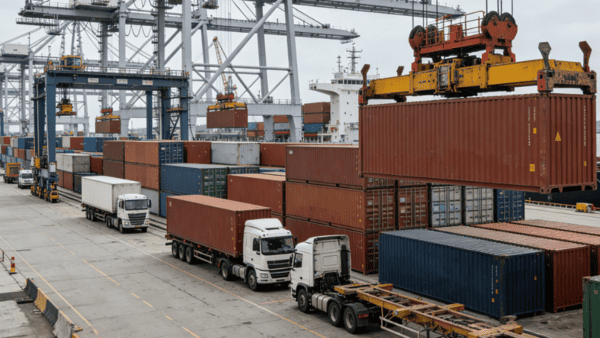
What Profit Opportunities Do EXW Shipments Offer Forwarders?
EXW shipments present unique profit opportunities for forwarders willing to take on additional responsibilities, as they allow for value-added services that can be monetized beyond basic transportation.
While EXW places more burdens on the buyer (and their forwarder), it also creates openings for forwarders to offer specialized services that address the complexities of this Incoterm. Many sellers using EXW lack expertise in export compliance or local logistics, making them willing to pay for additional support.
Forwarders should note that EXW shipments often require coordination with multiple parties—sellers, local carriers, customs brokers—and this coordination can be packaged as a premium service. For example, assisting with export clearance, arranging specialized loading equipment, or providing real-time tracking of goods from the seller’s warehouse to the port can all be monetized.
According to ITC Trade Map 2026 data, forwarders that offer value-added services for EXW shipments report a 13-19% higher profit margin compared to those that only provide basic transportation. This is because these services address pain points for both buyers and sellers, allowing forwarders to charge a premium.
The recommended approach is to conduct a thorough assessment of the buyer’s and seller’s needs for each EXW shipment. For example, if a seller lacks export clearance capabilities, forwarders can offer to manage this process for an additional fee, turning a potential liability into a profit center.
What Profit Advantages Does FOB Provide for Forwarders?
FOB shipments offer forwarders profit advantages through reduced risk exposure and streamlined operations, as the seller assumes key responsibilities like export clearance and local transportation to the port of shipment.
Under FOB, forwarders are primarily responsible for maritime transportation and related services, which simplifies their operations and reduces the risk of unexpected costs. This streamlined scope allows forwarders to optimize their resources and focus on core competencies, such as negotiating favorable ocean freight rates with carriers.
Forwarders should note that FOB shipments often have more predictable costs compared to EXW, as the seller covers local transportation, loading, and export clearance. This predictability makes it easier to accurately quote services and maintain consistent profit margins.
According to Freightos Baltic Index (FBX) 2026 Q1 data, forwarders handling FOB shipments have an 8-12% lower cost variance compared to those handling EXW shipments. This lower variance reduces the risk of cost overruns, which can erode profits.
A common mistake is for forwarders to underutilize the predictability of FOB shipments. Instead of simply providing maritime transportation, forwarders can offer supplementary services like cargo insurance, documentation review, or post-shipment tracking to increase revenue without significantly increasing costs.
How to Price Services for EXW vs. FOB to Maximize Profits?
Pricing services for EXW and FOB requires distinct strategies, as each Incoterm involves different cost structures, risk levels, and service requirements that directly impact profitability.
Pricing Strategies for EXW Shipments
For EXW shipments, pricing must account for all costs assumed by the forwarder, including local transportation from the seller’s premises, loading labor and equipment, export clearance fees, and any potential delays or contingencies. Failing to include these costs in the quote can lead to negative profit margins.
The recommended approach for EXW pricing is to create a detailed cost breakdown that includes both direct and indirect costs. Direct costs include trucking, loading, and customs fees, while indirect costs include labor for coordination, documentation, and risk mitigation. Adding a reasonable profit margin to this breakdown ensures profitability while remaining competitive.
Pricing Strategies for FOB Shipments
For FOB shipments, pricing can focus on maritime transportation costs, as the seller covers local logistics and export clearance. However, forwarders should still account for supplementary costs like documentation processing, cargo insurance, and port handling fees to avoid underpricing.
According to Drewry 2026 data, forwarders that use a cost-plus pricing model for EXW shipments and a competitive pricing model for FOB shipments report 10-15% higher overall profit margins compared to those using a single pricing strategy. This hybrid approach balances cost recovery for EXW with competitiveness for FOB.
Forwarders should note that pricing flexibility is key. For high-volume EXW clients, offering volume discounts can increase loyalty and long-term profitability, while for FOB clients, matching or slightly undercutting competitors’ rates (while adding value through supplementary services) can capture more business.
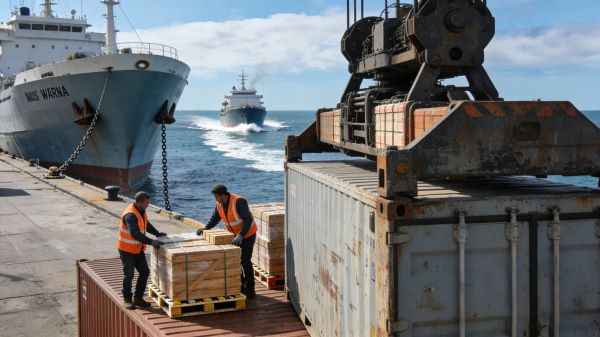
What Value-Added Services Can Forwarders Offer for EXW and FOB Shipments?
Value-added services are a critical way for forwarders to increase profit margins for both EXW and FOB shipments, as they address unmet needs and allow for premium pricing beyond basic transportation.
Export Compliance Support: For EXW shipments, offer assistance with export documentation, customs declarations, and regulatory compliance. Many sellers lack this expertise, and forwarders can charge a fee for ensuring compliance and avoiding delays.
Specialized Loading and Handling: For EXW shipments with heavy or oversized cargo, provide specialized equipment (such as cranes or forklifts) and trained labor. This service addresses a common pain point and can be monetized at a premium rate.
Real-Time Cargo Tracking: Offer end-to-end tracking for both EXW and FOB shipments, allowing clients to monitor their cargo from pickup to delivery. This service increases client satisfaction and can be included as a premium add-on.
Documentation Management: For FOB shipments, manage and verify all shipping documents (such as bills of lading, commercial invoices, and packing lists) to ensure accuracy and avoid delays. This streamlines the process for clients and can be charged as a separate service.
Cargo Insurance Consultation: Advise clients on appropriate cargo insurance coverage based on the Incoterm used. For EXW, recommend comprehensive coverage for local transportation and loading, while for FOB, focus on maritime insurance. Forwarders can earn commissions from insurance providers or charge a consultation fee.
Delay Mitigation Services: For both EXW and FOB shipments, offer proactive delay management, such as rerouting cargo or arranging alternative transportation if there are port disruptions or carrier delays. This service helps clients avoid costly downtime and can be priced as a premium offering.
How to Mitigate Profit Risks Associated with EXW and FOB Shipments?
Mitigating profit risks for EXW and FOB shipments requires proactive planning, clear communication, and careful risk assessment to avoid cost overruns and disputes that erode margins.
Addressing Delay Risks in EXW Shipments
A common mistake is for forwarders to underestimate the risk of delays in EXW shipments. Delays can occur due to seller readiness issues, loading complications, or export clearance hold-ups, all of which can increase costs (such as storage fees or detention charges) and reduce profits.
Forwarders should note that clear communication with both sellers and buyers is critical for risk mitigation. For EXW shipments, confirm the seller’s readiness to release the goods, the availability of loading equipment, and the status of export documentation before scheduling pickup.
Mitigating Risks in FOB Shipments
For FOB shipments, forwarders must verify the seller’s ability to deliver the goods to the port on time and complete export clearance. Seller defaults or delays in these areas can lead to demurrage fees and lost profits for forwarders.
The recommended approach is to include contingency clauses in service agreements. For example, specify that any delays caused by the seller (for EXW) or buyer (for FOB) will result in additional fees to cover the forwarder’s costs. This helps protect profit margins from unexpected delays.
According to Shanghai Shipping Exchange 2026 data, forwarders that implement contingency planning for EXW and FOB shipments reduce cost overruns by 16-21% compared to those that do not. This planning includes setting aside a small buffer in quotes to cover unexpected costs and having alternative carriers or routes available.
Another key risk mitigation strategy is to verify the financial stability of partners. For EXW shipments, ensure that local carriers and customs brokers have a track record of reliability to avoid costly mistakes. For FOB shipments, confirm that the seller has the resources to fulfill their obligations, as seller defaults can lead to delays and lost profits.
How Do Market Trends Affect Profitability for EXW and FOB Shipments?
Current market trends, such as freight rate fluctuations, supply chain disruptions, and regulatory changes, impact the profitability of EXW and FOB shipments differently, requiring forwarders to adapt their strategies.
According to UNCTAD 2026 projections, maritime trade growth is modest, with containerized trade expected to increase by only 1.6% this year. This slowdown has led to increased competition among forwarders, making it more important to tailor services and pricing to EXW and FOB to maintain profitability.
Impact of Freight Rate Fluctuations
Forwarders should note that freight rate fluctuations have a more significant impact on FOB shipments, as the buyer bears the cost of maritime transportation. When rates rise, FOB clients may look for forwarders with more competitive rates, while EXW clients may be more focused on value-added services to mitigate their own costs.
Effects of Supply Chain Disruptions
Supply chain disruptions, such as port congestion or geopolitical tensions, affect both EXW and FOB shipments but in different ways. For EXW, disruptions in local transportation can lead to delays and increased costs, while for FOB, port congestion can delay loading and increase demurrage fees.
A common mistake is for forwarders to fail to adapt their services to market trends. For example, during periods of high freight rate volatility, forwarders handling FOB shipments should offer flexible pricing options (such as fixed-rate contracts) to attract clients, while those handling EXW shipments should emphasize their ability to navigate local disruptions.
The recommended approach is to monitor market trends closely using data from reliable sources like the Freightos Baltic Index (FBX) and UNCTAD. Adjust pricing and service offerings accordingly—for example, increasing value-added services during periods of low freight rates to maintain profit margins, or offering volume discounts during slow periods to capture more business.
What Best Practices Help Forwarders Maximize Profits from EXW and FOB?
Implementing best practices tailored to EXW and FOB shipments helps forwarders optimize operations, reduce costs, and increase revenue, ultimately boosting profitability.
Conduct Client Needs Assessments: For each client, determine their specific needs based on the Incoterm they use. EXW clients may need more end-to-end support, while FOB clients may prioritize competitive maritime rates. Tailoring services to these needs increases client satisfaction and allows for premium pricing.
Optimize Resource Allocation: Allocate resources based on the requirements of each Incoterm. For EXW, invest in local logistics partnerships and export compliance expertise; for FOB, focus on negotiating favorable ocean freight rates and streamlining port operations. This optimization reduces unnecessary costs.
Invest in Technology: Use logistics management software to track costs, monitor shipments in real time, and streamline documentation. Technology reduces manual errors, saves time, and allows forwarders to handle more shipments with the same resources, increasing efficiency and profitability.
Build Strong Partnerships: For EXW, partner with reliable local carriers, customs brokers, and loading companies to reduce delays and costs. For FOB, establish relationships with reputable ocean carriers to secure competitive rates and priority booking. Strong partnerships improve service quality and reduce risks.
Regularly Review and Adjust Pricing: Monitor costs and market rates regularly, and adjust pricing strategies for EXW and FOB accordingly. This ensures that quotes remain profitable while staying competitive. For example, if local transportation costs rise for EXW shipments, update quotes to reflect these changes.
Train Staff on Incoterm Nuances: Ensure that all staff involved in sales, operations, and customer service understand the differences between EXW and FOB. This reduces mistakes (such as underpricing or mismanaging responsibilities) that can erode profits.
Conclusion: Leveraging the Difference Between EXW and FOB for Sustainable Profitability
For global freight forwarders, the difference between EXW and FOB is not just a technical distinction—it is a strategic lever to drive profitability. By understanding the unique requirements, risks, and opportunities of each Incoterm, forwarders can tailor their services, pricing, and risk management strategies to maximize margins.
EXW shipments offer opportunities to provide value-added services that address the complexities of end-to-end logistics, while FOB shipments provide streamlined operations and predictable costs that can be optimized for competitiveness. By avoiding common mistakes, implementing best practices, and adapting to market trends, forwarders can turn the difference between EXW and FOB into a competitive advantage.
In a market marked by slow growth and increased competition, forwarders that master the difference between EXW and FOB will be better positioned to attract and retain clients, reduce costs, and achieve sustainable profitability. Ultimately, the ability to tailor services to these two critical Incoterms is a key factor in long-term success in the global freight forwarding industry.
Last
Mastering the Standard AMS Filing Process for US Sea Freight
For global freight forwarders handling US-bound sea shipments, understanding and mastering the AMS Filing Process is essential to
Next
Local Logistics: Analyzing the Difference Between EXW and FOB Costs
In international freight forwarding, understanding the difference between EXW and FOB is critical for accurate cost calculation an
