Strategic Transshipment: Choosing Between the World's Major Ports
Freight Knowledge
 13-May-2026
In global freight forwarding, strategic transshipment through the World Major Ports is a critical practice that directly impacts supply chain efficiency, cost control, and client satisfaction. Making informed choices among these ports requires a deep understanding of their unique strengths, operational capabilities, and alignment with specific shipping needs.
What Is Strategic Transshipment in the Context of World Major Ports?
Strategic transshipment refers to the intentional transfer of cargo between vessels at a port to optimize routing, reduce costs, or overcome logistical barriers. It leverages the infrastructure and connectivity of World Major Ports to create more efficient supply chain pathways for freight forwarders.
Unlike ad-hoc transshipment, which may occur due to unexpected delays or route changes, strategic transshipment is a proactive decision made during the planning phase. It involves selecting a transshipment hub that aligns with the origin, destination, and nature of the cargo, ensuring that the entire shipping process is streamlined and cost-effective.
World Major Ports are particularly well-suited for strategic transshipment due to their advanced infrastructure, high throughput, and extensive connectivity to global shipping routes. These ports often serve as regional or global hubs, connecting multiple trade lanes and offering a wide range of services to support seamless cargo transfer.
Why Do Freight Forwarders Rely on World Major Ports for Transshipment?
Freight forwarders rely on World Major Ports for transshipment primarily because these ports offer reliable infrastructure, efficient operations, and global connectivity that smaller ports cannot match. This reliability is essential for meeting client deadlines and minimizing supply chain disruptions.
Capacity to Handle Ultra-Large Container Ships (ULCS)
One key reason is the capacity of World Major Ports to handle large volumes of cargo and accommodate ultra-large container ships (ULCS), which are increasingly prevalent in global shipping. According to UNCTAD 2026 Q1 data, over 65% of global container cargo is transported via ULCS, and World Major Ports are the only facilities equipped to handle these vessels efficiently, with specialized berths and handling equipment.
Extensive Maritime and Inland Connectivity
Another factor is the extensive connectivity of World Major Ports to both sea and inland transport networks. Ports such as Singapore, Shanghai, and Rotterdam have well-developed links to highways, railways, and inland waterways, allowing for seamless transfer of cargo from the port to its final destination. This connectivity reduces transit time and lowers the risk of delays associated with inadequate inland transport infrastructure.
Forwarders should note that choosing a World Major Port for transshipment also provides access to a wide range of value-added services, such as customs clearance, warehousing, and cargo tracking. These services simplify the logistics process and help forwarders better manage their clients’ shipments, enhancing overall service quality.
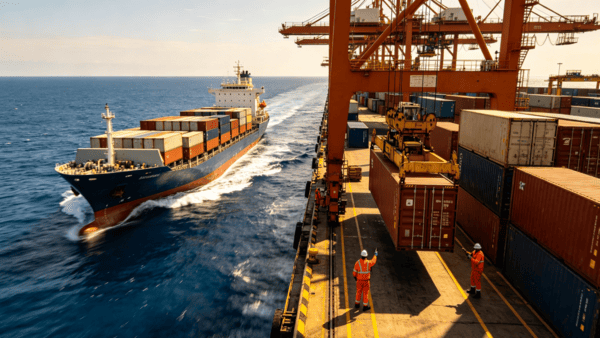
What Key Factors Should Forwarders Consider When Choosing a Transshipment Port Among World Major Ports?
When selecting a transshipment port from the World Major Ports, forwarders must consider several critical factors, including geographic location, operational efficiency, connectivity, cost, and cargo-specific capabilities. These factors collectively determine the suitability of a port for a given shipment.
How Does Geographic Location Impact Transshipment Port Selection?
Geographic location is a primary factor in transshipment port selection, as it determines the port’s access to major shipping routes and its proximity to the cargo’s origin and destination. A well-located port can significantly reduce transit time and shipping costs.
Ports situated at the intersection of major trade routes, such as Singapore Port and Dubai’s Jebel Ali Port, are often preferred for transshipment due to their ability to connect multiple regional and global trade lanes. According to Singapore Port’s 2025 annual report, the port handles over 45.1 million TEUs annually, with more than 72% of this volume being transshipment cargo, thanks to its strategic location between the Indian and Pacific Oceans.
Proximity to the final destination is also important. For example, forwarders shipping cargo to European destinations may prefer to use Rotterdam or Hamburg as transshipment hubs, as these ports are located close to major European markets and have excellent inland connectivity. Similarly, cargo bound for East Asia may be transshipped via Shanghai or Busan, reducing the final leg of the journey and associated costs.
What Role Does Operational Efficiency Play in Transshipment Port Selection?
Operational efficiency, including cargo handling speed, vessel turnaround time, and congestion levels, is crucial for transshipment, as delays at the transshipment port can disrupt the entire supply chain. Efficient ports minimize waiting times and ensure timely cargo transfer.
According to the World Bank’s 2025 Container Port Performance Index (CPPI), ports such as Qingdao Port (China) and Tanjung Pelepas Port (Malaysia) rank highly in operational efficiency, with average vessel turnaround times of less than 22 hours. Qingdao Port’s 2025 data shows that its automated container terminals achieve a handling efficiency of 42 moves per hour per crane, significantly reducing the time required to transfer cargo between vessels.
A common mistake is for forwarders to overlook congestion levels when selecting a transshipment port. Even highly efficient ports can experience congestion during peak periods, leading to delays. According to Freightos Baltic Index (FBX) 2026 Q1 data, European ports such as Rotterdam and Antwerp experienced average vessel waiting times of 68-79 hours during peak shipping seasons, highlighting the need to monitor congestion trends closely.
How Important Is Connectivity for a Transshipment Port?
Connectivity, both maritime and inland, is essential for a transshipment port, as it ensures that cargo can be quickly and efficiently transferred between vessels and transported to its final destination. A port with strong connectivity reduces the risk of delays and improves overall supply chain efficiency.
Maritime connectivity refers to the number of shipping lines and routes served by the port. World Major Ports such as Shanghai Port and Singapore Port have connections to over 650 ports worldwide, offering forwarders a wide range of options for routing cargo. According to Shanghai Port’s 2025 annual report, the port has 221 regular international shipping routes, covering all major global trade regions.
Inland connectivity is equally important, as it determines how quickly cargo can be moved from the port to inland destinations. Ports with well-developed sea-rail intermodal services, such as Qingdao Port and Hamburg Port, offer significant advantages for forwarders. Qingdao Port added 5 inland port stations in 2025, with sea-rail intermodal container volume reaching 2.829 million TEUs, a year-on-year increase of 11%.
How Can Forwarders Evaluate the Transshipment Capabilities of World Major Ports?
Evaluating the transshipment capabilities of World Major Ports requires a structured approach that includes analyzing key performance indicators (KPIs), reviewing port data, and considering cargo-specific requirements. This evaluation ensures that the selected port can meet the forwarder’s operational needs.
Analyze Key Performance Indicators (KPIs): Focus on KPIs such as vessel turnaround time, cargo handling efficiency, and congestion rates. These metrics provide insights into the port’s operational performance. For example, a port with a low vessel turnaround time and high handling efficiency is more likely to ensure timely transshipment.
Review Port Throughput Data: Throughput data indicates the port’s capacity to handle large volumes of cargo. According to UNCTAD 2025 data, the top 10 World Major Ports handle over 52% of global container throughput, making them reliable choices for transshipment. Forwarders should look for ports with stable or growing throughput, as this indicates consistent operational capacity.
Assess Cargo-Specific Capabilities: Different ports have specialized capabilities for handling specific types of cargo, such as bulk, liquid, or hazardous goods. For example, Ningbo-Zhoushan Port is well-equipped to handle bulk cargo, while Singapore Port excels in container transshipment. Forwarders should select a port that matches the type of cargo being shipped.
Check Digital and Technological Infrastructure: Ports with advanced digital systems, such as real-time cargo tracking and automated handling, can significantly improve transshipment efficiency. For example, Xiamen Port’s 5G-enabled automated terminal allows for real-time monitoring of cargo movement, reducing the risk of errors and delays.
Evaluate Cost Competitiveness: Compare transshipment costs, including handling fees, storage fees, and inland transport costs, across different World Major Ports. While cost should not be the sole determining factor, it is an important consideration for optimizing overall shipping costs.
The recommended approach is to create a scoring system that weights each of these factors based on the forwarder’s specific needs. For example, a forwarder handling time-sensitive cargo may prioritize operational efficiency and connectivity, while a forwarder focused on cost control may place more weight on transshipment fees.
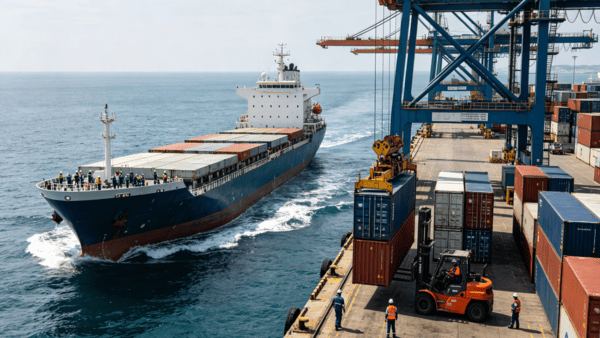
What Are the Common Challenges in Transshipment Through World Major Ports, and How to Mitigate Them?
Transshipment through World Major Ports can present several challenges, including congestion, regulatory complexities, and coordination issues between shipping lines and port authorities. Forwarders can mitigate these challenges through proactive planning and strategic partnerships.
How to Address Port Congestion in Transshipment?
Port congestion is one of the most common challenges in transshipment, as it can lead to delays, increased costs, and missed client deadlines. Forwarders can mitigate this challenge by monitoring congestion trends and adjusting their shipping schedules accordingly.
According to Freightos Baltic Index (FBX) 2026 Q1 data, congestion is most severe at European and North American ports during peak shipping seasons (June-August and November-December). Forwarders can avoid these peak periods by adjusting their shipment timelines or selecting alternative transshipment ports with lower congestion levels, such as Piraeus Port in Greece or Jebel Ali Port in the UAE.
Another effective strategy is to partner with port operators and shipping lines to secure priority berthing and handling. Many World Major Ports offer priority services for regular clients, which can significantly reduce waiting times. Forwarders should also leverage digital tools to monitor real-time congestion data and make informed decisions about transshipment timing.
How to Navigate Regulatory Complexities in Transshipment?
Regulatory complexities, such as customs procedures and import/export restrictions, can complicate transshipment through World Major Ports. Forwarders must ensure compliance with local regulations to avoid delays and penalties.
Forwarders should note that regulatory requirements vary by port and country. For example, ports in the European Union require strict compliance with customs documentation and environmental regulations, such as the EU Emissions Trading System (ETS), while ports in Asia may have different requirements for hazardous cargo. It is essential to work with local agents or customs brokers who are familiar with the regulatory landscape of the selected transshipment port.
The recommended approach is to review regulatory requirements well in advance of shipping and ensure that all documentation is complete and accurate. This includes verifying that the cargo meets local safety and environmental standards, and that all necessary permits and licenses are obtained.
What Are the Emerging Trends in Transshipment Using World Major Ports?
The landscape of transshipment using World Major Ports is evolving, driven by technological innovation, sustainability initiatives, and shifting global trade patterns. These trends are reshaping how forwarders approach transshipment and creating new opportunities for optimization.
How Is Digitalization Transforming Transshipment Operations?
Digitalization is revolutionizing transshipment operations by improving transparency, efficiency, and coordination. World Major Ports are increasingly adopting digital technologies such as blockchain, AI, and real-time tracking to streamline cargo transfer processes.
Blockchain technology, for example, is being used to simplify documentation and improve cargo tracking. According to UNCTAD 2025 data, over 35% of World Major Ports have implemented blockchain-based cargo tracking systems, reducing paperwork and improving transparency. This allows forwarders to monitor the status of their cargo in real time, reducing the risk of loss or delay.
AI-powered port management systems are also becoming more common, helping ports optimize vessel scheduling and cargo handling. For example, Singapore Port’s AI-driven vessel scheduling system has reduced waiting times by 15% and improved overall operational efficiency by 20%, according to the port’s 2025 annual report.
How Are Sustainability Initiatives Impacting Transshipment Through World Major Ports?
Sustainability is becoming an increasingly important consideration in transshipment, as forwarders and clients seek to reduce their carbon footprint. World Major Ports are investing in green infrastructure and sustainable practices to support eco-friendly transshipment.
Many ports are transitioning to electric cranes, renewable energy sources, and eco-friendly storage facilities. For example, Rotterdam Port has invested in wind and solar energy to power its operations, reducing carbon emissions by 38% between 2020 and 2025, according to the port’s 2025 sustainability report. Forwarders can leverage these green ports to meet their clients’ sustainability goals and reduce their environmental impact.
Forwarders should note that sustainability initiatives may also impact transshipment costs, as green ports may charge slightly higher fees for their services. However, the long-term benefits, including improved brand reputation and compliance with environmental regulations, often outweigh these costs.
What Strategies Can Forwarders Adopt to Optimize Transshipment Through World Major Ports?
Forwarders can adopt several strategies to optimize transshipment through World Major Ports, including diversifying port options, leveraging digital tools, and building strategic partnerships. These strategies help improve efficiency, reduce costs, and minimize risks.
Diversify Transshipment Port Options: Relying on a single transshipment port can increase the risk of disruptions due to congestion, natural disasters, or policy changes. Forwarders should identify 2-3 alternative World Major Ports that can serve as backup hubs, ensuring continuity in case of issues at the primary port.
Leverage Digital Tools for Planning and Monitoring: Use digital platforms and data analytics tools to monitor port performance, track cargo in real time, and optimize shipping schedules. Tools such as UNCTAD’s statistics portal and port-specific tracking systems provide valuable data to support informed decision-making.
Build Strategic Partnerships: Collaborate with port operators, shipping lines, and local agents to improve coordination and access to priority services. Strong partnerships can help forwarders secure better rates, reduce waiting times, and navigate regulatory complexities more effectively.
Align Transshipment Decisions with Cargo Requirements: Tailor the selection of transshipment ports to the specific needs of the cargo. For example, time-sensitive cargo may require a port with high operational efficiency, while bulk cargo may require a port with specialized handling facilities.
Regularly Review and Update Transshipment Strategies: Global trade patterns, port capabilities, and regulatory requirements are constantly changing. Forwarders should regularly review their transshipment strategies and update them based on the latest data and trends to ensure ongoing optimization.
A common mistake is for forwarders to rely on outdated transshipment strategies that do not account for changes in port performance or trade trends. Regularly reviewing and updating strategies ensures that forwarders remain competitive and able to meet their clients’ evolving needs.
In conclusion, strategic transshipment through the World Major Ports is a vital component of global freight forwarding, offering forwarders the opportunity to optimize supply chains, reduce costs, and improve client satisfaction. By understanding the key factors in port selection, evaluating port capabilities, mitigating common challenges, and adopting emerging trends and strategies, forwarders can make informed decisions that drive operational success. The World Major Ports will continue to play a central role in global transshipment, and forwarders who leverage their capabilities effectively will be better positioned to thrive in the dynamic global logistics industry.
Last
Risk Boundaries: Comparing Operational Duties for FOB, CIF, and DDP
In global freight forwarding, clarifying risk boundaries and operational duties for FOB, CIF, and DDP is essential to avoid disput
Next
Incoterms Mastery: Defining Roles Under FOB, CIF, EXW, and DDP
In the dynamic landscape of global freight forwarding, mastering Incoterms—especially FOB, CIF, EXW, and DDP—is critical for clari
