Reducing Trucking Idle Time During the Container Pickup Process
Freight Knowledge
 11-May-2026
Trucking idle time is a persistent challenge in the Container Pickup Process, draining forwarders’ profits and hindering supply chain efficiency. Addressing this issue requires a deep understanding of its causes and targeted, data-driven solutions tailored to global freight operations.
What Is Trucking Idle Time in the Context of the Container Pickup Process?
Trucking idle time refers to periods when a truck’s engine runs without moving during the Container Pickup Process, often occurring at ports, terminals, or checkpoints. It is distinct from necessary waiting and directly impacts operational costs and sustainability.
Unlike planned stops for driver rest or cargo inspection, idle time during container pickup is typically unplanned and avoidable. It occurs when trucks wait to enter ports, locate containers, complete documentation, or load cargo—all stages where inefficiencies can cause unnecessary engine idling.
Forwarders should note that idle time is not a trivial issue; even short periods of idling add up across a fleet, leading to significant cumulative costs. For example, a single truck idling for just 30 minutes per day can consume over 1.5 gallons of fuel, a cost that multiplies for forwarders managing dozens or hundreds of weekly container pickups.
According to UNCTAD 2025 data, trucking idle time accounts for 20-25% of total trucking hours during the Container Pickup Process in developing markets, while developed markets see lower but still impactful rates of under 10%. This gap highlights the room for improvement in global freight operations.
Why Is Reducing Trucking Idle Time Critical for Global Forwarders?
Reducing trucking idle time is critical for global forwarders because it directly lowers operational costs, improves sustainability, and enhances supply chain reliability—all key factors in maintaining competitiveness in the global market.
Financial Impact of Idle Time on Forwarders
The financial impact of idle time is substantial. According to the U.S. Environmental Protection Agency (EPA) 2025 data, a typical long-haul truck that eliminates unnecessary idling can save over 900 gallons of fuel each year, translating to thousands of dollars in cost savings for forwarders. When scaled across a fleet, these savings can significantly improve profit margins.
A common mistake is focusing solely on ocean freight rates while overlooking the costs associated with trucking idle time. Many forwarders fail to track idle time-related expenses, such as fuel waste, increased maintenance, and driver overtime, leading to understated operational costs.
Sustainability and Regulatory Compliance Benefits
Sustainability is another key driver. Idling trucks emit significant greenhouse gases and air pollutants, which can lead to regulatory penalties in regions with strict environmental standards. Forwarders that reduce idle time not only cut costs but also meet growing customer demand for eco-friendly supply chain practices.
Additionally, reducing idle time improves supply chain reliability. Idle-related delays can cause missed delivery windows, leading to customer dissatisfaction and potential loss of business. In an industry where timeliness is a key differentiator, minimizing idle time helps forwarders maintain consistent service levels.
What Are the Main Causes of Trucking Idle Time During the Container Pickup Process?
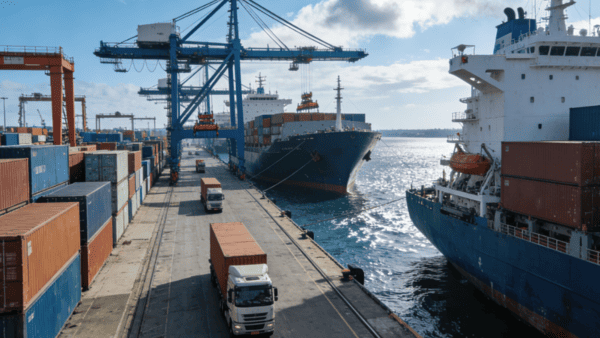
The main causes of trucking idle time during the Container Pickup Process include port congestion, inefficient documentation, poor scheduling, and communication gaps between stakeholders. These factors often interact, amplifying delays and idle time.
Port and Terminal Congestion: Port congestion is a leading cause of idle time, with trucks waiting hours to enter terminals or access containers. According to Drewry 2026 Q1 Global Container Shipping Report, 16% of container ships experience delays exceeding 24 hours at major ports, which ripples down to trucking operations.
Inefficient Documentation Processing: Delays in document verification—such as bill of lading (B/L), customs clearance forms, or container release orders—force trucks to idle while drivers wait for approval. A 2025 Freightos report found that 38% of document-related delays during container pickup result in truck idle time exceeding one hour.
Poor Scheduling and Appointment Misses: Many ports require advance appointments for container pickup, and missing these windows leads to long idle periods. Forwarders often fail to account for traffic or last-minute schedule changes, resulting in trucks arriving outside of appointment slots.
Container Location and Equipment Issues: Idle time occurs when trucks arrive at ports but cannot locate containers or when terminal equipment (such as automated stack cranes, ASCs) is unavailable. This is often due to outdated tracking systems or poor coordination between terminals and forwarders.
Communication Gaps: Miscommunication between forwarders, trucking companies, ports, and customs authorities can lead to unnecessary idle time. For example, delayed notifications about container availability or document errors can leave trucks waiting without clear instructions.
Forwarders should note that these causes are not isolated; a single inefficiency in documentation can lead to missed appointments, which in turn contributes to port congestion and increased idle time. Addressing idle time requires a holistic approach that targets all interconnected factors.
How Can Forwarders Reduce Trucking Idle Time Through Better Scheduling and Planning?
Forwarders can reduce trucking idle time through better scheduling and planning by leveraging data, optimizing appointments, and building buffers for potential delays. Proactive planning is key to minimizing unplanned idle periods.
Optimize Port Appointment Scheduling: The recommended approach is to use port online appointment systems immediately after a container arrives at the port, rather than waiting until the last minute. This ensures forwarders secure time slots that align with truck availability and reduce waiting.
Build Buffer Time into Schedules: When scheduling truck departures, include 30-60 minutes of buffer time to account for traffic congestion, unexpected port delays, or last-minute changes. This helps ensure trucks arrive on time for their appointments, avoiding idle time from missed slots.
Leverage Real-Time Traffic and Port Data: Use real-time traffic monitoring tools and port congestion updates to adjust truck routes and departure times. According to Shanghai Shipping Exchange 2025 data, forwarders that use real-time data reduce appointment misses by 40%, cutting idle time significantly.
Coordinate with Trucking Partners: Maintain close communication with trucking partners to share appointment details, schedule changes, and container status updates. This ensures drivers have all necessary information to proceed efficiently, reducing idle time from confusion or misinformation.
Plan Pickups in Batches: When possible, schedule multiple container pickups at the same port or terminal on the same day. This reduces the number of trips and minimizes idle time associated with multiple entries and exits from ports.
A common mistake is over-scheduling trucks without accounting for port capacity or peak hours. Forwarders often assume ports can handle high volumes of trucks simultaneously, leading to congestion and prolonged idle time. By aligning schedules with port capacity, forwarders can avoid this inefficiency.
What Role Does Technology Play in Reducing Trucking Idle Time?
Technology plays a pivotal role in reducing trucking idle time by improving visibility, automating manual tasks, and enabling real-time communication between stakeholders. The right tech tools can streamline processes and minimize unplanned delays.
Real-Time Tracking and Visibility Tools
Real-time tracking tools allow forwarders to monitor truck locations, container status, and port congestion in real time. These tools provide alerts for potential delays, enabling forwarders to adjust schedules proactively and reduce idle time.
According to UNCTAD 2025 data, forwarders using real-time tracking tools reduce trucking idle time by an average of 42% compared to those relying on manual tracking methods. These tools also provide transparency to customers, improving trust and satisfaction.
Forwarders should note that not all tracking tools are the same; choosing tools that integrate with port terminal systems, trucking fleet software, and customs databases is essential for comprehensive visibility into the Container Pickup Process.
Automated Documentation and Clearance Systems
Automated documentation systems streamline the verification process, reducing delays that cause truck idle time. These systems digitize bills of lading, customs forms, and release orders, allowing for real-time verification and approval.
The recommended approach is to implement a digital document management system that integrates with customs authorities and port terminals. According to Freightos 2025 data, forwarders using automated documentation systems reduce document-related idle time by 38%.
Idle Monitoring and Management Tools
Idle monitoring tools track when and why trucks are idling, providing data to identify patterns and inefficiencies. These tools can alert drivers and forwarders to unnecessary idle time, enabling immediate action to shut down engines when waiting.
For example, some tools use GPS and engine data to distinguish between necessary idle time (such as for climate control in extreme weather) and unnecessary idle time (such as waiting for documentation). This data helps forwarders implement targeted idle reduction strategies.
How Can Forwarders Collaborate with Ports and Terminals to Reduce Idle Time?
Forwarders can collaborate with ports and terminals to reduce idle time by participating in port community systems, providing feedback on inefficiencies, and adopting port-recommended technologies. Partnership is key to streamlining the Container Pickup Process.
Participate in Port Community Systems (PCS): Port Community Systems are digital platforms that connect all stakeholders, including forwarders, terminals, customs, and trucking companies. By joining these systems, forwarders gain real-time access to container status, appointment availability, and port congestion data.
Establish Direct Communication Channels: Build direct lines of communication with port terminal managers and staff. This allows forwarders to quickly resolve issues such as container misplacement or equipment breakdowns, reducing idle time for trucks.
Provide Feedback on Process Inefficiencies: Forwarders are on the front lines of the Container Pickup Process and often have valuable insights into port inefficiencies. Sharing feedback with terminal managers can help improve appointment systems, container tracking, and entry/exit processes.
Adopt Port-Recommended Technologies: Many ports are investing in technologies like automated container tracking and contactless pickup processes. Forwarders that adopt these technologies align their operations with port efficiency goals, reducing idle time.
A successful example of this collaboration is the 2025 “Smart Empty Container Supervision” model implemented at Qingdao Port. According to Qingdao Customs 2025 data, this model reduced empty container release time from 1.5 days to 5 minutes, significantly cutting truck idle time for forwarders operating at the port.
What Are the Cost and Sustainability Benefits of Reducing Trucking Idle Time?
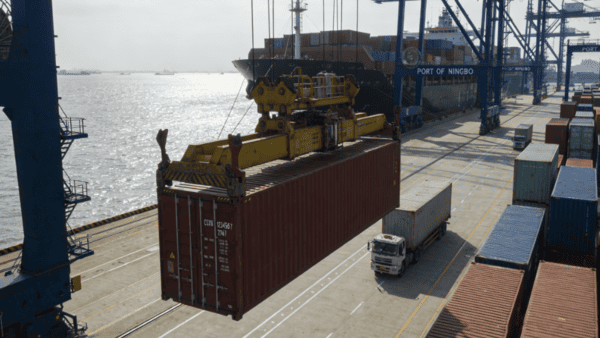
Reducing trucking idle time offers significant cost and sustainability benefits for forwarders, including lower fuel costs, reduced maintenance expenses, and decreased environmental impact. These benefits improve both profitability and brand reputation.
Cost Savings from Reduced Idle Time
Fuel cost savings are the most immediate benefit. According to the EPA 2025 data, each hour of idle time consumes approximately 0.8 gallons of diesel fuel. For a forwarder with 50 trucks idling an average of 2 hours per day, this translates to over 29,000 gallons of fuel wasted annually—equating to thousands of dollars in unnecessary costs.
Reduced maintenance costs are another key benefit. Idling increases engine wear and tear, leading to more frequent oil changes, engine repairs, and component replacements. According to a 2025 FIATA survey, forwarders that reduced idle time by 50% saw a 15% decrease in truck maintenance costs.
Sustainability and Regulatory Benefits
Forwarders should note that sustainability benefits also translate to business opportunities. As more customers prioritize eco-friendly supply chains, forwarders that reduce idle time and carbon emissions can attract and retain clients who value sustainability.
Additionally, reducing idle time helps forwarders comply with environmental regulations. Many regions, including the European Union and parts of the United States, have strict idling restrictions and emissions standards. Avoiding idle time reduces the risk of fines and penalties, further protecting profitability.
What Common Mistakes Do Forwarders Make When Trying to Reduce Idle Time?
Forwarders often make avoidable mistakes when trying to reduce idle time, such as ignoring data, underinvesting in technology, and failing to align with stakeholders. Recognizing these mistakes is critical to implementing effective solutions.
Ignoring Idle Time Data: A common mistake is failing to track and analyze idle time data. Without understanding when, where, and why idle time occurs, forwarders cannot implement targeted solutions. Many forwarders rely on estimates rather than concrete data, leading to ineffective strategies.
Underinvesting in Technology: Some forwarders hesitate to invest in tracking, automation, or idle monitoring tools, assuming the cost is too high. However, the savings from reduced idle time often outweigh the investment—many forwarders recoup technology costs within 6-12 months.
Neglecting Driver Training: Drivers play a key role in reducing idle time, but many forwarders fail to train them on idle reduction best practices. For example, drivers may not know to shut down engines during long waits or how to use technology to avoid unnecessary idling.
Overlooking Stakeholder Coordination: Reducing idle time requires collaboration with trucking companies, ports, and customs authorities. Forwarders that work in isolation often struggle to address systemic inefficiencies that cause idle time.
The recommended approach is to conduct a comprehensive audit of current idle time practices, collect and analyze data, and invest in both technology and training. By addressing these common mistakes, forwarders can significantly reduce idle time and improve operational efficiency.
What Best Practices Should Forwarders Adopt to Sustainably Reduce Idle Time?
Forwarders should adopt a set of best practices to sustainably reduce idle time, including data-driven decision-making, stakeholder collaboration, continuous improvement, and driver engagement. These practices ensure long-term efficiency gains.
Track and Analyze Idle Time Data: Implement a system to track idle time across all trucks, including duration, location, and cause. Use this data to identify patterns and prioritize improvement areas, such as specific ports or documentation processes.
Invest in Driver Training: Provide regular training for drivers on idle reduction techniques, such as shutting down engines during waits, using auxiliary power units (APUs) for climate control, and following efficient pickup routes.
Collaborate with All Stakeholders: Work closely with trucking partners, ports, customs authorities, and technology providers to streamline the Container Pickup Process. Regular meetings and feedback loops help address inefficiencies collectively.
Implement Continuous Improvement: Regularly review idle time data and adjust strategies as needed. The Container Pickup Process is dynamic, and forwarders should adapt to changes in port operations, regulations, and technology.
Set Realistic Goals: Establish measurable idle time reduction goals, such as a 20% decrease within six months. Track progress and celebrate milestones to keep teams motivated and focused on sustainability.
Forwarders should note that there is no one-size-fits-all solution to reducing idle time. The most effective strategies depend on factors such as the ports used, the size of the truck fleet, and the specific challenges faced in the Container Pickup Process. By adopting these best practices, however, forwarders can achieve sustainable reductions in idle time.
In conclusion, reducing trucking idle time during the Container Pickup Process is a critical step for global forwarders to improve profitability, sustainability, and supply chain reliability. By understanding the causes of idle time, leveraging technology, collaborating with stakeholders, and avoiding common mistakes, forwarders can implement effective solutions that deliver long-term benefits. As the global shipping industry continues to evolve, forwarders that prioritize idle time reduction will be better positioned to compete in a dynamic and increasingly competitive market, while also contributing to a more sustainable future for the freight industry. The Container Pickup Process is a key component of global freight operations, and optimizing every stage—including minimizing trucking idle time—will ensure forwarders can meet the demands of their customers and the industry.
Last
Avoiding Extra Charges: Mastering the Container Return Process
For global freight forwarders, efficiently managing the Container Return Process is critical to reducing operational costs and mai
Next
Drayage Management: Expediting the Container Pickup Process at Ports
In the complex landscape of international freight forwarding, efficient drayage management is critical to streamlining the Contain
