Bypassing spot market middle men discovering how to choose direct CARRIER booking channels mitigating sudden supply chain cost spikes
Freight Experience
 26-Jun-2026
Learning how to choose booking channels helps global freight forwarders eliminate redundant spot market intermediaries and secure stable direct CARRIER resources to control fluctuating supply chain costs. Ongoing volatility in maritime freight rates and frequent route adjustments have reshaped freight procurement logic, making direct booking mechanisms essential for stabilizing operational expenditure and shipment consistency. Forwarders across diverse regional markets adopt standardized channel selection criteria to reduce intermediate markup risks amid unstable market conditions.
What are direct CARRIER booking channels in maritime logistics?
Direct CARRIER booking channels refer to official cooperative pathways enabling forwarders to reserve vessel slots and confirm shipment terms directly with shipping lines without third-party brokerage intermediaries. These channels simplify multi-layer procurement procedures and remove unnecessary intermediate service markups.
Compared with indirect spot channels operated by secondary brokers, direct CARRIER booking modes feature standardized contractual clauses, officially released freight rates, and verified slot allocation mechanisms. Such standardized settings reduce unregulated operational links and lower the occurrence of irregular service deviations.
According to UNCTAD 2025 Review of Maritime Transport data, continuous supply chain turbulence and frequent global route rerouting have pushed intermediate transaction costs in international shipping to maintain an upward trend. A growing number of logistics enterprises integrate direct booking modes into daily operations to optimize procurement structures and control variable logistics expenses.
Why do intermediary spot channels cause supply chain cost fluctuations?
Spot market channels relying on intermediary brokers generate additional service markups, unstable resource transfers, and inconsistent service standards that drive up comprehensive logistics costs during market shifts. These hidden variable costs serve as key factors leading to unstable profit performance for forwarding enterprises.
During cycles of tight vessel capacity or regional route policy adjustments, intermediary platforms adjust spot freight rates dynamically according to real-time market supply and demand. This floating pricing mode creates cost uncertainties for forwarders with long-term fixed client shipment schedules.
A common mistake is relying excessively on intermediary spot resources for regular bulk shipment arrangements. This operational habit makes forwarding enterprises vulnerable to passive cost increases during peak shipping seasons and occasional supply chain disruptions.
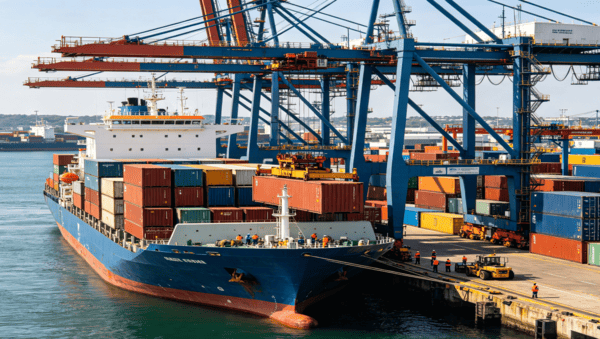
According to Freightos Baltic Index 2024–2025 continuous monitoring data, intermediate service fees and floating spot premiums bring extra cost pressure for forwarding enterprises without stable direct CARRIER cooperative resources.
What practical benefits do direct CARRIER booking channels provide?
Direct CARRIER booking channels deliver stable pricing frameworks, verified slot reservation guarantees, and standardized after-sales service systems to relieve sudden supply chain cost fluctuations. These practical advantages support stable and sustainable operational management for global forwarding firms.
Stabilize long-term freight pricing levels: Long-term direct cooperation with CARRIERS allows forwarders to sign seasonal or annual framework contracts with fixed floating rate ranges. Contract-based pricing avoids frequent spot market fluctuations and supports predictable cost budgeting for bulk shipment arrangements.
Cut down intermediate markup expenses: Removing secondary brokerage and agent layers eliminates redundant service fees and irregular temporary surcharges. All pricing items and settlement rules are officially released and unified by cooperative CARRIERS.
Obtain stable slot allocation qualifications: Forwarders with formal direct CARRIER cooperation enjoy stable slot reservation access during capacity shortages. This cooperative privilege reduces cargo detention risks caused by insufficient vessel slots in peak shipping cycles.
Acquire official exception handling support: Direct communication with CARRIER operation and customer service teams improves response efficiency for common anomalies including vessel schedule adjustments, container reallocation, and route modification issues.
Forwarders should note that direct CARRIER booking channels cannot fully replace intermediary spot channels. Mixed channel deployment represents one of the commonly adopted approaches for most forwarding enterprises to balance operational flexibility and cost stability in current market environments.
How to verify the credibility of direct CARRIER booking resources?
Scientific multi-dimensional verification standards enable forwarders to screen reliable direct CARRIER booking resources matching their business scale and route layout. Systematic inspection mechanisms prevent ineffective cooperation and resource waste.
Validate official CARRIER cooperative qualifications: Inspect valid partnership authorization and formal certification documents issued by mainstream ocean CARRIERS. Official qualification credentials ensure the legality of slot allocation and the authenticity of released freight rates.
Assess route coverage matching performance: Prioritize CARRIER resources that fully cover core trading lanes of enterprise client shipments. Well-matched route networks reduce transshipment frequency and shorten overall cargo transit cycles.
Evaluate contracted rate fluctuation stability: Compare historical contracted rate fluctuation ranges with public industry benchmark data released by Drewry 2025. Credible direct booking channels maintain mild and controllable rate variations across different market cycles.
Check peak-season slot supply stability: Review historical slot reservation success rates during traditional shipping peak periods and regional supply chain emergencies. Stable resource supply capacity reflects mature operational management of cooperative CARRIERS.
Inspect standardized after-sales service systems: Evaluate CARRIER’s formal processing workflows for cargo tracking, detention dispute mediation, and document modification. Complete service systems reduce invisible operational losses caused by abnormal shipments.
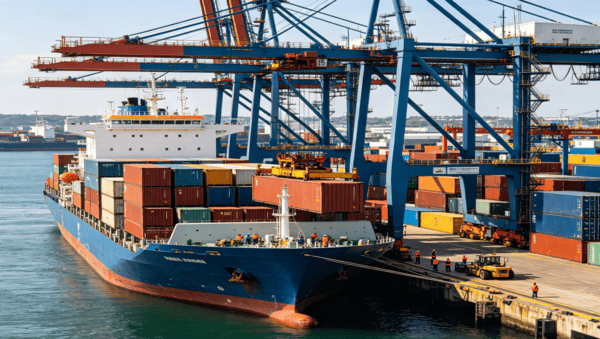
The recommended approach is to conduct two to three months of trial contracted cooperation before signing long-term framework agreements. Practical shipment operation data serves as credible reference for formal long-term resource confirmation.
What allocation methods relieve sudden supply chain cost spikes?
Balanced resource allocation between direct CARRIER booking channels and formal intermediary spot channels helps forwarders buffer market volatility risks and stabilize comprehensive logistics costs. Differentiated resource matching adapts to diversified shipment demands.
Adopt direct CARRIER channels for regular bulk shipments: Arrange stable client bulk cargo via contracted direct booking resources to lock long-term pricing and slot advantages. This allocation mode maintains steady profit margins for core long-term business orders.
Reserve formal spot channels for temporary shipments: Retain standardized intermediary spot resources to handle small-batch, temporary, and emergency shipment demands. Flexible spot channels complement relatively fixed contracted resource arrangements.
Adjust channel proportion according to market cycles: Increase the proportion of direct contracted resources during market volatility and peak shipping seasons to mitigate cost surges. Appropriately expand formal spot channel application during stable market periods to improve operational flexibility.
Match exclusive channels for different route types: Apply direct CARRIER booking for mature high-frequency trading routes and adopt diversified formal spot resources for emerging low-frequency lanes to balance operational stability and cost advantages.
Forwarders should note that dynamic channel proportion adjustment requires regular data sorting and statistical analysis. Continuous optimization of resource allocation structures helps enterprises adapt to evolving maritime market operation rules.
What common operational flaws amplify supply chain risks?
Non-standard direct booking operations and unreasonable resource allocation may weaken enterprise risk resistance capacity and trigger avoidable cost losses. Summarizing typical operational flaws helps standardize daily freight procurement management.
Signing overly rigid long-term contracts: A common mistake is prioritizing long-term pricing stability without reserving flexible resource space. Excessively rigid contractual agreements may lead to resource idleness when client shipment volumes decline periodically.
Neglecting route matching during CARRIER selection: Cooperating with well-known CARRIERS blindly without considering core business route compatibility increases unnecessary transshipment costs and prolongs cargo transit time.
Omitting regular contract price reviews: Failure to compare contracted rates with real-time industry benchmark data on a regular basis may result in long-term procurement costs higher than the industry average level.
Relying on single direct CARRIER resource: Long-term dependence on only one CARRIER’s direct booking channels creates concentrated operational risks. Temporary CARRIER capacity adjustment or policy revision may affect business operational continuity.
2025 professional industry analysis shows that forwarding enterprises equipped with multi-CARRIER direct booking systems and flexible formal spot resource reserves maintain relatively stable operational costs amid frequent supply chain adjustments and global route rerouting events.
How to build a low-risk direct booking channel system for long-term operation?
Constructing a hierarchical and classified direct CARRIER booking system helps forwarders bypass intermediary markup links and respond efficiently to supply chain cost fluctuations. Systematic resource layout consolidates the foundation of long-term stable business operation.
Establish multi-CARRIER core cooperative resources: Sign formal framework partnership agreements with multiple mainstream CARRIERS covering core business routes. Diversified resource layout avoids single-point operational risks and improves overall resource stability.
Negotiate flexible contract volume clauses: Add adjustable shipment volume floating terms in long-term contracts to adapt to seasonal business changes and periodic client demand fluctuations.
Build monthly cost benchmark comparison mechanisms: Regularly compare contracted direct booking costs with spot market prices and industry authoritative data to dynamically optimize pricing advantages.
Link channel performance with service quality evaluation: Track key indicators including on-time shipment rate, operational exception rate, and transit stability of direct booking channels to iterate and optimize cooperative resources continuously.
In recent years, increasing geopolitical adjustments and global maritime route reorganizations have intensified supply chain cost uncertainty for international forwarding businesses. Mastering how to choose booking channels and building standardized multi-CARRIER direct booking systems enable forwarders to reduce redundant intermediary links, mitigate unexpected cost spikes, and sustain stable profitability in complex and changeable maritime logistics markets.
Last
Advising mid size shippers on logistics strategies showing how to choose optimal BOOKING CHANNELS balancing transit speed and cost
Learning how to choose booking channels allows forwarders to formulate customized logistics solutions for mid-size shippers and st
Next
Explaining transit schedule failures communicating the main compliance reasons why carriers opt for deliberately rolled scheduled cargo
Reasons for Rolled Cargo cover diverse carrier regulatory compliance obligations and transit schedule failure mechanisms that lead
