Bypassing peak season port congestion predicting the hidden operational reasons responsible for heavily rolled vessel cargo
Freight Experience
 26-Jun-2026
Reasons for Rolled Cargo cover a wide range of hidden operational defects beyond observable peak season port congestion, with carrier scheduling deviations and terminal management gaps driving frequent container rollovers across global trade lanes throughout recent shipping cycles.
What differentiates peak season congestion from hidden operational rollover triggers?
Peak season port congestion refers to temporary terminal overloading caused by concentrated seasonal shipping demand, while hidden operational triggers are chronic structural flaws that induce container rollovers across all market cycles.
Most logistics practitioners link vessel cargo rolling exclusively to peak-season port crowding, yet industry data indicates that internal operational issues generate a notable share of rollover incidents during low-demand periods. These persistent structural problems create unstable shipment outcomes for global forwarding businesses.
According to UNCTAD 2025 maritime transport research, seasonal port congestion contributes to roughly 38% of annual container rollover cases. Hidden carrier and terminal operational irregularities account for approximately 52% of rolled cargo occurrences on major Asia-Pacific and European trade routes, highlighting underrecognized supply chain vulnerabilities.
How do carrier schedule bunching effects induce unplanned cargo rolling?
Vessel schedule bunching is a common operational scenario where multiple container vessels arrive at individual port terminals within narrow time windows, exceeding handling capacity and prompting proactive cargo rollover arrangements.
Route diversion schedule compression: Ongoing security risks in the Red Sea since late 2023 have prompted mainstream carriers to deploy Cape of Good Hope diversion routes. Extended voyage distances shorten turnaround intervals for subsequent sailings. According to UNCTAD 2024 global route adjustment datasets, diverted vessels tend to arrive at destination ports in concentrated batches, building unmanageable terminal operational pressure.
Cumulative delay superposition: Minor schedule disruptions from marine weather variations, canal transit restrictions, and pre-berthing waiting periods accumulate during long-haul voyages. Gradual time deviations lead to clustered vessel arrivals, leaving port terminals with insufficient time to complete full container loading before vessel departure.
Blanked sailing follow-up congestion: Carriers implement irregular blanked sailings to balance market supply and demand. Such adjustments disrupt fixed weekly service frequencies, and subsequent voyages absorb accumulated backlog cargo. The resulting vessel concentration forces port operators to roll over excess container volumes.
Forwarders should note that congestion triggered by vessel bunching creates prolonged rollover impacts compared with conventional peak-season crowding. Batch vessel arrivals disrupt terminal operational rhythms for one to two weeks, leading to continuous cargo deferrals instead of brief shipment delays.
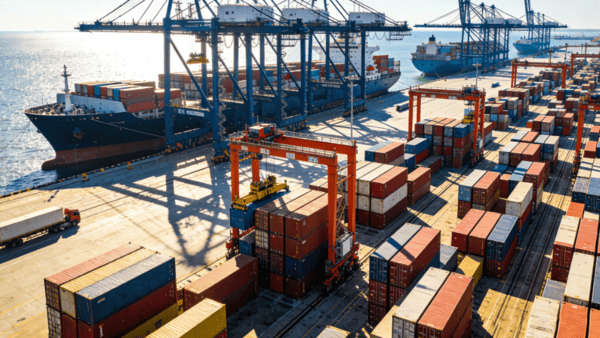
What terminal operational loopholes worsen rolled cargo risks?
Terminal operational loopholes are systematic management deficiencies that elevate container rollover probabilities whenever port traffic encounters minor volume shifts or schedule disruptions.
Yard space utilization imbalance: Major hub ports maintain elevated container yard occupancy rates across most months, limiting buffer capacity for unexpected cargo backlogs. According to 2026 operational statistics from Shanghai International Port Group, core terminal yard utilization rates stay above 85% annually, leaving limited spare space for temporarily offloaded containers and prompting necessary cargo rollovers.
Hinterland transportation matching gaps: Inefficient truck and railway dispatching slows the evacuation of full and empty containers from port precincts. Stagnant on-site container stocks occupy valuable terminal resources, reducing berth turnover efficiency and limiting valid loading windows for inbound export cargo.
Terminal equipment scheduling shortages: Delayed equipment maintenance and uneven manpower allocation reduce container handling throughput during vessel arrival surges. Insufficient mechanical and labor support slows stowage progress, resulting in incomplete loading and mandatory cargo rollovers before vessel departure.
A common mistake is that forwarding teams rely solely on public congestion announcements while neglecting real-time terminal operational metrics. Yard occupancy rates and equipment availability serve as reliable indicators for anticipating potential rolled cargo scenarios.
How do carrier stowage strategies trigger hidden cargo rollovers?
Carrier stowage strategies are standardized vessel loading protocols designed to balance navigation stability and operational expenditure, which introduce latent rollover risks for general forwarder shipments.
Weight-based stowage priority rules: Carriers allocate heavy containers to lower vessel decks to stabilize hull balance during transits. Lightweight general cargo from small and mid-sized forwarders typically occupies upper deck positions, which are among the first slots adjusted or removed during space shortages.
Transshipment cargo priority occupation: Multi-port transshipment containers receive preferential stowage treatment to avoid cascading delays across subsequent voyage segments. Direct-port cargo without transshipment requirements faces higher rollover likelihood when vessel stowage capacity reaches saturation.
Empty container preoccupation mechanisms: Shipping lines reserve partial vessel capacity for empty container repositioning to optimize global equipment distribution. During tight market cycles, reserved empty container space compresses allocated slots for full booked cargo, generating unplanned rollover events.
According to Drewry 2026 mid-year shipping operational analysis, carrier stowage adjustments contribute to approximately 27% of non-seasonal rolled cargo incidents. This operational factor remains under-monitored within conventional forwarder risk assessment frameworks.
What seasonal demand distortions aggravate operational rollover pressure?
Seasonal demand distortions refer to irregular cargo shipment patterns that deviate from traditional peak-cycle rhythms, creating unanticipated port throughput pressure and incremental rollover cases.
Advanced inventory stocking trends: Global importers progressively advance seasonal stocking schedules to mitigate tariff fluctuation and labor shortage risks. Traditional fourth-quarter shipping demand gradually shifts to second and third quarters, producing off-season demand spikes that exceed routine port and carrier operational planning thresholds.
Centralized cross-border e-commerce shipments: Expanding cross-border e-commerce activities generate concentrated small-batch container shipments ahead of major overseas retail festivals. Intensive cargo delivery volumes create short-term port throughput pressure beyond standard seasonal forecasting models.
Deferred cargo backlog superposition: Shipments delayed by earlier route disruptions and weather events accumulate and overlap with periodic seasonal peak volumes. Combined cargo surpluses exceed preset terminal and carrier handling limits, expanding the scope and duration of cargo rollovers.
Forwarders should note that conventional peak season boundaries have grown ambiguous within the modern maritime market. Irregular off-season demand surges occur at frequent intervals, increasing the complexity of cargo scheduling and risk forecasting for forwarding professionals.
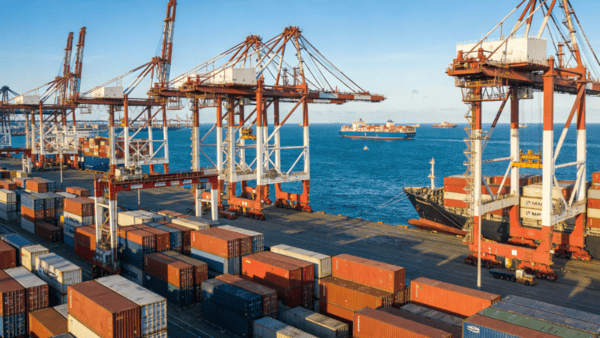
What practical tactics help forwarders bypass congestion-related rolled cargo delays?
Structured operational tactics support forwarding teams in mitigating cargo rollovers stemming from port congestion and latent shipping operational flaws, sustaining stable cross-border delivery performance.
Adopt staggered shipment scheduling: The recommended approach is to arrange cargo booking and delivery 7 to 14 days ahead of conventional peak windows. Staggered shipment planning helps forwarding businesses evade vessel bunching cycles and terminal throughput pressure periods.
Monitor terminal micro-operation data: Track real-time terminal yard occupancy, equipment maintenance status, and hinterland transit efficiency instead of depending entirely on macroscopic congestion alerts. Granular operational data enables precise adjustment of booking and delivery timelines.
Negotiate fixed stowage priority clauses: Integrate explicit stowage priority terms within carrier booking contracts. Formalized contractual terms reduce arbitrary rollover risks for general cargo during vessel load recalibrations and capacity adjustments.
Deploy multi-terminal shipment diversion: For large-batch cargo shipments, divert volumes to alternate regional port terminals when core hubs face sustained operational pressure. Diversified terminal selection lowers reliance on congested mainstream ports and reduces rollover exposure.
A common mistake is reactive shipment rescheduling after congestion or rollover incidents emerge. Proactive market monitoring and staggered scheduling serve as practical methods to reduce financial and operational losses linked to rolled cargo.
In summary, seasonal port congestion represents a visible trigger for container rollover issues, while interactive factors including vessel bunching patterns, terminal operational gaps, carrier stowage protocols, and irregular demand shifts form the practical Reasons for Rolled Cargo affecting modern global container logistics. Understanding these multi-layered operational drivers allows forwarders to build robust risk mitigation frameworks and stabilize cross-border shipment reliability amid ongoing maritime market volatility.
Last
Optimizing ocean procurement margins learning how to choose reliable digital BOOKING CHANNELS for global freight forwarding operations
Learning how to choose booking channels serves as a vital procurement capability for modern freight forwarders to stabilize ocean
Next
Investigating ocean carrier capacity cuts analyzing the reasons causing extreme delays for randomly rolled container cargo
Reasons for Rolled Cargo span operational, strategic, and geopolitical factors that drive frequent container rollovers and severe
