Preventing heavy demurrage penalties discovering how to handle stranded overbooked cargo by switching to alternative regional transit hubs
Freight Experience
 26-Jun-2026
How to Handle Overbooked Cargo is a core operational skill that enables global freight forwarders to mitigate stranded container risks and curb accumulating demurrage costs amid recurring port congestion and seasonal capacity fluctuations. In recent years, unstable maritime capacity and terminal operational bottlenecks have left sizable volumes of overbooked cargo stranded at major gateway ports, bringing sustained operational pressure and financial losses to forwarding firms. According to UNCTAD 2025 maritime transport statistics, average vessel waiting hours at global container ports maintained an upward trend throughout 2024, and congestion-induced prolonged cargo dwell time has lifted overall demurrage expenditure across mainstream trade lanes.
What causes overbooked cargo stranding at congested gateway ports?
Stranded overbooked cargo describes verified container bookings that fail to obtain vessel loading access due to carrier capacity overruns, remaining stationary at congested terminals without valid subsequent sailing arrangements. This operational issue leads to extended terminal occupation and continuous penalty accumulation for logistics service providers.
How industry booking mechanisms contribute to capacity imbalance
Most carriers adopt moderate overbooking strategies to offset container no-show rates and improve vessel space utilization, a common industrial practice that generates marginal capacity pressure under stable market conditions. When seasonal shipping demand rises notably, such routine overbooking behaviors evolve into large-scale capacity overruns. Combined with terminal congestion that slows vessel berth turnover, carriers face reduced usable slot resources and need to offload excess confirmed bookings.
What empirical data reveals about congestion-related stranding
According to Drewry 2024 global logistics cost monitoring data, port congestion and delayed vessel turnaround serve as key driving factors for prolonged cargo stranding, accounting for over 60 percent of such incidents on mainstream east-west trade routes. Without reasonable contingency routing plans, most stranded containers stay at terminals for multiple days or even weeks, forming continuous cost burdens for forwarders.
What operational flaws worsen cargo stranding consequences
A common mistake is that many forwarding teams rely merely on carrier booking confirmation documents and ignore real-time terminal dwell data monitoring. Standard commercial booking terms do not include guaranteed loading qualifications during peak congestion periods, which leaves overbooked cargo in a passive state of prolonged terminal retention. Such reactive operational modes allow demurrage and detention fees to accumulate steadily and erode project profit margins.
How do demurrage charges accumulate on stranded overbooked cargo?
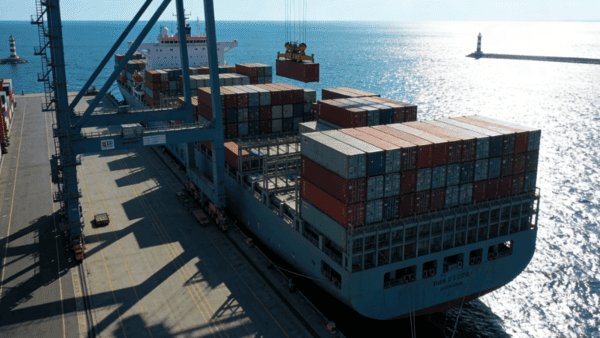
Demurrage penalties refer to daily administrative fees charged by port authorities and terminal operators for container occupation beyond contractual free dwell periods, which constitute one major controllable financial risk arising from unaddressed overbooked cargo stranding.
What is the tiered charging rule for mainstream port demurrage?
Global port demurrage charges adopt tiered progressive pricing mechanisms linked to container dwell duration. Based on 2025 global port fee benchmark data compiled by mainstream maritime research institutions, most congested hub ports impose daily demurrage fees ranging from 50 to 80 US dollars per container within the first seven overdue days. The charging standard rises gradually with extended dwell time, and the daily fee of long-staying containers may reach 200 to 300 US dollars after two weeks of terminal retention.
What secondary cost risks accompany prolonged stranding
Forwarders should note that congestion-triggered cargo stranding usually brings multi-layered incidental costs apart from basic demurrage fees. Many terminals levy temporary congestion surcharges, yard stacking management fees, and manual handling premiums for containers with long dwell cycles during peak shipping seasons. These unplanned charges increase operational cost uncertainty for forwarders without complete overbooking response mechanisms.
How do alternative regional transit hubs mitigate stranding and penalty risks?
Alternative regional transit hubs represent secondary port and logistics nodes with milder congestion status and flexible slot supply, supporting reasonable rerouting solutions for overbooked cargo stranded at saturated gateway terminals.
What operational advantages do secondary ports possess
Regional multi-hub operation modes deliver balanced values in operational flexibility and cost control for forwarders coping with overbooking crises. Different from core gateway ports that face persistent berth tension and yard saturation in peak seasons, secondary regional terminals maintain steady vessel turnover efficiency and spare stacking space. UNCTAD 2025 port performance assessment data shows that secondary regional ports record 30 to 40 percent shorter vessel anchoring and waiting time compared with large-scale global hubs during congestion peaks.
Why pre-planned rerouting outperforms emergency disposal
The recommended approach is to incorporate regional hub diversion strategies into daily overbooking contingency systems, instead of regarding cross-port rerouting as a purely emergency solution. Advance qualification of alternative ports, local drayage suppliers, and regional carrier resources enables rapid operational response when primary port stranding occurs, effectively shortening demurrage accumulation cycles.
What pre-qualification work supports efficient alternative hub application?
Regional hub pre-qualification refers to standardized resource verification and operational reserve work, which lays the foundation for rapid cargo rerouting during sudden overbooked cargo stranding incidents.
Map trade lane oriented low-congestion port resources: Forwarders can sort out secondary port clusters adjacent to core gateways based on historical congestion statistics, weekly vessel frequency, and free dwell policies. It is practical to prioritize terminals with stable sailing schedules to key destination markets and inclusive demurrage exemption rules for diverted cargo.
Verify cross-terminal transit and drayage capacity: Inspect the stability of inland trucking and inter-terminal transfer services between congested primary ports and spare regional hubs. Sign long-term fixed-rate transit agreements in advance to avoid seasonal transportation premium that offsets the cost benefits of cargo diversion.
Optimize carrier booking terms for cross-port flexibility: Negotiate universal slot validity clauses with cooperative carriers to allow cargo transfer between affiliated port terminals without extra rebooking charges. Clarify the implementation standards of overbooking-induced diversion in contracts to reduce operational disputes during market fluctuations.
Sort out differentiated port fee systems: Establish standardized fee files for each reserved regional hub, covering free dwell duration, tiered demurrage charging standards, and congestion relief waiver mechanisms. Systematic data sorting supports quick cost-benefit evaluation in urgent stranding scenarios.
How to implement standardized cargo diversion to regional hubs?
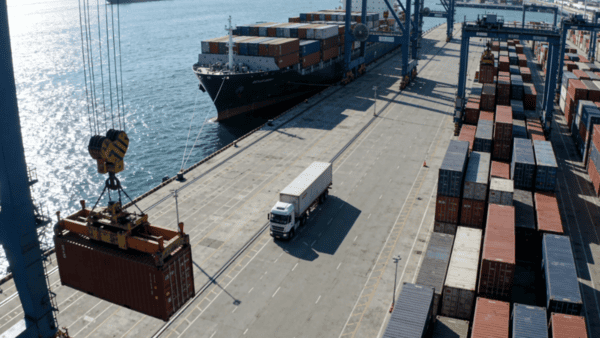
Regional hub cargo diversion is a systematic operational process to relocate stranded overbooked cargo, contain continuous penalty growth, and restore normal shipping schedules.
Evaluate stranding duration and potential penalty expenditure: Calculate the real-time container dwell time at congested terminals and predict cumulative demurrage fees if the cargo remains in place. Compare the predicted penalty cost with inter-terminal transit and alternative port handling fees to judge the economic feasibility of diversion operations.
Obtain formal carrier approval for port diversion: Submit standardized booking amendment applications to carrier account management teams, with overbooking pressure and terminal congestion listed as objective operational constraints. Secure official diversion confirmation to prevent slot reservation invalidation.
Coordinate terminal release and cross-port transportation arrangement: Communicate with primary terminal operators to arrange timely container pickup and release, avoiding additional occupancy fees during transit preparation. Arrange qualified drayage suppliers to complete stable and efficient cargo transportation to alternative hubs.
Reserve available vessel slots at regional terminals: Apply for confirmed sailing slots at the receiving regional hub immediately after diversion confirmation. Arrange relatively early available voyages to control overall shipment delay duration and maintain stable client delivery coordination.
Apply for congestion-related fee exemptions actively: Submit targeted waiver applications at both original and new terminals for overbooking and diversion-related administrative fees. Support application validity by citing industry-wide congestion records and carrier overbooking fact sheets.
What long-term measures reduce demurrage risks of overbooking events?
Long-term demurrage risk mitigation measures are cyclic operational optimization mechanisms, which help forwarders lower the overall exposure of cargo teams to recurring overbooking stranding and penalty losses.
A common mistake is that most forwarding teams handle single stranding cases separately without upgrading internal risk control systems, which leads to repeated cost losses in subsequent peak shipping cycles. Iterative strategic optimization helps enterprises form stable cost control capabilities in volatile maritime markets.
Build real-time port congestion monitoring mechanisms: Access UNCTAD periodic port performance reports and terminal official operation announcements to track congestion evolution trends. Adjust seasonal booking volume distribution appropriately when primary hub congestion indicators rise to warning ranges.
Adopt diversified dynamic booking allocation modes: Disperse seasonal cargo volumes to primary gateways and alternative regional ports in advance, instead of concentrating all booking resources on saturated core terminals. Balanced capacity allocation effectively reduces local overbooking pressure and cargo stranding probability.
Improve client contract contingency clauses: Supplement standardized demurrage cost allocation terms in service contracts for carrier overbooking and congestion-induced cargo stranding. Clear contractual rules reduce bilateral dispute risks and protect reasonable profit spaces for forwarding services.
Carry out cyclic diversion benefit analysis: Summarize historical operational data including demurrage savings, cross-port transit costs, and shipment delay duration of diversion cases. Optimize hub selection standards and diversion trigger conditions based on accumulated data experience to elevate overall response efficiency.
Against the backdrop of persistent maritime capacity imbalance and port congestion fluctuations, regional hub diversion has evolved into one of the practical operational methods for forwarders to respond to stranded cargo penalties. Skilled application of multi-hub scheduling and penalty control strategies enriches systematic solutions for How to Handle Overbooked Cargo, enabling forwarding institutions to stabilize operational cost management and improve supply chain service stability amid continuous market changes.
Last
Managing frustrated shipper expectations planning how to handle Overbooked Cargo gracefully with proactive transparent communication strategies
How to Handle Overbooked Cargo integrates standardized operational procedures and client communication tactics to help freight for

Next
Advising origin sellers on the legal return transit process for sending back refused damaged cargo at the destination customs PORT
The return process for refused cargo at destination port for damaged shipments requires rigorous Customs compliance and standardiz
