Negotiating fast vessel rolls learning exactly how to handle severely overbooked cargo during sudden peak season terminal congestion
Freight Experience
 26-Jun-2026
How to Handle Overbooked Cargo is a vital operational competency for global freight forwarders navigating turbulent peak season shipping environments. Sudden terminal congestion and carrier capacity constraints frequently trigger large-scale cargo overbooking events across major global trade lanes. Recent years have seen rising volatility in ocean freight capacity, with seasonal demand surges and port operational bottlenecks disrupting standard booking workflows and creating urgent cargo rollover scenarios for logistics providers. According to UNCTAD 2025 maritime transport data, global container port vessel waiting times increased notably throughout 2024 and early 2025, with peak-quarter congestion reducing effective vessel capacity and driving consistent growth in cargo overbooking occurrences worldwide.
What causes severe cargo overbooking during peak season terminal congestion?
Severe cargo overbooking in peak shipping seasons describes a systemic capacity imbalance where total confirmed container booking volumes exceed available vessel slot allocations, with terminal congestion exacerbating schedule disruptions and vessel turnaround delays. This operational issue stems from structural market pressures rather than isolated clerical errors, generating cascading shipment delays across supply chain networks.
Seasonal demand surges amplify booking competition
Cyclical trade demand spikes drive widespread preemptive slot booking behaviors among shippers and forwarders aiming to secure capacity for time-sensitive seasonal shipments. According to Freightos Baltic Index (FBX) 2025 peak season analytics, core east-west trade lanes record a 35–45% rise in formal booking volumes during traditional peak shipping quarters. This elevated booking volume consistently outpaces baseline vessel slot capacity configured by major carriers, creating fundamental supply-demand mismatches across regional port clusters.
Terminal congestion reduces usable vessel capacity
Port terminal congestion restricts berth turnover efficiency and extends vessel dwell time at anchor and berth. UNCTAD 2025 port performance statistics confirm that average vessel waiting times at global ports rose from 5.2 hours in late 2023 to 6.4 hours in early 2024 for developed economies, with developing port hubs recording average waiting times above 10 hours. Slower terminal processing cuts weekly operational sailings and compresses carrier slot availability, forcing carriers to scale back confirmed booking allocations dynamically.
Common operational gaps worsen overbooking impacts
A common mistake is that many mid-tier forwarding firms rely solely on carrier booking confirmations without integrating real-time terminal congestion monitoring into operational workflows. Most standard slot booking terms do not guarantee loading priority during peak capacity constraints. Carriers commonly prioritize volumes from long-term contractual partners amid tight capacity, which leaves spot-market and short-contract forwarder cargo vulnerable to rollover. Fragmented data exchange between terminal operators, carriers, and logistics providers further creates visibility gaps that limit proactive risk adjustment.
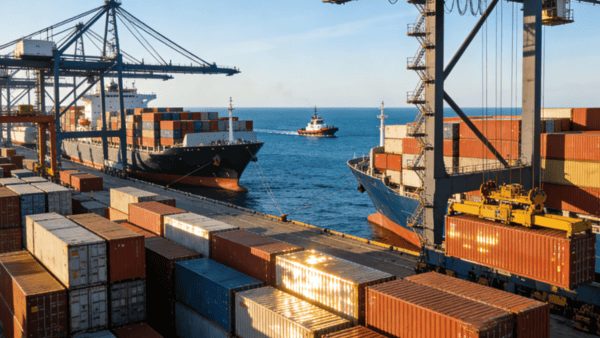
Why fast vessel roll negotiation matters for forwarders during overbooking crises?
Fast vessel roll negotiation refers to a structured, time-sensitive operational strategy that rearranges overbooked container cargo onto feasible alternative or subsequent vessel sailings. The practice mitigates shipment delays and financial losses when original vessel loading becomes unworkable due to overbooking and terminal congestion.
Unmanaged rollovers generate measurable operational costs
Unresolved cargo overbooking and delayed roll coordination create layered supply chain disruptions that affect forwarder profitability and client reliability. Congested terminals accumulate container storage, detention, and demurrage fees for stranded cargo, while delayed shipments trigger contractual delivery penalties with downstream clients. According to Drewry 2024 global logistics cost benchmark data, inadequately managed cargo rollovers during peak congestion periods increase average per-container forwarding operational expenses by approximately 22% due to emergency handling and storage surcharges.
Proactive negotiation stabilizes service consistency
Forwarders should note that passive acceptance of carrier-assigned roll schedules tends to extend transit durations and expose cargo to follow-up congestion risks. Carrier default roll arrangements typically favor in-house priority cargo and large corporate clients, which can result in longer transit cycles for general forwarder shipments. The recommended approach is active negotiation to secure reasonably prioritized slot placement on early available sailings, alongside formalized waivers for congestion-induced ancillary fees, supporting stable client delivery performance amid market volatility.
What pre-peak preparation steps reduce overbooking and congestion risks?
Proactive pre-peak operational planning serves as a foundational mitigation method to lower exposure to severe cargo overbooking and terminal congestion. Structured early preparation reduces dependence on last-minute emergency roll interventions and improves overall operational stability during high-demand shipping cycles.
Continuously monitor multi-source capacity and congestion data: Forwarders can integrate validated industry datasets to track trade lane capacity trends and terminal operational status four to six weeks ahead of peak shipping windows. Reliable data sources include UNCTAD quarterly port performance reports, FBX freight rate updates, and official terminal operational bulletins. Data-driven oversight supports incremental booking adjustment and reduces excessive slot reservation behaviors that contribute to overbooking.
Build diversified multi-carrier booking structures: The recommended approach is to distribute peak season cargo across multiple carrier partnerships instead of concentrating volumes with a single shipping line. Forwarders can establish flexible partial contractual agreements with two to three reputable carriers per core trade lane to secure reserved slot quotas while retaining adaptive spot booking flexibility. This diversified structure reduces concentration risk during carrier-specific capacity cuts or congestion-related rollover events.
Adopt staggered booking and cargo delivery schedules: Batch bulk booking within narrow time windows intensifies market competition for limited vessel slots and raises overbooking probabilities. Spreading booking volumes across multiple weekly sailings and aligning container delivery with terminal gate appointment availability eases terminal yard pressure. Staggered operational scheduling balances cargo inflow rates and lowers the likelihood of large-scale synchronized rollovers.
Embed standardized congestion contingency clauses: Forwarders can integrate peak season contingency terms within routine booking contracts in advance of high-demand periods. Formalized clauses clarify carrier accountability for overbooking-triggered rollovers, including structured frameworks for ancillary fee exemptions, reasonable roll slot priority, and standardized delay remedy protocols. Predefined contractual terms reduce ambiguous disputes during sudden congestion-driven capacity shifts.
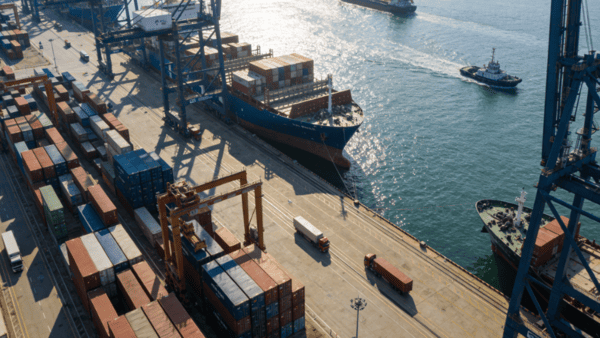
How to execute structured fast vessel roll negotiations for overbooked cargo?
Fast vessel roll negotiation for overbooked cargo represents a systematic, client-aligned operational workflow designed to resolve peak-season capacity conflicts amid terminal congestion. The structured process balances shipment speed, cost control, and service reliability for forwarding portfolios.
Diagnose root causes and classify cargo priority: Operational teams first verify whether cargo rollover originates from carrier overbooking, terminal vessel delay, or container yard space limitations. Shipments are categorized based on contractual delivery terms, client schedule sensitivity, and commodity value to guide tiered roll placement strategies. Targeted classification helps allocate negotiation resources toward higher-stakes shipments efficiently.
Coordinate placement on early available vessel sailings: Teams engage carrier account management teams to request reasonable priority placement on forthcoming feasible sailings. Forwarders can reference consistent historical booking volumes and sustained partnership records to support slot prioritization requests. Practitioners are advised to evaluate proposed roll vessel routes and transit times to avoid secondary delays from extended transshipment cycles.
Negotiate structured exemptions for congestion-related fees: Terminal congestion and systemic overbooking often trigger additional carrier surcharges, including congestion fees, rollover handling fees, and extended detention charges. The recommended approach is to negotiate partial or full fee exemption by referencing industry-standard contingency frameworks and pre-negotiated contractual terms, as such disruptions stem from systemic market conditions rather than forwarder operational error.
Align schedules with terminal operational rhythms: After securing revised vessel assignments, forwarders synchronize container arrival plans with terminal gate hours, yard stacking capacity, and berth scheduling cycles. Timely submission of updated cargo manifests and delivery schedules reduces operational mismatches that cause secondary congestion delays. Close terminal coordination improves loading certainty for rolled cargo batches.
Deliver transparent client updates with contingency options: Forwarders provide structured, timely updates to clients regarding rollover status, revised transit timelines, and any incremental cost adjustments. For shipments facing extended delays, teams can present alternative logistics solutions such as intermodal diversion or adjacent port routing to mitigate business impacts and sustain transparent client communication.
What post-overbooking optimization strategies improve long-term operational resilience?
Post-crisis operational optimization covers iterative adjustments to forwarder booking protocols and risk management frameworks following peak-season overbooking events. Consistent post-event refinement strengthens long-term operational resilience against recurring port congestion and capacity volatility.
A common mistake is treating individual overbooking incidents as isolated operational disruptions without conducting systematic post-cycle reviews. Reactive handling without structural adjustment allows similar capacity risks to recur in subsequent peak seasons. Continuous data-driven optimization helps stabilize long-term service quality and control recurring logistics costs.
Compile and analyze peak-season overbooking operational data: Teams aggregate key operational metrics including overbooking volume ratios, rollover frequency, average delay duration, and incremental congestion-related costs per peak cycle. Collected data can be cross-referenced with UNCTAD 2025 maritime volatility reports to identify trade lane-specific risk patterns and inform future booking volume calibration.
Refine carrier partnership evaluation frameworks: Forwarders can develop standardized carrier assessment criteria based on overbooking resolution efficiency, fee negotiation flexibility, and roll slot support consistency during peak congestion. Partnership resources can be gradually reallocated toward carriers with stable capacity management and robust contingency response capabilities, while reducing reliance on carriers with inconsistent peak-season performance.
Enhance internal risk early-warning mechanisms: Operational systems can integrate real-time port congestion metrics, carrier capacity adjustment announcements, and seasonal demand trend data. Configurable threshold alerts for excessive booking density and rising terminal congestion support proactive volume adjustment before formal overbooking scenarios develop.
Expand multi-modal contingency capability portfolios: Forwarders can develop layered backup logistics plans for high-risk trade lanes, including routing diversion to less congested adjacent ports and combined sea-rail intermodal transportation schemes. Diversified operational alternatives provide practical mitigation options when ocean capacity faces widespread overbooking and terminal congestion constraints.
Global freight forwarding operations continue to face persistent capacity volatility and port congestion challenges across core trade lanes. Refining pre-peak risk management protocols and mastering structured roll negotiation techniques enables logistics providers to mitigate peak-season disruptions effectively. Learning exactly how to handle severely overbooked cargo during sudden peak season terminal congestion supports sustainable operational improvement, cost control, and reliable client service delivery within the evolving global maritime logistics landscape.
Last
Advising origin sellers on the legal return transit process for sending back refused damaged cargo at the destination customs PORT
The return process for refused cargo at destination port for damaged shipments requires rigorous Customs compliance and standardiz
Next
Minimizing heavy demurrage fines speeding up the return freight process for handling refused frozen cargo at the destination entry PORT
The return process for refused cargo at destination port for frozen shipments involves distinctive operational complexities driven
