Masking true supplier details executing a Switch Ocean BL document operation specifically designed for complex triangle network trade
Freight Experience
 25-Jun-2026
Professional Switch BL Operation for Triangle Trade acts as a standard documentary solution for forwarding enterprises to conceal original supplier information while ensuring compliant cargo delivery within multi-party cross-border transaction scenarios. In recent years, global triangle trade networks have expanded steadily as intermediate traders seek stable supply chain profit margins and independent client resources. According to UNCTAD 2025 Review of Maritime Transport, maritime trade growth slows moderately while cross-trade and triangular container shipments maintain steady increments, driving consistent market demand for standardized Switch BL processing services.
What defines Switch BL operation for supplier masking in triangle trade?
Switch BL operation for triangle trade is a carrier-end formal documentary procedure that replaces original shipper particulars with intermediate trader information to shield upstream supplier identities during ocean cargo transit. It follows unified mainstream carrier rules and international trade documentary compliance standards.
This type of documentary operation differs from routine BL amendment, as it focuses on updating trade party information rather than minor data corrections. It grants legitimate on-vessel cargo resale rights for intermediate traders, which supports the operational logic of modern multi-party triangle trade models.
Forwarders should note that compliant Switch BL Operation for Triangle Trade only adjusts shipper, consignee and notify party details. Core shipment information including cargo description, loading port, discharge port and vessel voyage remains unchanged to meet maritime compliance requirements.
Why do complex triangle trade scenarios require supplier information masking?
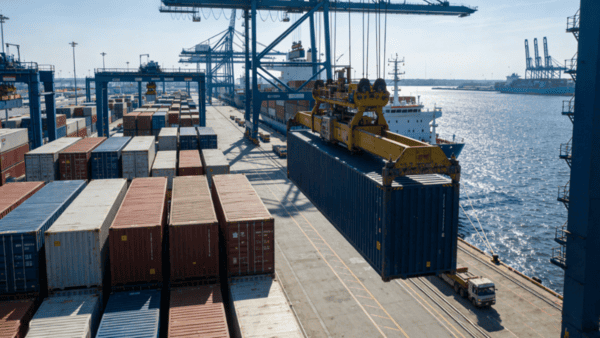
Supplier information masking via standardized Switch BL procedures mitigates resource leakage risks that constrain long-term cooperative stability of intermediate trading businesses in cross-border supply chains.
Typical triangle trade models involve upstream manufacturers, intermediate trading firms and downstream overseas importers. Intermediate traders connect production and terminal sales channels, yet unprotected supplier information creates channel bypass risks in conventional documentary delivery.
A common mistake is that inexperienced trading and forwarding teams submit original full-set bills without information masking. Exposed factory contact and supplier data allows overseas importers to establish direct cooperation with manufacturers and bypass intermediate traders.
According to WTO 2025 global value chain trade report, transparent unmasked trade documents contribute to frequent channel bypass incidents in cross-border triangular transactions, affecting the stable operation of multi-level global trade networks.
What practical values do standardized Switch BL operations bring to forwarders?
Standard Switch BL Operation for Triangle Trade enables forwarding companies to deliver value-added compliant logistics services and consolidate cooperative relationships with medium and long-term trading clients.
Protect intermediate trader channel resources: Replace original factory shipper information with trading company credentials on official ocean bills of lading. This operational method prevents downstream importers from capturing upstream supplier information and reduces channel leakage possibilities.
Guarantee compliant cargo take-over procedures: Newly issued Switch BL serves as valid cargo title certificates for overseas customs clearance and delivery. It matches international trade documentary standards and avoids clearance obstacles caused by information mismatch.
Enrich enterprise service categories: Mastery of standardized Switch BL processing allows forwarders to undertake complex multi-party trade orders. It diversifies service scopes beyond basic freight booking and vessel arrangement businesses.
Reduce cross-border trade dispute risks: Formal carrier-attested Switch BL procedures form traceable official records. Complete operational files lower the occurrence of legal and economic disputes arising from informal document modification behaviors.
What preconditions support valid Switch BL replacement for triangle trade?
Effective supplier masking through Switch BL processing relies on full compliance with carrier procedural specifications and original document surrender mechanisms to avoid application rejection.
Surrender complete original BL sets: Forwarders need to submit full 3/3 original bill of lading copies to official carriers or authorized agents. Most carriers suspend Switch BL applications with outstanding original documents to prevent duplicate cargo delivery risks.
Submit formal written application files: Prepare official switch request letters with clear statement of application purposes, original BL numbers and revised trade party information. Informal oral notifications or simple email messages cannot trigger carrier official procedures.
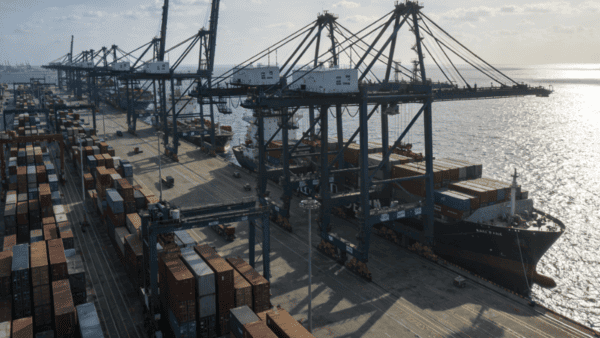
Provide standardized letter of indemnity: Most mainstream shipping carriers require formal LOI documents to confirm the legitimacy of information adjustment. Such files compensate carriers for potential liability risks brought by Switch BL operations.
Maintain consistency of physical shipment data: Ensure cargo name, specification, quantity, gross weight and voyage information remain consistent with original BL records. Alteration of core shipment data does not conform to standard Switch BL compliance rules.
How to execute compliant Switch BL workflows for supplier masking?
Standardized procedural execution is one of the commonly adopted approaches to ensure effective supplier information masking in complex triangle trade Switch BL projects.
The recommended approach is to divide full-cycle operations into four standardized stages, covering pre-application verification, document sorting and review, carrier procedure follow-up and post-operation file archiving.
Verify trade role and service demands: Confirm client positioning as an intermediate trader in triangle trade and clarify the core demand for upstream supplier information shielding. Distinguish standard switch demands from risky data modification applications.
Sort and audit complete application materials: Organize original BL full sets, enterprise qualification certificates, switch application forms and LOI documents. Conduct internal information verification to eliminate material defects before formal submission.
Deliver materials to designated carrier agents: Submit complete application packages to official carrier agents at designated switch ports. Standard formal channels effectively reduce non-standard document issuance risks.
Track carrier audit progress dynamically: Arrange dedicated staff to follow real-time review status. Supplement modified materials promptly when carriers raise information confirmation inquiries.
Calibrate updated BL information: Check revised shipper, consignee and notify party details on new Switch BL. Confirm all physical shipment data remains unchanged to support smooth overseas clearance and cargo pickup.
What potential risks exist in Switch BL supplier masking operations?
Non-standard operational behaviors in Switch BL processing may trigger document invalidation, customs clearance obstacles and multi-party trade disputes in triangle trade businesses.
Incomplete original document surrender: Retention of any original BL copy leads to carrier procedure suspension. This condition delays document replacement progress and affects scheduled overseas cargo clearance arrangements.
Illogical revised trade party information: Unreasonable matching of new shipper and consignee information that contradicts actual trade flows easily triggers customs supervision scrutiny and clearance inspection risks.
Non-standard indemnity document submission: Use of unapproved LOI templates or missing indemnity files results in carrier audit suspension, extending the overall operational cycle of Switch BL processing.
Confusing Switch BL with routine BL amendment: Mixing large-scale cargo data modification with standard switch operations violates carrier compliance rules and may cause document invalidation.
How to mitigate common operational errors in Switch BL processing?
Targeted risk prevention mechanisms help forwarding teams stabilize service quality in long-term triangle trade Switch BL operational scenarios.
Forwarders should note that different shipping carriers formulate differentiated internal rules for Switch BL review and issuance. Timely policy update and team knowledge synchronization are essential for sustained compliant operations.
Adopt pre-operation checklist verification: Establish fixed inspection items for original document quantity, material completeness and information rationality to reduce manual omission errors in daily operations.
Sort carrier rule differences systematically: Summarize Switch BL processing requirements of mainstream carriers, record special restriction clauses, and form internal operational guidelines for team unified implementation.
Strengthen multi-party information confirmation: Verify revised document content with upstream suppliers and downstream importers in advance. Unified trade logic reduces modification demands after BL issuance.
Complete standardized operational archiving: File application forms, LOI documents, before-and-after BL versions and carrier feedback records. Traceable file archives support subsequent risk inquiry and business review.
As global multi-party trade structures grow more sophisticated, information security protection and compliant documentary processing have become essential service capabilities for cross-border logistics service providers. A mature and standardized Switch BL Operation for Triangle Trade assists intermediate traders in protecting core channel resources, while enabling forwarding enterprises to deliver stable, compliant and high-value logistics services for complex network trade businesses.
Last
Vetting new forwarding networks discovering how compliance teams to track independent overseas routing agent financial credit performance ratings
Expanding global forwarding networks with reliable overseas routing agents is essential for business scale growth, yet unassessed
Next
Preventing bad debt losses learning how to track global overseas partner agent dynamic credit risk ratings
Long-term cross-border freight cooperation relies heavily on stable overseas agent partnership, yet fluctuating operating conditio
