Practical practices for global freight payment verification to accelerate destination container release
Freight Experience
 28-May-2026
Inefficient freight payment verification procedures represent a notable operational bottleneck that delays container release procedures at destination ports within global logistics networks. Cross-border container delivery activities require completed financial settlement and formal payment confirmation issued by carriers and port authorities before cargo dispatch authorization takes effect. In recent years, expanding global container throughput and updated port compliance protocols have extended standard release cycles for shipments with pending freight payment verification status. Adopting standardized operational practices for freight payment verification assists forwarding firms in optimizing port clearance workflows and reducing avoidable cargo detention periods at destination terminals.
Why does payment verification status influence destination container release efficiency?
Freight payment verification acts as a vital financial compliance checkpoint implemented by carriers and port terminals prior to container release issuance to consignees. Unverified or pending payment records trigger system-generated cargo hold instructions and suspend subsequent clearance and delivery operations at destination ports.
Most international shipping carriers integrate payment confirmation modules with terminal operation management systems to unify financial settlement supervision and cargo release control. Any irregularities detected during freight payment verification will restrict container release access, even if customs clearance and document submission procedures are finished. This unified supervision framework helps carriers standardize fund recovery procedures and mitigate financial risks arising from unsettled freight charges in cross-border shipping cooperation.
A common mistake is that numerous forwarders separate payment settlement scheduling from port clearance planning, regarding financial verification as an independent post-arrival procedure. This fragmented operational logic may result in situations where customs clearance is completed early, while cargo remains detained due to unfinished freight payment verification procedures.
According to UNCTAD 2025 global port operational statistics, around 29% of container detention incidents at major international destination ports stem from delayed or non-standard freight payment verification workflows. These avoidable delays incur extra demurrage and detention fees and disrupt the overall scheduling of end-to-end supply chain delivery.
What common verification issues lead to container release delays?
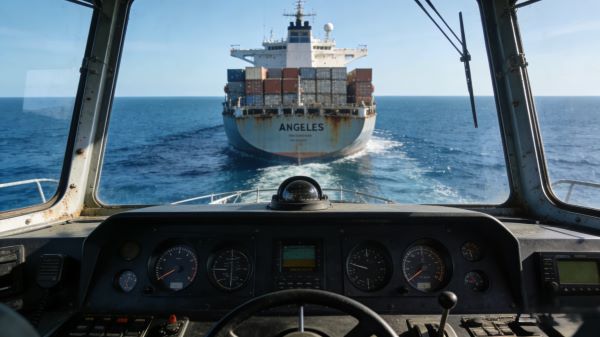
Recurring procedural flaws and data inconsistencies in freight payment verification are key factors contributing to prolonged container detention at destination terminals. Most delay-related problems derive from non-standard manual submission workflows rather than technical defects in carrier or port systems.
How does incomplete document submission affect verification progress?
Freight payment verification requires full data matching among settlement invoices, formal service contracts, payment receipts and cargo manifest documents. Incomplete document submission or missing auxiliary certification files will pause carrier financial system verification reviews. Forwarders should note that port terminal release operations strictly follow carrier financial confirmation results, with no manual exception channels for pending verification orders.
What risks come with mismatched billing and contractual data?
Minor inconsistencies between actual payment amounts, additional charge items and signed contractual clauses will activate system exception alerts. Verification staff need extra working hours to confirm data deviations, which prolongs the overall auditing cycle. Such mismatches mostly occur due to delayed updates of temporary port surcharges and seasonal freight rate adjustments in internal systems.
How does improper payment timing trigger detention risks?
Payment applications submitted within 48 hours before container estimated arrival hardly match the regular financial review cycles of mainstream carriers. Most shipping operators require 24 to 48 hours to complete internal fund reconciliation and verification confirmation. Rush payment operations with insufficient buffer time often cause delayed container release due to unfinished official verification.
According to Drewry 2024 logistics delay assessment data, procedural errors in freight payment verification account for nearly 31% of human-induced container release delays at global hub ports. Standardizing daily verification workflows can reduce most man-made delay risks in port cargo operation scenarios.
What operational practices optimize verification and container release efficiency?
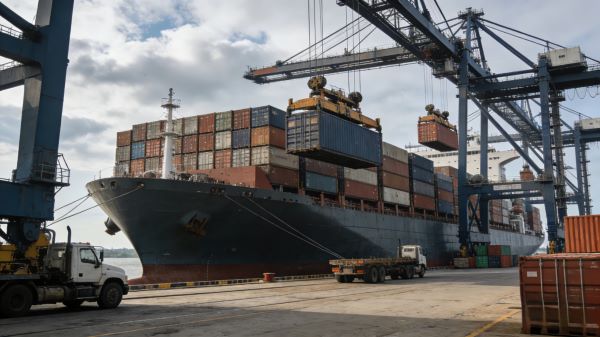
Standardized operational practices for freight payment verification enable forwarders to align settlement timetables with port clearance schedules and remove financial barriers for timely container release. These optimization measures cover pre-arrival preparation, in-transaction execution and post-payment follow-up procedures.
The recommended approach is to establish a full-cycle verification scheduling mechanism that synchronizes financial settlement progress with vessel arrival updates and customs clearance workflows, achieving coordinated and efficient operational linkage.
Complete pre-arrival document collation and inspection: Forwarders shall organize and verify all settlement documents three to five days prior to vessel estimated arrival, including freight invoices, service contracts, payment vouchers and cargo declaration files. Staff need to ensure unified data logic across all documents to prevent supplementary submission delays. Forwarders should note that sufficient pre-arrival preparation effectively shortens carrier verification review cycles.
Arrange advance payment verification applications: Submit formal payment settlement and verification requests no less than 72 hours before container ETA. This reserved time buffer fully covers carrier internal reconciliation, fund checking and system confirmation procedures, reducing delay risks caused by insufficient review duration.
Unify internal settlement data calibration standards: Formulate unified enterprise-wide statistical standards for base ocean freight, terminal handling charges, bunker adjustment factors and temporary port surcharges. Conduct internal self-verification before formal submission to correct data deviations and lower system exception rejection probabilities.
Maintain continuous communication with carrier finance teams: Arrange dedicated operational staff to track real-time verification progress after payment submission. Respond promptly to system exception feedback and supplement required certification materials to resume suspended auditing procedures in a timely manner.
Establish verification exception record archives: Classify and record all historical verification rejection cases and delay causes, summarize recurring error patterns, and embed targeted inspection checkpoints in daily operations to reduce repeated operational flaws.
How to synchronize verification workflows with port clearance schedules?
Cross-workflow synchronization between freight payment verification and destination port clearance eliminates time gaps between financial confirmation and cargo inspection, improving the comprehensive efficiency of container release operations.
Many forwarding enterprises manage financial settlement and customs clearance as independent business modules, which may cause unbalanced progress between the two core links. Scientific synchronized scheduling optimizes overall operational rhythm and shortens container port-stay duration effectively.
Build integrated shipment progress tracking systems: Incorporate freight payment verification status, customs declaration progress and terminal operational updates into a unified tracking platform to realize dynamic monitoring of all core links related to container release.
Coordinate document submission timelines: Arrange the submission of payment verification documents and customs declaration materials in a coordinated manner. Enable financial compliance confirmation and cargo qualification review to proceed in parallel and save overall operational time.
Set phased operational reminder nodes: Configure systematic reminders for key time points including payment submission deadlines, standard verification cycles and customs inspection windows, helping staff grasp reasonable processing timelines and avoid operational delays.
According to Freightos Baltic Index (FBX) 2025 supply chain operational data, forwarding enterprises adopting synchronized verification and clearance workflows record a 22% reduction in average container port-stay time compared with enterprises using separated operational modes.
What operational values can optimized verification workflows create?
Standardized and refined freight payment verification workflows bring multi-dimensional improvements for forwarders in port cost control, operational efficiency and cross-border service stability.
Assist in controlling extra port detention expenses
Timely completion of freight payment verification eliminates container detention risks caused by unresolved financial verification status, reducing the occurrence of additional demurrage and detention fees. Stable release efficiency helps enterprises control invisible cost expenditures during container port storage.
Enhance end-to-end supply chain stability
Smooth container release procedures accelerate subsequent inland haulage and terminal delivery arrangements, improving the overall stability of cross-border logistics services. Reliable operational scheduling helps forwarders stabilize service quality in long-term client cooperation.
Optimize long-term carrier and port cooperation relations
Standardized and compliant freight payment verification operations reduce abnormal operational records for carriers and port terminals. Stable settlement credibility helps forwarders maintain smooth cooperative channels and obtain stable operational support during peak shipping periods.
As global port supervision and cross-border financial settlement rules continue to iterate, standardized and efficient freight payment verification workflows have become one of the commonly adopted operational capabilities for global forwarding enterprises. Continuous optimization of verification procedures helps shorten destination container release cycles, control operational risks and costs, and support steady and efficient operation of global cross-border freight supply chains.
Last
Training document clerks on hbl mbl switching workflows to protect factory supplier identity confidentiality
Standardized professional training focusing on standardized hbl mbl switching workflows helps global freight forwarders safeguard

Next
Mitigating DDP advance payment risk when handling high duty shipments for new overseas buyers
Freight forwarders encounter diverse financial uncertainties in cross-border logistics operations, and controlling ddp advance pay
