Training port operations staff on container terminal handling updates to improve transportation efficiency
Freight Experience
 27-May-2026
Targeted upskilling for terminal workforce on modern container handling protocols and digital system iterations enables global logistics practitioners to improve transportation efficiency and mitigate port congestion amid ongoing maritime infrastructure upgrades. Global container terminals are undergoing widespread digital transformation and automated equipment deployment, covering automated gate operating systems, intelligent yard planning modules and standardized container handling workflows. Without synchronized workforce training, hardware and digital upgrades fail to deliver practical operational gains, resulting in suboptimal terminal throughput and extended supply chain lead times. According to UNCTAD 2025 Review of Maritime Transport, insufficient workforce adaptation to digitalized terminal operations remains one of the key factors causing inconsistent productivity across medium and small container terminals worldwide.
Why does terminal staff competence determine overall port operational performance?
Terminal operational competence refers to the professional proficiency of on-site personnel in executing standardized container stowage, handling, yard stacking and gate-in/gate-out procedures in line with updated port regulations. Stable workforce capability serves as the core foundation for sustainable terminal throughput and reliable vessel turnaround.
Container terminal operations rely on highly collaborative workflows that integrate vessel stowage planning, yard slot allocation, drayage dispatching and customs clearance procedures. Even with advanced automated equipment and cloud-based terminal operating systems, operational accuracy still depends heavily on standardized manual coordination and on-site judgment. Staff misunderstanding of updated protocols or unfamiliarity with upgraded system modules often leads to repetitive container restowing, incorrect yard positioning and prolonged truck queuing at terminal gates.
A common mistake is that port authorities and logistics operators prioritize terminal hardware renovation and digital system deployment while neglecting synchronous workforce capability upgrading. New automated devices and digital platforms are frequently launched without systematic role-based training, leaving front-line operators reliant on legacy working routines. The capability gap between advanced infrastructure and outdated operational habits forms persistent hidden bottlenecks that restrict terminal turnover performance.
According to UNCTAD 2025 official port performance statistics, terminals with standardized periodic staff training record noticeably shorter container dwell time and higher berth utilization rates compared with facilities with irregular training mechanisms. This verifies that workforce professionalism directly determines core port operational efficiency indicators.
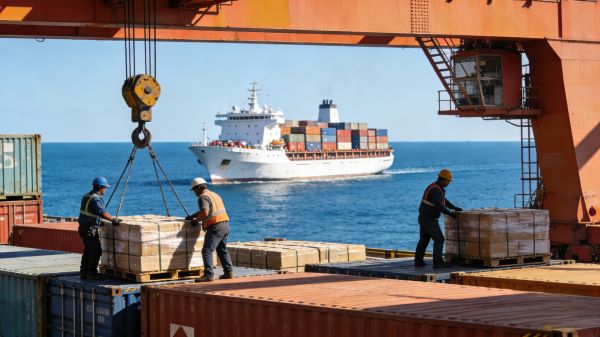
What new terminal handling updates require continuous staff training?
Modern terminal operational updates mainly include digital system iteration, automated equipment upgrading and international compliance rule revision, all of which require targeted workforce upskilling to ensure standardized and error-free execution.
How do digital terminal system upgrades reshape daily workflows?
Most global commercial ports have upgraded their Terminal Operating Systems and Port Community Systems to support real-time data synchronization and intelligent task dispatching. New functional modules including automated yard slot planning, smart gate reservation and electronic cargo documentation verification have replaced traditional manual recording and empirical scheduling modes.
Forwarders should note that digital system upgrades reconstruct underlying operational logic instead of simply adding functional entries. On-site staff must master standardized data verification rules, exception response workflows and multi-system linkage mechanisms to eliminate operational errors caused by outdated working habits. Unfamiliarity with updated system logic commonly results in data update delays and cross-department scheduling conflicts.
What updated handling protocols affect daily terminal operations?
From 2024 to 2025, international maritime regulatory bodies and local port administrations have revised industrial specifications covering container handling safety standards, stacking height limitations and dangerous goods segregation requirements. The updated rules focus on risk control for human-machine collaborative operations and high-density container yard management.
These revised compliance standards require front-line operators to adjust container loading sequences, yard layout arrangements and equipment collaboration modes. Staff who continue to follow obsolete operational standards may trigger compliance risks and repetitive handling work, negatively affecting vessel berthing and turnaround cycles.
How do automated device upgrades change operational requirements?
An increasing number of container terminals have deployed semi-automated gantry cranes, intelligent yard tractors and AI-powered gate recognition systems in recent years. Such equipment reduces manual labor intensity but raises higher requirements for staff parameter configuration, real-time equipment monitoring and abnormal scenario disposal capabilities.
The recommended approach is to arrange phased hands-on simulation training after equipment iteration. Proficient mastery of equipment operating thresholds and system error codes helps reduce equipment standby time and improve continuous container handling efficiency.
What operational inefficiencies stem from insufficient staff training?
Inadequate training on updated terminal protocols and digital systems leads to non-standardized operations, low equipment utilization and fragmented workflow coordination, creating multi-dimensional hidden efficiency losses throughout port handling procedures.
How does non-standard operation extend container dwell time?
Undertrained operators tend to apply empirical operational methods when adapting to upgraded systems and revised rules. Unreasonable container stacking layouts, inaccurate cargo data binding and disorderly task execution significantly increase repetitive container movement frequency. Each invalid handling action consumes equipment energy and berth resources, extending the processing cycle of single containers.
According to UNCTAD 2025 port performance datasets, container terminals without regular standardized workforce training show lower per-vessel container handling productivity than terminals with complete training systems. Cumulative low-efficiency operations directly prolong vessel berthing duration and overall terminal dwell time.
Why do system adaptation errors trigger supply chain delays?
Modern port logistics rely on real-time data interconnection among terminal operators, freight forwarders, shipping carriers and customs authorities. Staff unfamiliar with updated system logic may submit inaccurate container status data or fail to synchronize operational records in a timely manner. These data inconsistencies block subsequent drayage scheduling, customs inspection arrangements and container pickup procedures.
Such invisible operational delays spread to inland transportation and cross-border shipping arrangements, disrupting the overall supply chain timetable. For global forwarders, unstable container pickup time windows further increase the uncertainty of end-to-end transportation planning.
How do capability gaps weaken terminal emergency response capacity?
Upgraded terminal systems and automated equipment come with standardized emergency disposal procedures for common abnormal scenarios, including container damage, equipment malfunction and sudden schedule adjustment. Staff without systematic professional training can only adopt passive and time-consuming disposal methods when facing operational exceptions.
Slow emergency response prolongs terminal operational stagnation, reduces overall throughput stability and elevates port congestion risks during peak shipping seasons, creating additional operational pressure for global freight forwarding businesses.
What core training modules help staff adapt to terminal handling updates?
Scientifically designed training modules cover digital system operation, standardized handling workflows and exception disposal mechanisms, enabling terminal staff to quickly adapt to iterative terminal operational standards.
Updated terminal system operation training: This module focuses on upgraded functions of mainstream Terminal Operating Systems and Port Community Systems. Training content includes real-time task inquiry, electronic document submission, intelligent yard allocation confirmation and data error rectification, ensuring standardized and accurate daily data operation.
Standardized container handling workflow training: This module sorts out the latest international port operational specifications, covering container loading sequences, yard stacking standards, equipment collaboration logic and dangerous goods segregation protocols. It guides operators to phase out empirical irregular operations and form standardized working routines.
Automated equipment collaborative operation training: This training explains the matching operational logic of intelligent cranes, yard tractors and automated gate systems. It improves staff capabilities in equipment parameter adjustment and real-time status monitoring, reducing equipment idle time and operational missteps.
Abnormal scenario emergency disposal training: This module targets frequent operational exceptions including system failures, equipment downtime, container mismatch and temporary berth adjustment. It standardizes disposal procedures and reporting mechanisms to shorten problem-solving cycles and restore terminal operational stability rapidly.
Multi-party coordination capability training: This module strengthens staff awareness of collaborative workflows among terminal operation teams, scheduling departments, customs agencies and freight forwarders. Smooth information interaction and business coordination effectively reduce workflow barriers caused by communication deviations.
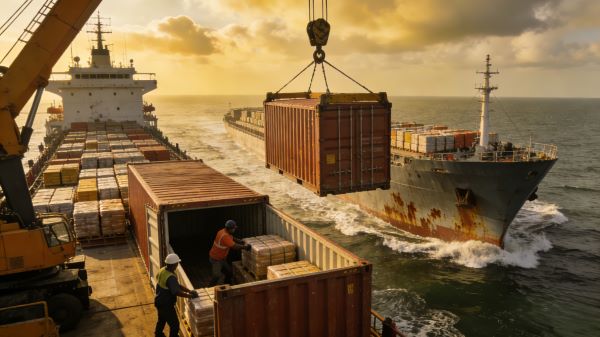
How does systematic staff training optimize port-forwarder collaboration?
Standardized workforce training unifies terminal operational standards and data interaction logic, reducing cross-industry communication friction between port operators and freight forwarders and stabilizing the overall logistics operational rhythm.
How does standardized operation stabilize container pickup schedules?
Fully trained terminal staff complete container handling and data synchronization in accordance with updated unified workflows. Accurate and real-time container status data enables forwarders to formulate reasonable drayage scheduling and inland transportation plans. Stable pickup time windows avoid repeated vehicle dispatching and empty mileage waste caused by information asymmetry.
How does accurate data linkage reduce forwarder operational risks?
Forwarders should note that most port operation disputes and cargo delivery delays originate from inconsistent and untimely data updates. After mastering updated system operational rules, terminal staff can maintain high data accuracy and real-time performance. Reliable container status information helps forwarders avoid delivery deviations and client service complaints.
How does efficient terminal turnover optimize the overall supply chain?
Improved terminal handling proficiency shortens vessel berthing cycles and container dwell time. Accelerated port turnover allows shipping carriers to optimize voyage scheduling and provides forwarders with more stable shipping space reservation conditions. Optimized port operational efficiency forms a solid foundation for systematic transportation arrangement across the supply chain.
What training implementation mistakes should port managers avoid?
Unreasonable training modes fail to realize workforce capability upgrading and may cause staff adaptation fatigue, hindering the conversion of terminal hardware and digital advantages into practical efficiency gains.
Avoid one-off intensive indoctrination training: A common mistake is conducting short-term centralized training after system upgrades without follow-up guidance and drills. Front-line operators cannot fully absorb updated operational logic within a limited period, resulting in partial system function abandonment and continued reliance on legacy workflows.
Avoid decoupling training from on-site scenarios: Pure theoretical training without on-site simulation and real-order drills cannot resolve practical operational pain points. The recommended approach is to combine classroom knowledge explanation with on-site equipment simulation to enhance staff practical operational proficiency.
Avoid missing regular assessment and iterative optimization: Without phased skill assessment and effect verification, training outcomes cannot be quantified and optimized. Long-term lack of supervision leads staff to neglect updated standards and gradually revert to non-standard operational habits.
Avoid neglecting incremental post-upgrade training: Terminal systems and operational protocols are dynamically updated with industrial iteration. Fixed one-time training cannot adapt to continuous version upgrades, resulting in persistent operational lag and efficiency loss.
How to build a sustainable long-term staff training mechanism?
A sustainable terminal workforce training mechanism is a closed-loop iterative system integrating regular learning, scenario simulation drills and quantified effect assessment, which adapts to continuous terminal operational updates.
How to formulate hierarchical and phased training plans?
Port management teams can design differentiated training schemes for new recruits and experienced operators. New employees receive systematic basic training on updated protocols and systems, while senior operators undertake advanced learning on exception disposal and optimized scheduling, realizing balanced overall team capability improvement.
How to implement closed-loop training assessment and optimization?
Port operators can adopt quantified indicators including single-container handling efficiency, data synchronization accuracy and abnormal problem disposal speed to evaluate training effectiveness. Managers can adjust training priorities and supplement missing knowledge modules based on indicator changes, forming a continuous closed-loop capability upgrading system.
Against the backdrop of continuous port digitalization and standardized operational upgrading, professional workforce capability has become a core factor in eliminating terminal operational bottlenecks and stabilizing global supply chain performance. Scientific, standardized and iterative staff training enables container terminals to fully unlock the value of upgraded hardware and digital systems, streamline port-forwarder collaborative workflows and steadily improve transportation efficiency for global cross-border container logistics services.
Last
Training global operations managers to control transportation risks when moving high value hazardous materials
Targeted professional upskilling for global logistics operations managers builds standardized operational awareness and technical
Next
Tracking warehouse pick and pack milestones to optimize logistics cycle efficiency in regional hubs
Freight forwarders can track standardized warehouse picking and packing milestones scientifically to optimize logistics cycle effi
