Why your agency should choose transshipment port locations based on real time connecting carrier data
Freight Experience
 26-May-2026
Professional freight agencies choose transshipment port locations based on real time connecting carrier data to mitigate vessel schedule mismatches and strengthen the stability of global container transshipment operations. Traditional static port selection criteria rely on historical records and fail to reflect dynamic liner network adjustments, often causing cargo connection failures and incremental logistics expenditures. According to UNCTAD 2024 maritime chokepoint monitoring data, short-term route rearrangements contribute substantially to seasonal transshipment disruptions, making real-time data analytics an essential operational capability for contemporary forwarders.
What key metrics constitute real-time connecting carrier data
Real-time connecting carrier data refers to updated operational indicators of liner services at target maritime terminals, enabling forwarders to assess transshipment feasibility through current, quantifiable market signals. It replaces outdated static references and improves the precision of daily port selection decisions.
Dynamic vessel call frequency: This metric tracks weekly and monthly vessel call volumes of major carriers at designated transshipment hubs, capturing short-term capacity adjustments driven by route reconfiguration and regional cargo demand shifts. It helps forwarders evaluate continuous transshipment service availability across different operational cycles.
Recent schedule reliability ratio: This indicator calculates the on-time departure and arrival proportion of connecting vessels within a 30-day rolling window. According to Drewry 2024 global liner performance reports, port-level schedule reliability fluctuates weekly due to chokepoint congestion and temporary route diversions, requiring continuous real-time monitoring for accurate assessment.
Available slot inventory data: Real-time slot data reflects residual loading capacity and weight limits of upcoming liner voyages, preventing transshipment abort risks caused by sudden capacity shortages. It serves as a direct reference for forwarders to confirm space reservation and cargo transit feasibility.
Temporary carrier route alteration logs: This dataset covers official carrier notifications regarding vessel diversions, port omissions, and capacity curtailments. Such short-term operational changes are primary triggers for transshipment disconnection and must be integrated into daily port screening frameworks.
Current terminal turnaround performance: This data monitors real-time berth queuing status and container dwell time, reflecting instantaneous terminal operational pressure rather than long-term average performance under stable market conditions.
Why static port selection frameworks fail to fit modern shipping dynamics
Static port selection frameworks depend on historical throughput figures and fixed route coverage data, lacking responsiveness to short-term market volatility and adaptive carrier strategy updates. This rigidity frequently creates misalignment between pre-planned transshipment arrangements and actual on-site liner operations.
How frequent liner network adjustments weaken static selection logic
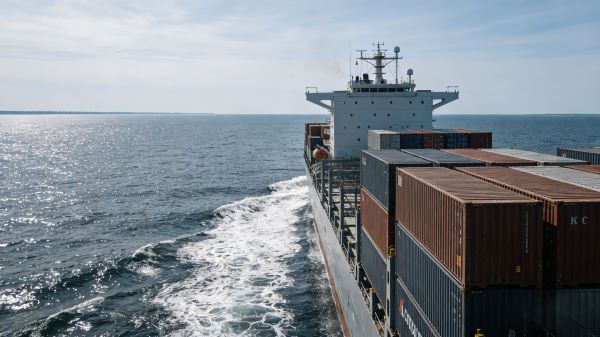
Global liner shipping networks have undergone continuous dynamic restructuring throughout 2024 and 2025, largely driven by recurring maritime chokepoint disruptions and shifting regional trade demand. According to the UNCTAD 2024 Review of Maritime Transport, persistent disruptions at key chokepoints including the Suez Canal and Panama Canal have forced widespread route rerouting and capacity redistribution across intercontinental trade lanes.
These large-scale network rearrangements alter the practical transshipment value and connectivity of many conventional hub ports. Traditional fixed port selection standards cannot capture such rapid market changes, leading to outdated route layout schemes.
A common mistake is that many forwarders retain long-term cooperative hub ports based on historical operational experience, without tracking real-time carrier port skipping and capacity reduction measures. This passive operational method often leads to container congestion at terminals or missed vessel connections, introducing uncontrollable schedule volatility.
How terminal congestion renders historical performance data invalid
Regional port congestion conditions shift rapidly under extreme weather impacts and large-scale route diversion pressures. According to Shanghai Shipping Exchange 2024 operational monitoring data, major Southeast Asian transshipment hubs recorded notable increases in vessel waiting times during Red Sea diversion peak periods, significantly diminishing their conventional efficiency advantages.
Historical high-performance statistics cannot represent real-time terminal handling status during market turbulence. Forwarders should note that ports maintaining stable transshipment efficiency in low-fluctuation periods may face degraded connectivity during large-scale route adjustments.
What operational benefits does real-time carrier data bring to port selection
Real-time connecting carrier data provides data-driven dynamic screening benchmarks for forwarders, resolving the inherent lag of empirical static port selection and improving overall transshipment process controllability. It balances service stability and operational flexibility amid volatile global shipping markets.
Optimize container connection success rates
The core functional value of real-time carrier data lies in synchronizing updated vessel schedules and capacity variations, enabling seamless container handover between inbound and outbound voyages at transshipment terminals. In the current high-volatility shipping environment, precise dynamic matching effectively lowers cargo stranding probabilities.
According to Freightos Baltic Index 2024 quarterly performance analysis, logistics providers adopting real-time carrier data for dynamic port selection achieve noticeable improvements in transshipment stability compared with practitioners relying solely on static historical data.
Mitigate hidden emergency operational costs
Blind dependence on fixed hub port resources often triggers emergency cargo diversion, last-minute slot reservation, and temporary container warehousing expenditures. Real-time data early warning mechanisms allow forwarders to adjust transshipment nodes in advance and avoid unplanned cost increments caused by sudden route changes or terminal congestion.
The recommended approach is to prioritize real-time carrier schedule stability when arranging transit for time-sensitive cargo shipments, which effectively controls unpredictable incremental logistics costs.
Improve long-term supply chain forecast capability
Continuous real-time carrier data monitoring enables forwarders to summarize short-term route adjustment patterns of major liner companies, forming trade-lane-specific port selection strategies. Accumulated dynamic data enhances the rationality of long-term route planning and customer quotation formulation.
How to standardize port selection workflows with real-time carrier data
Forwarders can establish standardized dynamic port selection workflows through multi-dimensional real-time data verification, eliminating subjective judgment deviations in conventional operational modes and improving transshipment arrangement accuracy.
Validate real-time route availability: Before confirming transshipment terminals, verify whether target carriers maintain normal vessel calls and complete route coverage on required trade lanes. Screen out ports with temporary service suspension or frequent port skipping within the latest 14-day operational window.
Evaluate short-term schedule stability: Analyze 30-day rolling on-time performance data of connecting vessels to assess practical transshipment reliability. Terminals with fluctuating schedule performance are more suitable for low-priority cargo rather than time-critical shipments.
Match real-time slot supply conditions: Confirm residual slot availability and weight restrictions of upcoming connecting voyages to prevent booking failures after port confirmation. This verification step is particularly critical for consolidated containers and bulk cargo transshipment businesses.
Monitor real-time terminal congestion status: Integrate vessel queuing duration and container dwell time data to judge whether connecting vessels can complete stowage and discharge within scheduled time windows, avoiding connection delays caused by terminal operational bottlenecks.
Reserve dynamic alternative port resources: Based on real-time carrier data fluctuations, reserve one or two alternative terminals with stable liner connectivity for each core trade lane, building a flexible risk hedging system for transshipment operations.
What typical errors occur in data-driven port selection practices
Although real-time carrier data improves port selection accuracy, improper data application may lead to operational deviations. Forwarders must avoid common misunderstandings to ensure data-driven decisions deliver practical operational value.
Over-reliance on single-cycle data fluctuations
A common mistake is treating short-term single-day or single-week data fluctuations as long-term terminal performance degradation. Temporary slot shortages and occasional schedule delays do not represent sustained connectivity deterioration. Forwarders should adopt multi-cycle data superposition analysis for comprehensive evaluation.
Disregarding carrier long-term route planning
Forwarders should note that many real-time temporary route adjustments serve carriers’ long-term network optimization layouts. Partial port service suspensions often belong to phased capacity upgrades rather than permanent service termination. Combining real-time data with official carrier route announcements avoids misjudgment of terminal application value.
Ignoring terminal operational capability matching
Stable carrier schedule data cannot guarantee smooth transshipment services without matching terminal operational capacity. The recommended approach is to correlate real-time carrier data with terminal handling efficiency, equipment integrity, and yard management standards to prevent schedule advantages from being offset by terminal operational deficiencies.
How to balance dynamic data adjustment and operational stability
Excessively frequent port switching based on short-term data changes may disrupt stable cooperative relationships and consistent client service quality. Forwarders need to set scientific adjustment thresholds to balance operational flexibility and service stability.
Forwarders should note that real-time data-driven port adjustment targets abnormal market fluctuations and temporary route disruptions. For trade lanes with stable long-term liner layouts, frequent active optimization is unnecessary. Strategic port replacement is only required when continuous multi-cycle data deterioration occurs.
According to UNCTAD 2024 liner connectivity assessment reports, forwarders adopting semi-dynamic adjustment mechanisms achieve better balance between service stability and risk resilience compared with teams applying static rules or overly frequent adjustments. This moderate optimization model adapts well to the iterative characteristics of current global liner networks.
As global liner network restructuring accelerates under chokepoint pressure and market volatility, empirical static methods to choose transshipment port can no longer meet modern operational requirements. Professional freight agencies systematically choose transshipment port locations through real-time connecting carrier data analysis, effectively mitigating schedule mismatch risks, controlling hidden logistics costs, and building more agile and resilient global container transshipment service ecosystems.
Last
Best communication workflows to schedule shipments smoothly with multi supplier manufacturing networks
Professional logistics teams deploy standardized cross-stakeholder communication workflows to schedule shipments precisely and mit
Next
Why ocean shipping schedule reliability data helps your team manage volatile container delivery expectations
Ocean shipping schedule reliability data enables freight forwarding teams to calibrate client delivery expectations and mitigate r
