How to negotiate with ocean carriers on what to do with accumulated port demurrage fees
Freight Experience
 25-May-2026
What to Do with Demurrage involving accumulated port charges is a critical negotiation scenario for global freight forwarders when resolving prolonged container detention costs with ocean carriers. Unsettled accumulated demurrage fees continuously erode operational profits, trigger commercial invoice disputes, and undermine stable long-term carrier partnership within daily maritime logistics workflows.
What defines accumulated port demurrage fees in carrier billing systems
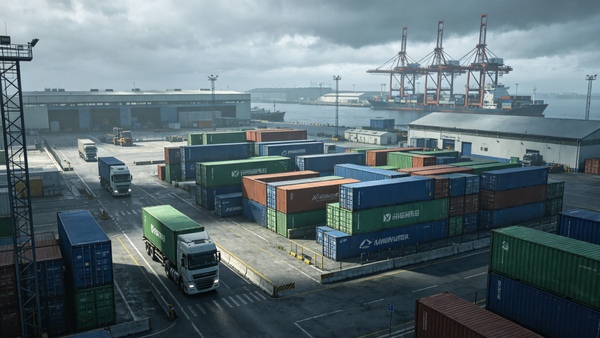
Accumulated port demurrage fees refer to compounded container detention charges incurred when shipping containers reside at terminal yards beyond contractually stipulated free time, with daily tariff charges accruing continuously until cargo clearance completion or empty container return. Such aggregated charges follow unified billing protocols adopted by mainstream ocean carriers across global trade routes.
How do accumulated demurrage charges differ from one-off detention fees?
One-off demurrage fees arise from short-term container detention lasting several days, while accumulated demurrage stems from prolonged terminal occupancy spanning multiple weeks. Extended retention cycles trigger compound tariff calculation mechanisms and trigger stricter documentary review standards during carrier dispute adjudication processes.
What industry data shows the prevalence of accumulated demurrage cases
According to the UNCTAD 2025 Review of Maritime Transport, more than 27% of global port demurrage disputes recorded in 2024 and 2025 relate to accumulated charges caused by prolonged container detention. These long-cycle cases demonstrate lower approval rates for standard waiver applications compared with conventional short-term demurrage incidents.
Why carrier negotiation is essential for accumulated demurrage disposal
Negotiation with ocean carriers represents a primary non-litigation solution for forwarders to address unreasonable accumulated demurrage charges. Passive full payment or unconditional fee acceptance commonly results in avoidable operational losses for logistics service providers.
Why passive fee acceptance causes persistent profit losses
A common mistake is that numerous forwarders settle accumulated demurrage invoices in full without negotiation, aiming to prevent negative carrier credit file records. This reactive operational practice elevates baseline annual logistics expenditures and steadily compresses corporate profit margins.
How flexible carrier policies support fee negotiation
Most established liner carriers maintain flexible exception adjustment mechanisms for accumulated demurrage generated by non-negligent external factors. Structured negotiation with complete valid documentation enables forwarders to secure partial charge deductions or structured installment settlement arrangements.
What market tariff pressure increases negotiation necessity
According to Freightos Baltic Index 2026 Q1 global port tariff statistics, daily demurrage rates on major east-west trade lanes remain at a relatively high stable level. Long-term continuous fee accumulation easily creates substantial financial burdens for small and medium-sized forwarding enterprises.
What pre-negotiation preparation improves carrier communication efficiency
Systematic data sorting and risk evaluation prior to formal carrier negotiation establish a solid foundation for successful accumulated demurrage resolution. Adequate pre-case preparation helps forwarders eliminate passive communication status and strengthen bargaining initiative.
Sort full timeline and fee composition details: Forwarders should note that chronological sorting of container arrival records, free time expiry timestamps, daily accrual logs and final aggregated balances forms the fundamental basis for valid demurrage negotiation. Disorganized time data significantly reduces carrier review willingness and adjudication efficiency.
Classify liability attribution of fee accumulation causes: The recommended approach is to categorize demurrage accumulation triggers into four core types: carrier terminal operational inefficiency, governmental customs regulatory detention, consignee no-show or cargo abandonment, and internal forwarder procedural issues. Clear liability classification supports targeted negotiation strategy formulation.
Collect standardized supporting evidence archives: Compile official vessel arrival confirmations, terminal container occupancy records, regulatory detention notices and published carrier tariff sheets. Complete timestamped evidence packages enhance the objectivity and credibility of negotiation appeals.
Benchmark with recent peer dispute cases: Organize internal historical records and industry public dispute cases dated from 2024 to 2026. Refer to verified fee mitigation ratios and validated appeal frameworks to set reasonable and negotiable settlement expectations.
What core negotiation strategies apply to accumulated demurrage scenarios
Effective negotiation strategies for accumulated demurrage focus on evidence-based argumentation and rational interest coordination, while excluding ineffective emotional pleading and generalized complaint-oriented communication with carrier teams.
Adopt data-driven rational appeal logic: Forwarders should note that carrier claim departments prioritize data authenticity and contractual compliance during dispute reviews. All appeal arguments must correspond to verifiable timeline records and formal tariff clauses rather than subjective verbal descriptions.
Propose staged settlement and partial mitigation solutions: The recommended approach is to deliver flexible settlement proposals for high-value accumulated demurrage cases. Applications for partial fee waiver combined with phased installment settlement receive higher acceptance rates than full exemption requests.
Leverage long-term cooperation volume credibility: Appropriately reference sustained annual shipment throughput, long-term contractual partnership and clean historical dispute records. Carriers typically offer more flexible mitigation policies for reliable long-term client accounts.
Distinguish systemic errors from manual negligence fees: A common mistake is integrating multiple types of demurrage charges within a single negotiation application. System billing errors and regulatory detention-related fees require separated statement and independent evidence submission to optimize review efficiency.
How to handle carrier counterarguments and rigid billing rules
Formal carrier negotiation procedures frequently involve rigid rule interpretation and standardized billing defense mechanisms. Forwarders require targeted response tactics to break negotiation deadlocks and drive reasonable fee adjustment outcomes.
What common carrier rigid responses need professional coping
Front-line carrier customer teams often adhere strictly to automated system billing rules and uniform tariff standards, refusing manual intervention for accumulated demurrage cases. Familiarity with internal carrier review protocols enables forwarders to deploy precise response strategies.
Respond to fixed system billing rule defenses: Forwarders should note that most carrier billing systems support manual exception reviews for special scenarios, including prolonged customs examinations and terminal system malfunctions. Emphasize scenario uniqueness to negotiate exemptions from universal billing rules.
Negotiate differentiated mitigation for long-cycle accumulation: The recommended approach is to propose tiered mitigation frameworks based on actual detention duration. Short-term container retention follows standard tariff rates, while long-cycle accumulated charges qualify for reasonable discounts aligned with prevalent industry practices.
Supplement third-party industry data for endorsement: Reference 2025–2026 Drewry Container Logistics Risk Assessment data to verify that tiered demurrage mitigation is a widely adopted industry solution. Authorized third-party industry data substantially improves negotiation persuasiveness.
Apply for superior department escalation review: If front-line customer service teams deny reasonable adjustment requests, escalate cases to professional carrier claim adjudication departments. Senior review teams possess broader discretionary authority for special accumulated demurrage scenarios.
What post-negotiation work solidifies fee processing results
Standardized post-negotiation follow-up and documentary confirmation ensure full implementation of agreed settlement terms and prevent secondary financial disputes regarding accumulated demurrage charges.
Obtain official written confirmation of negotiation results: Forwarders should note that verbal commitments from carrier representatives are not valid grounds for billing adjustment. Formal email confirmations or official system approval documents are mandatory for financial bookkeeping and invoice revision.
Complete timely financial reconciliation and invoice adjustment: The recommended approach is to reconcile adjusted fee balances with carrier finance teams within three working days after negotiation confirmation. Clarify invoice modification scopes and valid billing cycles to avoid residual charge accumulation.
Archive negotiation cases for internal risk reference: Systematically archive both successful and unsuccessful accumulated demurrage negotiation cases, summarize core evidence requirements and response tactics, and compile standardized internal operational guidelines.
Optimize future shipment risk control rules: Identify operational loopholes leading to long-term container detention and fee accumulation, revise pre-shipment compliance inspection standards, and upgrade in-transit cargo tracking frequency to reduce recurring demurrage risks.
How to build long-term carrier negotiation mechanisms for demurrage risks
Long-term institutional optimization enables forwarders to build stable, efficient disposal capabilities for accumulated demurrage issues, lowering repetitive communication costs and improving overall dispute resolution efficiency.
What value does institutionalized negotiation bring to forwarders
According to 2026 Q1 Shanghai Shipping Exchange logistics benchmark data, forwarding firms with standardized demurrage negotiation mechanisms reduce annual accumulated fee losses by 29.4% compared with enterprises relying on ad-hoc temporary negotiation solutions.
Establish fixed carrier claim communication channels: Maintain continuous professional communication with dedicated carrier claim managers, build stable dispute handling channels, and accelerate response efficiency for accumulated demurrage cases.
Formulate internal demurrage negotiation SOP manuals: Compile unified standards for evidence collection, negotiation wording and case escalation procedures to ensure consistent and standardized disposal of all demurrage dispute cases.
Integrate demurrage negotiation clauses into cooperation agreements: Add customized clauses for accumulated fee mitigation and exceptional case review within long-term carrier framework agreements to secure institutional negotiation advantages.
Conduct regular team negotiation capability training: Organize routine internal training covering updated carrier tariff rules, dispute review criteria and industry negotiation cases to enhance overall professional risk disposal capabilities.
For global freight forwarding enterprises, establishing mature and systematic solutions for What to Do with Demurrage via professional carrier negotiation serves as a vital core operational competency. Through rigorous pre-negotiation preparation, data-driven strategic communication, professional deadlock-breaking tactics and standardized post-event optimization mechanisms, forwarders can effectively resolve accumulated port demurrage challenges, control unplanned logistics expenditures, and strengthen long-term collaborative competitiveness with global ocean carriers.
Last
Crafting a winning freight forwarder digital quotation that converts cold leads into regular shippers
Practical freight forwarder quotation tipsenable global logistics intermediaries to build credible client relationships and conver

Next
How small forwarders survive volatile peak season rates on major sea freight trade lanes
Peak Season Sea Freight Tips deliver practical, cost-effective operational tactics for small and medium-sized freight forwarders t
