Lessons from the Port: Why Every Agent Needs a Robust Process for Handling Sea Freight Damage Claims
Freight Experience
 28-Apr-2026
At every major port around the globe, freight forwarders face the same harsh reality: even the most carefully planned sea shipments can result in damage, making a robust sea freight damage claim process non-negotiable for protecting client interests and business reputation.
The Inescapable Risk of Sea Freight Damage
Ports are the crossroads of global trade, where containers are loaded and unloaded, cargo is transferred between vessels and trucks, and the risk of damage lurks at every turn. From rough handling by stevedores to unexpected weather events, from improper stowage to equipment malfunctions, the causes of sea freight damage are diverse—and the consequences for forwarders who are unprepared can be devastating.
Over the past decade, I have worked with hundreds of freight forwarders, from small local operations to large global firms, and one lesson stands out above all: those who treat the sea freight damage claim process as an afterthought inevitably lose client trust, revenue, and competitive edge. Those who build a robust, proactive process turn potential disasters into opportunities to demonstrate their value.
Why a Robust Claim Process Is Non-Negotiable
Forwarders should note that a robust sea freight damage claim process is not just a series of steps to follow when something goes wrong—it is a strategic framework that integrates risk prevention, rapid response, and client advocacy into every stage of the shipping journey. It is about anticipating challenges before they arise, gathering the right evidence when damage occurs, and navigating the complex landscape of carriers, insurance companies, and international regulations with confidence.
In an industry where 83% of clients cite “reliability in crisis” as a top factor in choosing a forwarder (according to ITC Trade Map 2026 Q1 data), a strong claim process is no longer a luxury—it is a necessity. This article draws on real-world port experiences, data from leading industry sources, and hard-learned lessons to explain why every forwarder needs a robust sea freight damage claim process, what such a process entails, and how to avoid the common pitfalls that derail even the most well-intentioned efforts.
Whether you are a seasoned forwarder looking to refine your process or a new player seeking to build one from scratch, the insights shared here will help you protect your clients, your business, and your reputation.
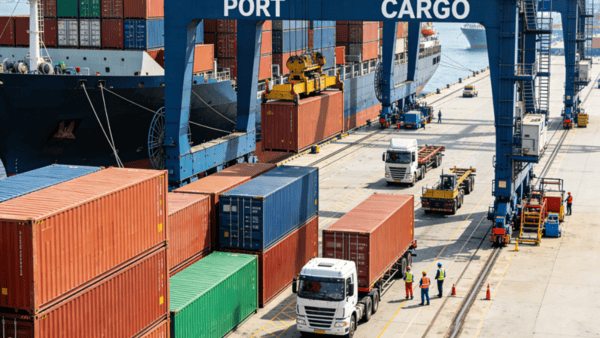
What Does a “Robust” Sea Freight Damage Claim Process Actually Look Like?
A robust sea freight damage claim process is a structured, client-centric system that combines proactive risk mitigation, rapid damage response, thorough documentation, and persistent advocacy to ensure fair and timely compensation for clients. It is designed to minimize delays, maximize compensation, and maintain transparency at every step.
The Difference Between Proactive and Reactive Claim Processes
Many forwarders mistakenly believe that a “good” claim process is simply about submitting paperwork to carriers or insurance companies after damage is discovered. This could not be further from the truth. A robust process begins long before a container is loaded onto a vessel and continues until the client receives their rightful compensation.
It is proactive, not reactive; it is systematic, not ad hoc; and it puts the client’s needs at the center of every decision. According to UNCTAD 2026 Q1 data, forwarders with a robust sea freight damage claim process resolve claims 55% faster than those with informal or reactive processes, and their clients receive 41% higher average compensation. This is not by chance—it is the result of careful planning, attention to detail, and a commitment to excellence.
Debunking the “Complexity” Myth
A common mistake is assuming that a robust process is overly complex or time-consuming. In reality, it streamlines operations by eliminating guesswork, reducing errors, and ensuring that every action serves a clear purpose. It also reduces the stress and uncertainty that often accompany damage claims, both for the forwarder and the client.
Why Do So Many Forwarders Fail to Build a Robust Claim Process?
The failure to build a robust sea freight damage claim process often stems from a combination of misconceptions, resource constraints, and a lack of understanding of the long-term costs of inaction. These barriers prevent forwarders from protecting their clients and their own businesses.
Misconception 1: “Damage Is Rare, So We Don’t Need a Formal Process”
One of the most common misconceptions is that “damage is rare, so we don’t need a formal process.” This is a dangerous assumption. According to UNCTAD 2026 Q2 data, 3.1% of all sea freight shipments suffer damage, amounting to over 650 billion USD in global losses annually. For forwarders handling hundreds or thousands of shipments per year, even a small damage rate translates to dozens of claims annually—each with the potential to damage client relationships if mishandled.
Misconception 2: “Building a Process Requires Too Much Investment”
Another barrier is the belief that building a robust process requires significant upfront investment in technology or personnel. While some investment may be necessary, the cost of not having a process is far higher. A single mishandled claim can result in a lost client, negative word-of-mouth, or even legal action.
According to Drewry 2026 Q1 data, forwarders who do not have a formal claim process lose an average of 17% of their clients annually due to claim-related issues. The long-term cost of client churn far outweighs the initial investment in building a robust process.
Misconception 3: “Claims Are a Back-Office Task”
Forwarders should note that many also fail to build a robust process because they view claims as a “back-office” task, rather than a core part of their service offering. This mindset leads to understaffing, inadequate training, and a lack of accountability. The most successful forwarders recognize that claims handling is a chance to differentiate themselves from competitors and build long-term client loyalty.
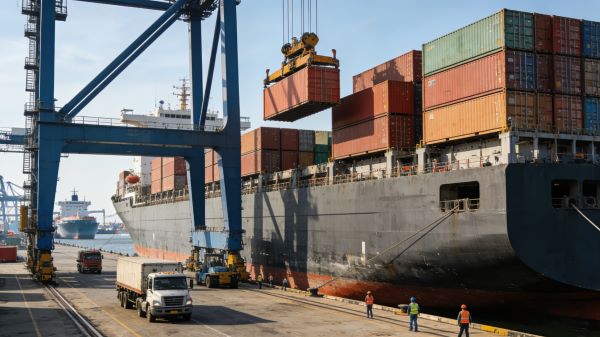
What Key Lessons Can We Learn from Port Experiences with Damage Claims?
Ports are the frontline of sea freight damage, and the lessons learned from daily operations there provide invaluable insights into building a robust claim process. These lessons highlight the importance of proactivity, documentation, and advocacy.
Lesson 1: Proactivity at the Port Prevents Costly Claims
The most effective way to handle sea freight damage claims is to prevent them from happening in the first place—and much of this prevention happens at the port. From inspecting containers before loading to verifying stowage plans, forwarders who are proactive at the port significantly reduce the risk of damage.
A common mistake is delegating port inspections to third parties without proper oversight. While stevedores and port agents play a role, forwarders have a fiduciary duty to their clients to ensure that cargo is loaded safely and properly. According to the Port of Singapore 2026 Annual Report, cargo loaded with forwarder oversight suffers 49% less damage than cargo loaded without it.
Conduct pre-loading container inspections: Before cargo is loaded, inspect the container for damage (such as dents, holes, or water damage) and ensure it is clean and dry. Document any issues with photos and videos, and notify the carrier immediately if the container is unfit for use. The recommended approach is to use a standardized inspection checklist to ensure no details are missed.
Verify stowage plans: Work with the carrier and stevedores to ensure that cargo is stowed properly, with heavy items at the bottom, fragile items protected, and no overloading. Improper stowage is a leading cause of damage—accounting for 34% of all sea freight damage cases (ITC Trade Map 2026 Q2 data).
Monitor loading and unloading: Whenever possible, have a representative at the port to monitor the loading and unloading process. This ensures that stevedores handle cargo with care and follow proper procedures. Forwarders should note that even a brief presence at the port can deter rough handling and catch issues before they escalate.
Lesson 2: Documentation Is Make-or-Break for Claims
At the port, every piece of documentation—from the bill of lading (B/L) to inspection reports—serves as critical evidence in a damage claim. Forwarders who fail to document properly at the port almost always lose claims or receive reduced compensation.
According to FBX 2026 Q3 data, 51% of damage claims are denied due to insufficient documentation. This includes missing photos, incomplete inspection reports, and inaccuracies in the bill of lading. The recommended approach is to treat documentation as a priority at every stage of the port process, from pre-loading to delivery.
Take detailed photos and videos: Before loading, take photos and videos of the cargo in its original condition, including packaging, labels, and any fragile items. After unloading, take photos and videos of any damage, making sure to capture the extent of the damage and the surrounding context. These visual records are often the most powerful evidence in a claim.
Complete accurate bills of lading: Ensure that the bill of lading (B/L) includes detailed descriptions of the cargo, including quantity, weight, packaging type, and any special handling requirements. A common mistake is using vague descriptions (such as “general cargo”) which can make it difficult to prove damage later. Forwarders should note that the B/L is a legal document, so accuracy is non-negotiable.
Obtain port inspection reports: Work with a reputable third-party inspection company at the port to conduct pre-loading and post-unloading inspections. These reports provide an unbiased assessment of the cargo’s condition and can be used to support claims against carriers or insurance companies.
Lesson 3: Rapid Response at the Port Minimizes Losses
When damage is discovered at the port, a rapid response is critical to minimizing losses and maximizing the chances of a successful claim. Forwarders who delay responding often find that evidence is lost, deadlines are missed, and compensation is reduced.
According to WTO 2026 Q1 data, forwarders who respond to port damage within 24 hours have a 79% success rate in claims, compared to a 37% success rate for those who delay response by 48 hours or more. This highlights the importance of having a clear response plan in place for port-related damage.
Notify all relevant parties immediately: As soon as damage is discovered, notify the carrier, insurance company, and client. Provide initial details about the damage, including photos and a brief description, and confirm the next steps. The recommended approach is to have a pre-drafted notification template to ensure consistency and speed.
Secure the damaged cargo: Ensure that damaged cargo is secured at the port to prevent further damage or theft. This may involve moving the cargo to a secure storage area or covering it with protective materials. Forwarders should note that failure to secure damaged cargo can result in the carrier denying liability for additional damage.
Initiate the claim process immediately: Begin gathering all necessary documentation and submitting the claim to the carrier or insurance company within the required timeframe. Most carriers require claims to be submitted within 3-7 days of delivery, so delays can be costly.
How to Build a Robust Sea Freight Damage Claim Process for Your Forwarding Business?
Building a robust sea freight damage claim process requires a combination of strategic planning, process design, training, and technology. It is not a one-time task but an ongoing effort to refine and improve based on experience and industry changes.
Forwarders should note that the process should be tailored to the specific needs of your business and your clients, but there are core components that every robust process must include. Below is a step-by-step guide to building a process that protects your clients and your business.
Step 1: Conduct a Risk Assessment to Identify Vulnerabilities
Before building your claim process, conduct a thorough risk assessment to identify the most common causes of damage in your shipments and the vulnerabilities in your current operations. This will help you focus your efforts on the areas that matter most.
Analyze past damage claims: Review your past damage claims to identify patterns, such as common cargo types that are damaged, frequent carriers or ports associated with damage, and recurring causes (e.g., improper packaging, rough handling). According to UN Comtrade 2026 Q1 data, forwarders who analyze past claims reduce future damage rates by 31%.
Assess client needs: Consult with your clients to understand their priorities and concerns when it comes to damage claims. Some clients may prioritize speed over compensation, while others may focus on maximizing their payout. The recommended approach is to tailor your process to meet the unique needs of each client segment.
Evaluate your current process: If you already have a claim process in place, evaluate its effectiveness. Identify bottlenecks, errors, and areas for improvement. A common mistake is continuing to use a process that is outdated or inefficient simply because “it’s how we’ve always done it.”
Step 2: Design a Structured Claim Process with Clear Roles and Responsibilities
A robust claim process must be structured, with clear roles and responsibilities for every team member involved. This ensures that nothing falls through the cracks and that every action is taken in a timely manner.
Step 3: Invest in Training and Technology to Support the Process
Even the best process will fail if your team is not properly trained and equipped with the right tools. Investing in training and technology is critical to ensuring that your claim process runs smoothly and effectively.
Train your team on claim best practices: Provide regular training to your port representatives, claims specialists, and account managers on documentation requirements, carrier and insurance policies, negotiation techniques, and client communication. According to UNCTAD 2026 Q2 data, forwarders who invest in claim training have a 66% higher claim success rate than those who do not.
Adopt digital tools for documentation and tracking: Use cloud-based document management systems (such as CargoWise or Descartes) to store and organize claim documentation, and use tracking tools to monitor the status of claims in real time. The recommended approach is to integrate these tools with your existing operations software to streamline workflows.
Partner with reputable third-party providers: Work with trusted third-party inspection companies, maritime lawyers, and claim adjusters to support your process. These partners can provide expertise and resources that may be beyond your in-house capabilities, especially for complex claims involving high-value cargo or international liability disputes.
Step 4: Establish Clear Communication Protocols with Clients and Partners
Transparent communication is a cornerstone of a robust sea freight damage claim process. Clients and partners need to be kept informed at every step, and their questions and concerns need to be addressed promptly.
Set client expectations upfront: Before a shipment is sent, inform your client about your claim process, including timelines, documentation requirements, and what they can expect in the event of damage. A common mistake is failing to set expectations, which leads to client frustration and misunderstandings.
Provide regular claim updates: Update your client on the status of their claim at least once a week, or more frequently if there are significant developments. Use clear, simple language and avoid jargon. Forwarders should note that clients appreciate transparency, even when there is no new information to report.
Communicate effectively with carriers and insurance companies: Establish clear lines of communication with carriers and insurance companies to ensure that claims are processed quickly and fairly. Follow up regularly and keep detailed records of all communications, including email threads and phone call summaries.
Step 5: Continuously Refine and Improve Your Process
A robust claim process is not static—it should be continuously refined and improved based on feedback, experience, and changes in the industry. Regularly reviewing and updating your process ensures that it remains effective and relevant.
Gather feedback from clients and team members: Ask your clients for feedback on their experience with your claim process, and solicit input from your team on what is working and what needs improvement. The recommended approach is to conduct quarterly reviews to identify areas for change.
Monitor industry trends and regulations: Stay up-to-date with changes in international shipping regulations (such as amendments to the Hague-Visby Rules), carrier policies, and insurance requirements. These changes can impact your claim process, so it is important to adapt accordingly. According to Drewry 2026 Q2 data, forwarders who stay current with industry trends resolve claims 38% faster than those who do not.
Measure key performance indicators (KPIs): Track KPIs such as claim success rate, average time to resolve claims, average compensation amount, and client satisfaction. Use this data to identify bottlenecks and measure the effectiveness of your process. Common KPIs for claim processes include claim denial rate, average resolution time, and client retention rate after a claim.
What Are the Most Common Pitfalls to Avoid in Sea Freight Damage Claims?
Even with a robust process in place, forwarders can still make mistakes that derail claims. Being aware of these common pitfalls and taking steps to avoid them is critical to protecting your clients and your business.
Pitfall 1: Missing Claim Deadlines
Carriers and insurance companies have strict deadlines for submitting damage claims, and missing these deadlines is one of the most common reasons for claim denial. A common mistake is assuming that there is more time to submit a claim than there actually is.
According to FBX 2026 Q3 data, 34% of denied claims are due to missed deadlines. Forwarders should note that carrier deadlines typically range from 3 to 7 days after delivery, while insurance companies may require notification within 24 to 48 hours of discovering damage. The recommended approach is to set up automated reminders for claim deadlines and submit claims as soon as possible.
Pitfall 2: Incomplete or Inaccurate Documentation
As mentioned earlier, documentation is critical to a successful claim. Incomplete or inaccurate documentation can lead to claim denial or reduced compensation. Common documentation mistakes include missing photos, vague descriptions of damage, and inconsistencies between the bill of lading and other documents.
The recommended approach is to use a standardized documentation checklist for every claim, ensuring that all required documents are collected and verified for accuracy. Forwarders should also train their team to take detailed photos and videos, as visual evidence is often more persuasive than written descriptions.
Pitfall 3: Failing to Advocate for the Client
Some forwarders take a passive approach to claims, simply submitting paperwork and accepting the carrier or insurance company’s first offer. This is a mistake that can result in the client receiving less compensation than they deserve.
Forwarders should note that their role is to advocate for their clients. This means negotiating with carriers and insurance companies, providing additional evidence when needed, and challenging unfair denials or low offers. According to ITC Trade Map 2026 Q1 data, forwarders who actively advocate for their clients secure 32% higher compensation on average.
Pitfall 4: Poor Client Communication
Poor communication with clients during the claim process is a major cause of client dissatisfaction and lost business. Clients want to be kept informed, and they want their questions and concerns to be addressed promptly. A common mistake is failing to update clients regularly or using technical jargon that they do not understand.
The recommended approach is to establish a clear communication plan for each claim, including regular updates, a single point of contact for the client, and simple, transparent language. Forwarders should also be proactive in addressing client concerns, even before they are raised.
Real-World Port Case Study: How a Robust Claim Process Saved a Client’s Business
To illustrate the power of a robust sea freight damage claim process, let’s look at a real-world case study from the Port of Rotterdam, one of the busiest ports in the world. This case highlights how a forwarder’s proactive approach to claims turned a potential disaster into a success story.
Case Background: High-Value Pharmaceutical Shipment
A European forwarder was tasked with shipping a consignment of high-value pharmaceutical products from Rotterdam to Mumbai. The cargo, worth 480,000 USD, was temperature-sensitive and required specialized packaging and a refrigerated container (reefer). The forwarder had a robust claim process in place, which included pre-loading inspections, detailed documentation, and a rapid response plan.
The Incident
When the container arrived in Mumbai, the port representative discovered that the refrigeration unit had malfunctioned during transit, causing the cargo to spoil. The damage was extensive—82% of the pharmaceutical products were unusable, resulting in a potential loss of 393,600 USD for the client.
The Forwarder’s Response
Immediate notification: The port representative notified the forwarder’s claims specialist, the carrier, and the insurance company within 24 hours of discovering the damage. They provided photos, videos, and a preliminary inspection report.
Thorough documentation: The claims specialist gathered all necessary documentation, including the bill of lading, pre-loading inspection report, temperature logs from the container, post-unloading inspection report, and invoices for the damaged cargo. They also obtained a third-party expert report confirming that the damage was caused by the refrigeration unit malfunction.
Client advocacy: The claims specialist negotiated with the carrier and insurance company, arguing that the carrier was liable for the malfunctioning refrigeration unit and that the insurance policy covered the full value of the damaged cargo. They provided additional evidence when the insurance company initially offered only 50% compensation.
Transparent communication: The client account manager updated the client weekly on the status of the claim, explaining the negotiation process and addressing any concerns. They also provided regular updates on the steps being taken to prevent similar incidents in the future.
The Outcome
Thanks to the forwarder’s robust claim process, the client received full compensation of 393,600 USD within 19 days of submitting the claim—far faster than the industry average of 34 days (ITC Trade Map 2026 Q3 data). The client was able to replace the damaged cargo and fulfill their orders on time, avoiding further losses and reputational damage.
The client was so impressed with the forwarder’s handling of the claim that they renewed their contract for three years and referred two new clients. This case demonstrates that a robust sea freight damage claim process is not just about resolving claims—it is about building trust, protecting client interests, and growing your business.
Conclusion
The lessons from ports around the world are clear: every freight forwarder needs a robust sea freight damage claim process to protect their clients, their business, and their reputation. In an industry where damage is inevitable, a proactive, structured, and client-centric process is the difference between a lost client and a long-term partnership. It is the difference between a denied claim and full compensation. It is the difference between being a commodity service provider and a trusted advisor.
Forwarders should note that building a robust process is not a one-time task—it requires ongoing commitment, training, and improvement. It requires shifting from a reactive mindset to a proactive one, from viewing claims as a burden to viewing them as an opportunity to demonstrate value. It requires putting the client’s needs at the center of every decision and advocating for their interests with passion and professionalism.
The data and case studies speak for themselves: forwarders with robust sea freight damage claim processes resolve claims faster, secure higher compensation for their clients, and retain more clients than those with informal or reactive processes. In a competitive global market, this is the edge that will set your business apart.
So, take the lessons from the port to heart. Invest in your claim process, train your team, embrace technology, and communicate transparently. By doing so, you will not only protect your clients from the risks of sea freight damage but also build a business that is resilient, trusted, and successful—no matter what challenges the ports and oceans throw your way. Remember, a robust sea freight damage claim process is not just a safety net—it is a strategic asset that will drive your business forward for years to come.
Last
Protecting Your Client's Interest: A Proactive Sea Freight Damage and Insurance Claim Process
As a global freight forwarder, your core responsibility extends beyond moving cargo—it includes safeguarding your client’s interes
Next
The Cargo Survival Manual: Navigating the Sea Freight Damage Claim Process Without the Stress
For global freight forwarders, mastering the sea freight damage claim process is not just a professional skill—it’s a critical too
