Emerging Market Growth: How Freight Forwarders Can Turn Opportunities into Business | Highlights from the JCtrans Shenzhen Salon
JCtrans News
 21-Sep-2026
Shifting Cargo Flows | Emerging Markets | New Opportunities | International Growth
On September 15, the JCtrans City Salon was held in Shenzhen. Under the theme “New International Growth Opportunities for Shenzhen Freight Forwarders,” the JCtrans team and executives from several freight forwarding companies discussed market shifts, practical platform strategies, international expansion, customer acquisition, and risk control.
As global cargo flows and customer needs continue to change, the discussion did not focus on which market is currently the most popular. Instead, it addressed a more practical question: How can freight forwarders identify markets that fit their capabilities, find customers and partners, and turn opportunities into business?
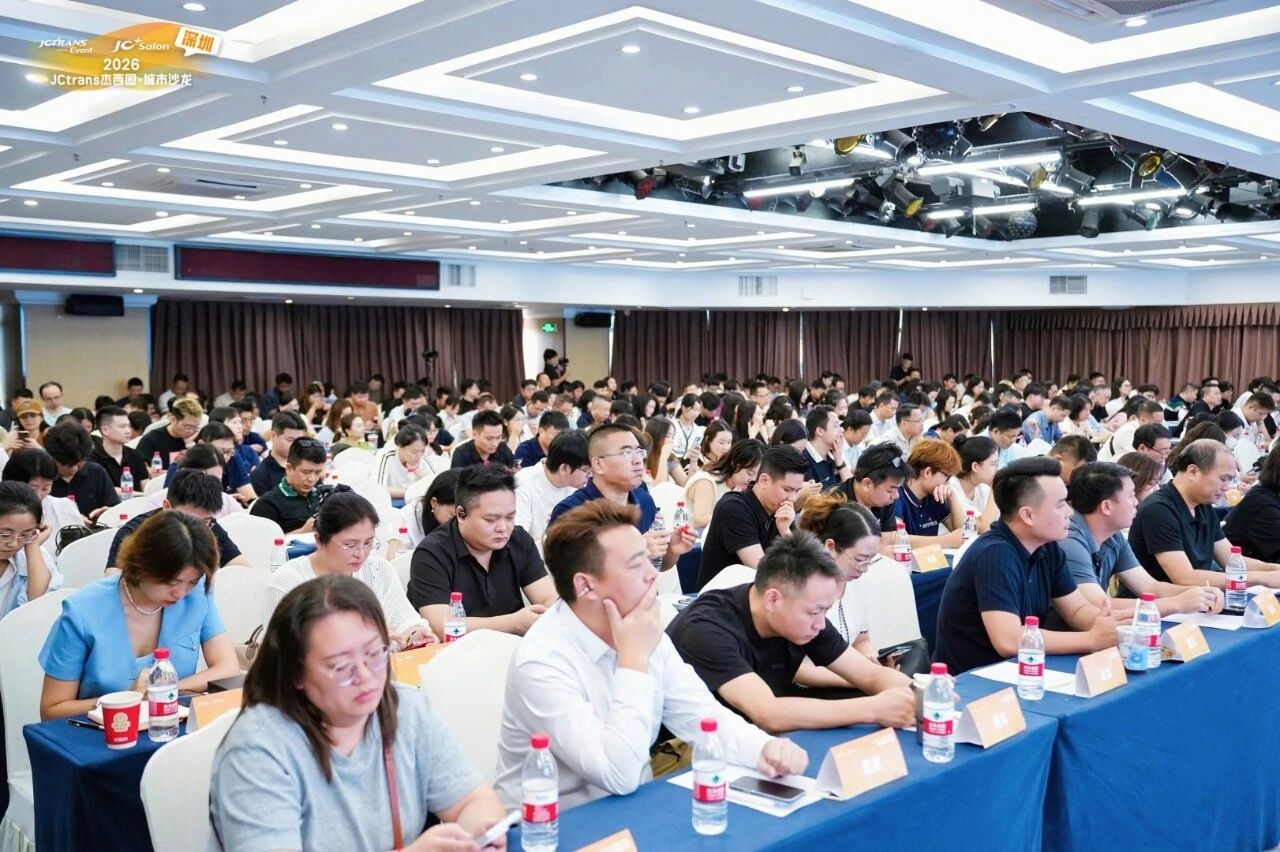
PART 01 Industry Trends & Platform Value
Presentation Topic | From Market Shifts to Practical Platform Strategies: Finding Partners and Developing Business with JCtrans
Growth opportunities remain, but they are taking new forms. Drawing on market indicators including international container throughput at Chinese ports in early 2026, Cayla Ji, Customer Success Manager at JCtrans, noted that cargo has not disappeared from the international logistics market. Instead, cargo flows are becoming more dispersed across markets and supply chain nodes.
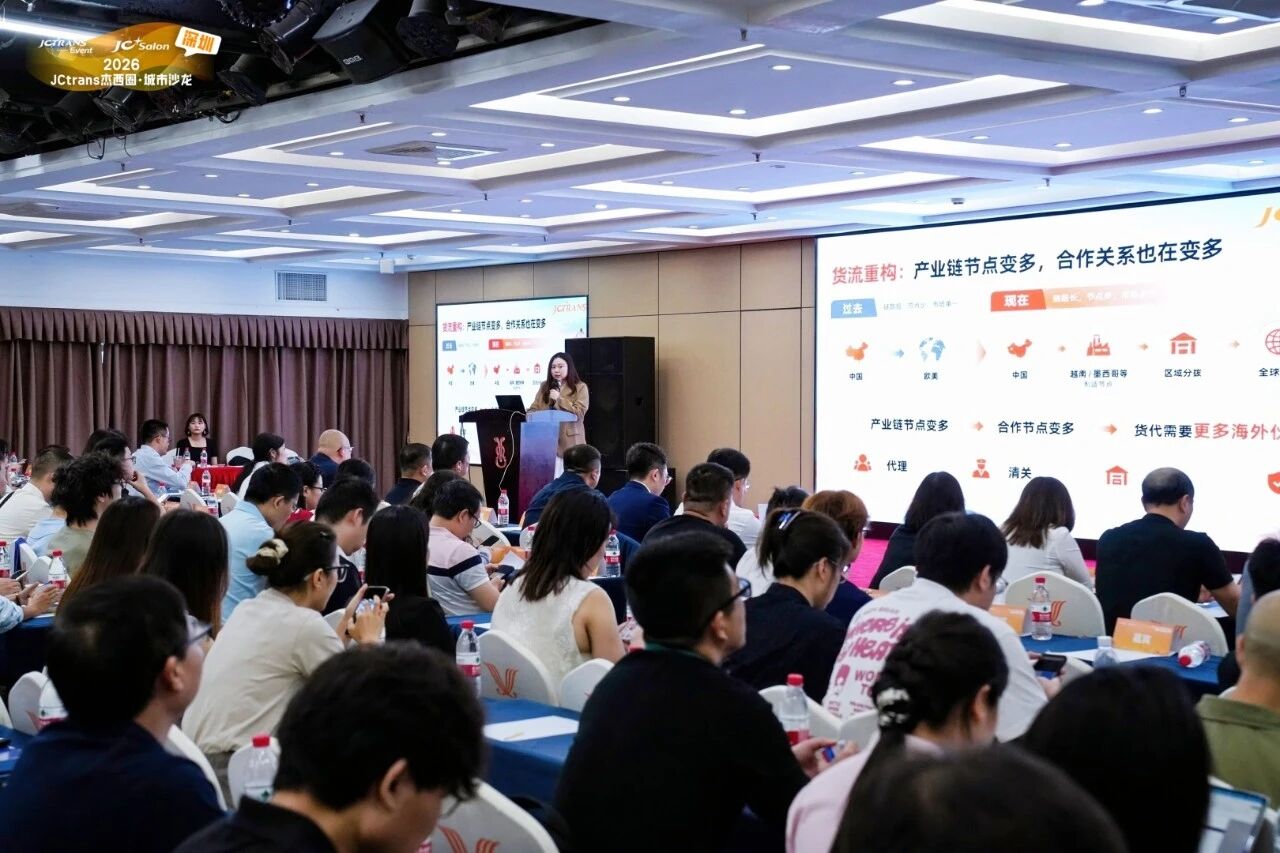 Cayla Ji, Customer Success Manager at JCtrans
Assessing a new market requires more than identifying which countries have the highest cargo volumes. Freight forwarders also need to understand where industries are expanding, where customer demand is growing, and where new logistics requirements are emerging. As Chinese manufacturing, cross-border e-commerce, and supply chains continue to expand overseas, freight forwarders need access to a wider range of overseas agents, destination resources, and service providers.
Once a market has been identified, how can the opportunity be converted into business? Drawing on practical platform use cases, Cayla Ji broke the business development process down into seven steps: find, verify, showcase, win, connect, pay, and learn. JCtrans supports companies throughout this process—from finding suitable partners and verifying company capabilities to showcasing their strengths, securing business opportunities, making payments, and developing industry knowledge. The aim is to help companies move from making an initial connection to completing a transaction. A market is only the point of entry. Sustainable growth depends on maintaining relationships with customers and partners and converting those connections into business.
Presentation Topic | Finding Partners Is Only the First Step in a New Market—Why Should They Trust You?
Jeff Zhou, Vice President, Product at JCtrans, discussed the JCtrans membership framework and platform capabilities. He focused on four practical areas of business operations: access to business opportunities, trust verification, Cooperation Risk Protection, and ways to Reduce Costs and Boost Efficiency.
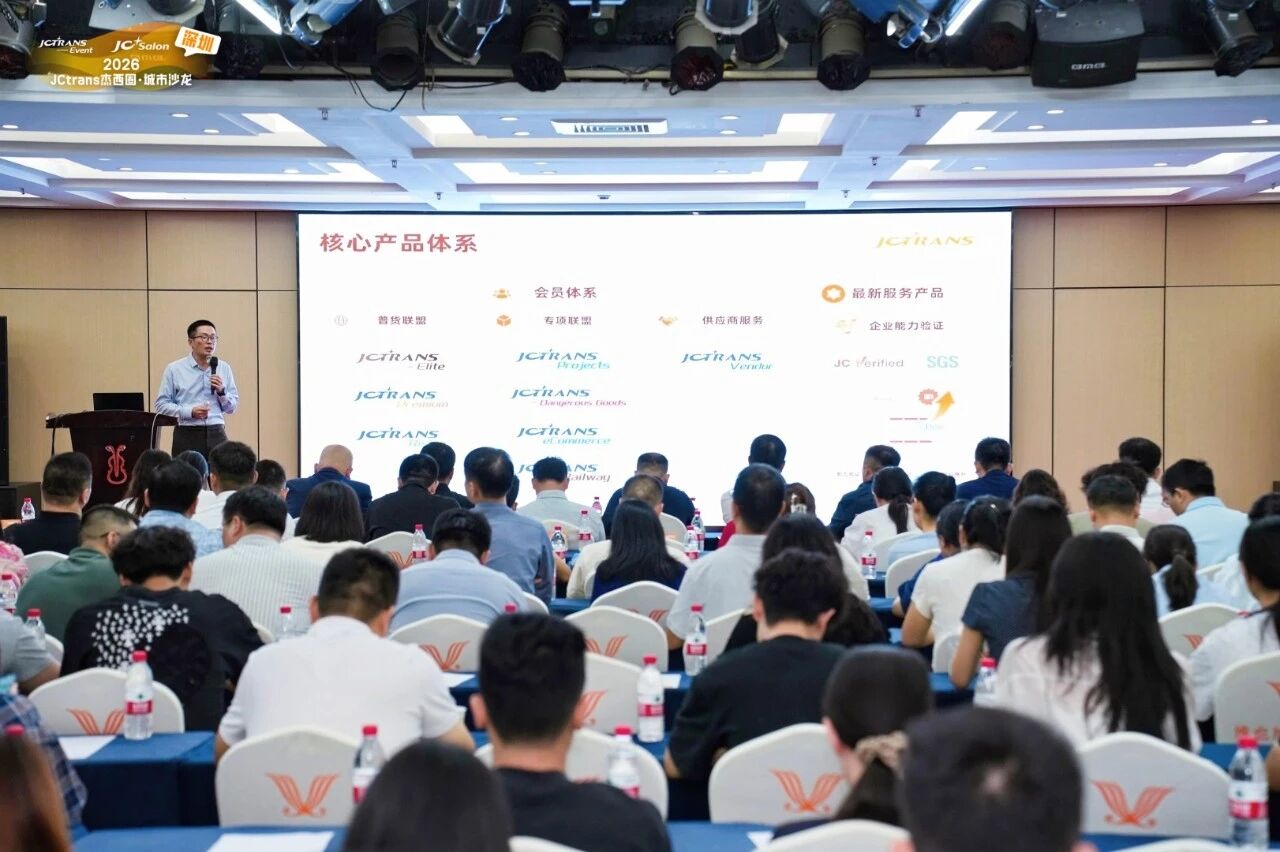 Jeff Zhou, Vice President, Product at JCtrans
JC Verified was one of the main topics covered in the presentation. Through SGS’s independent verification of company credentials and supporting materials relating to business capabilities, companies can receive a verification report, certificate, and exclusive JC Verified logo. These materials allow potential partners to review verified company information and business capabilities more efficiently.
In an unfamiliar market, companies need to do more than find overseas partners. They must also reduce the information asymmetry that exists at the start of a business relationship. Clearly presenting company capabilities and verifying key business information can help both parties move more quickly from initial contact to cooperation.
PART 02 Member Experience & Insights
Presentation Topic | Building for the Long Term and Expanding Overseas: Lessons in Freight Forwarder Transformation and Growth
Drawing on nearly two decades of business experience, Michael Wong, Executive Director of M&S International Forwarding Ltd, shared a long-term approach to international expansion.
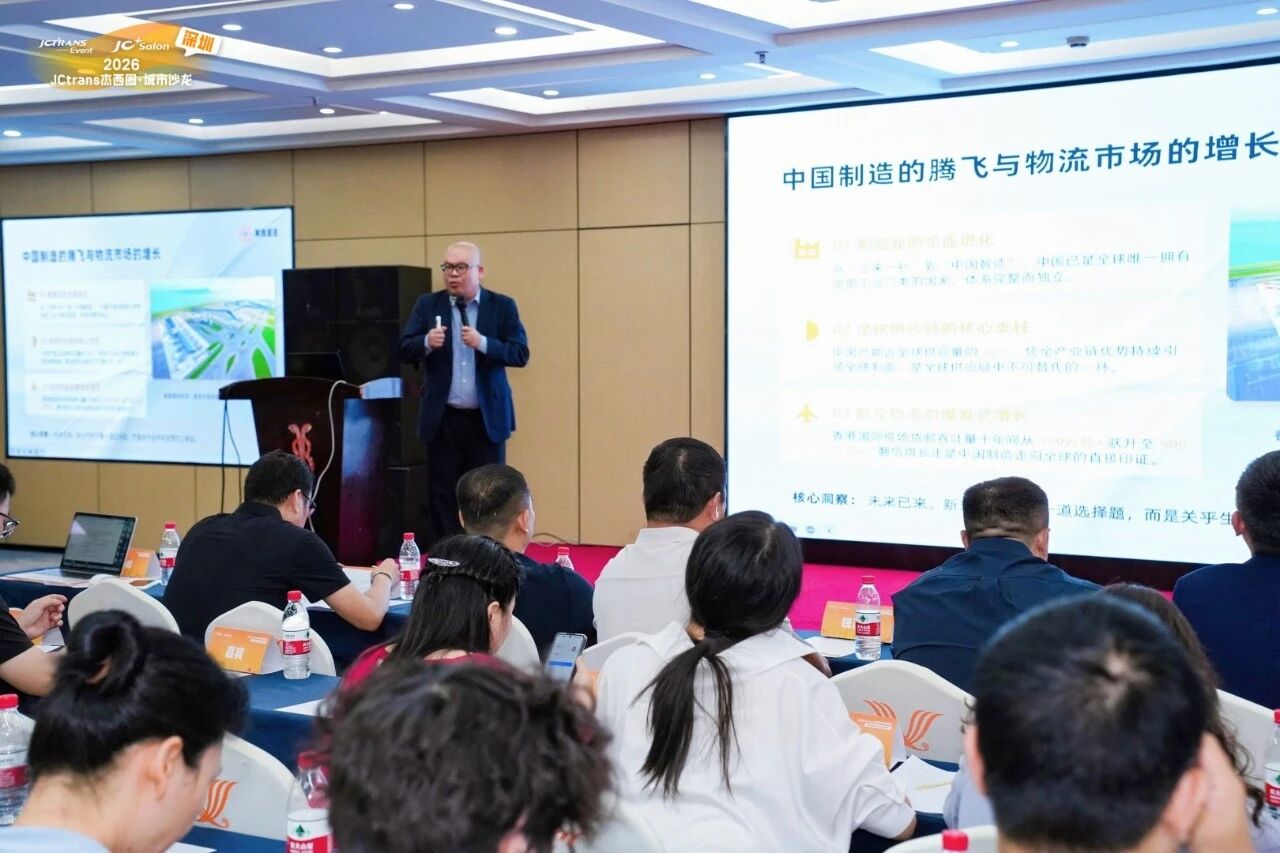 Michael Wong, Executive Director of M&S International Forwarding Ltd
He noted that before expanding into more markets, a company must first determine whether its own capabilities are strong enough to support that growth. For customer acquisition, companies should reduce their reliance on price competition and seek suitable customers through industry associations, the manufacturing sector, cross-border e-commerce, and other channels.
When selecting overseas agents, companies should first identify customer needs and then assess potential agents based on compliance credentials, destination capabilities, responsiveness, reputation, and long-term stability. They can also move beyond a single transport service and build a broader offering that includes customs clearance, delivery, overseas after-sales support, and other destination services.
For overseas expansion, Michael Wong emphasized an asset-light approach. Companies can first use established overseas agents and local resources to test demand, then decide whether further investment is justified by the scale of the business.
Success in emerging markets is not measured by the number of overseas locations a company has. The right customers, reliable agents, consistent service delivery, and manageable risks are what define a freight forwarder’s overseas capabilities.
Presentation Topic | From Cargo to Customers: How Freight Forwarders Can Achieve Growth in Emerging Markets
Volcano Zheng, General Manager of UNICORN SUPPLY CHAIN (SHENZHEN) CO., LTD, shared three principles from the perspective of a small or midsized freight forwarder: persistence, focus, and putting customers first.
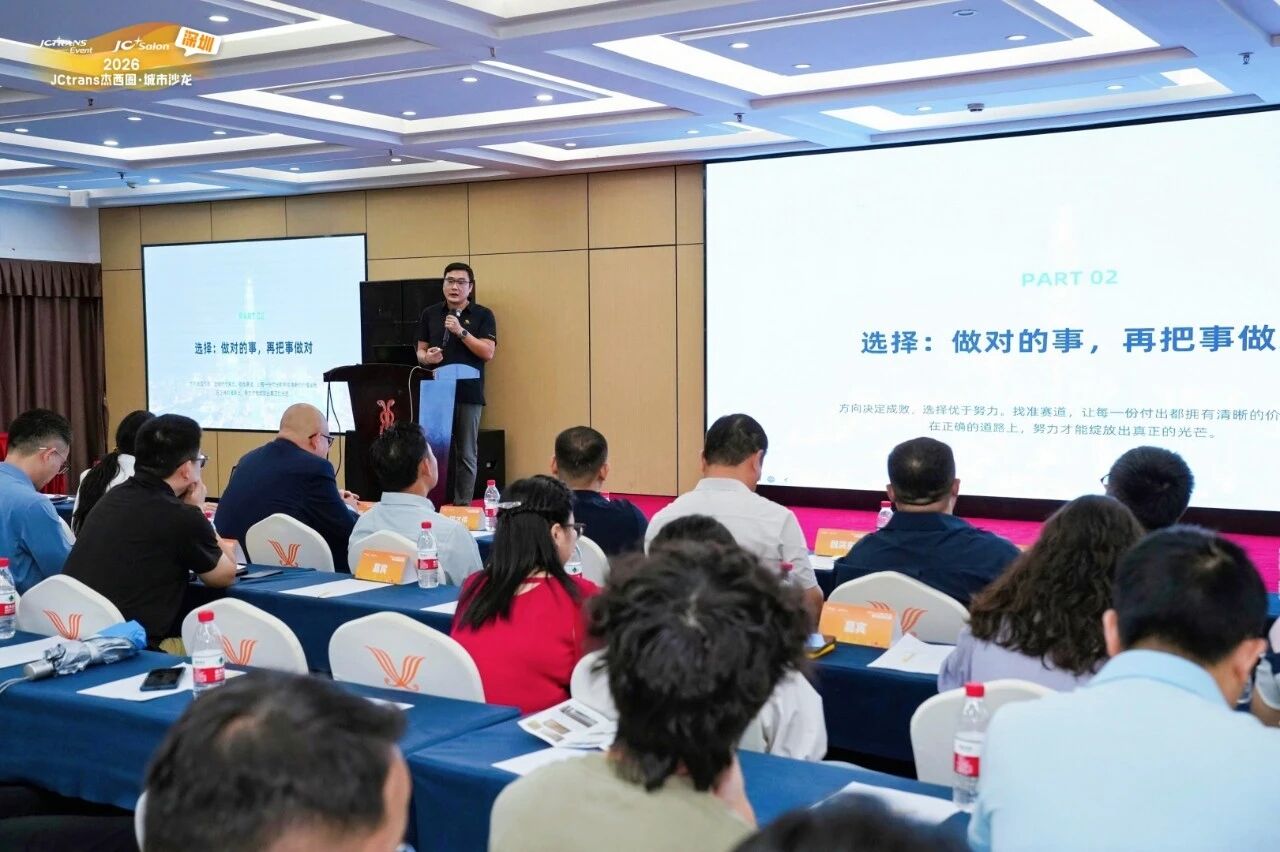 Volcano Zheng, General Manager of UNICORN SUPPLY CHAIN (SHENZHEN) CO., LTD
Persistence does not simply mean investing more time. It means continually strengthening professional expertise, service quality, and customer relationships so that consistent work pays off over time. Focus means identifying a direction that fits the company’s capabilities. Small and midsized freight forwarders do not need to be all things to all customers when entering emerging markets. They can begin with one country, one cargo type, one industry, or a specific customer group and concentrate their limited resources on areas where they have genuine expertise.
Putting customers first means looking beyond the immediate transaction. By consistently providing professional advice and service that exceeds expectations, freight forwarders can build trust through long-term cooperation.
Access to cargo does not guarantee a customer base, and resources alone do not guarantee a competitive advantage. For small and midsized freight forwarders, identifying a clear area of strength and developing deeper expertise may be more important than expanding without a defined strategy.
PART 03 Roundtable Discussion
Roundtable Topic | As Emerging Markets Grow, Where Can Freight Forwarders Find Their Next Opportunity?
While the earlier presentations addressed how to assess markets and develop business, the roundtable brought the discussion closer to day-to-day operations. It focused on changing customer needs, international expansion, and how small and midsized freight forwarders can capture new opportunities.
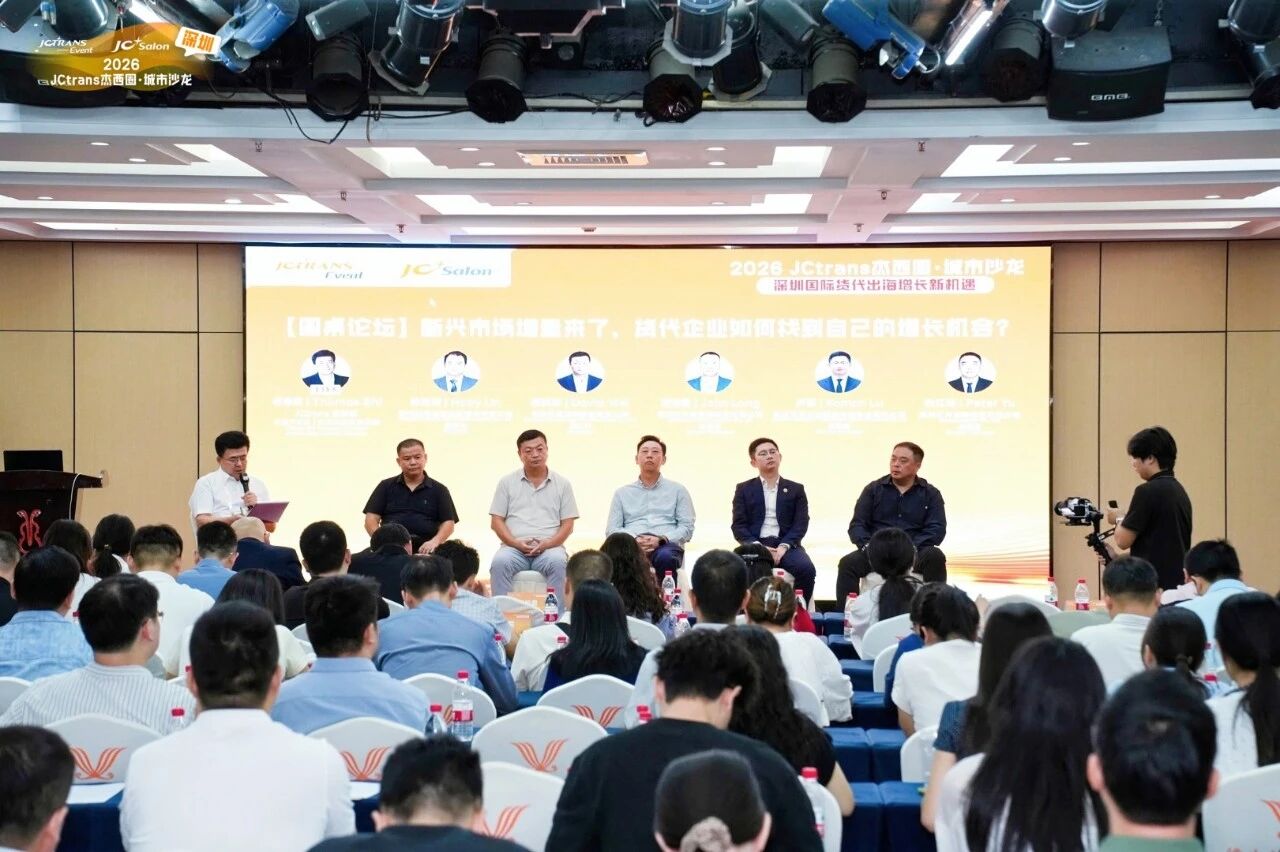

The roundtable was moderated by Thomas Shi, JCtrans Key Accounts Director and JCtrans Club General Manager. The panelists were Hoby Lin, Chairman of Shenzhen Haiyuan International Logistics Co., Ltd.; David Wei, Chairman of Sky International Logistics (Shenzhen) Co., Ltd.; John Long, General Manager of A&E International Logistics Co., Ltd.; Roman Lu, General Manager of Shenzhen Forwarder International Logistics Technology Co., Ltd.; and Peter Yu, General Manager of Marka Logistics Co., Ltd.
Topic 1 | How Are Customers Changing, and How Should Freight Forwarders Adapt Their Services?
Freight forwarding services must evolve as customer needs change. The panelists noted that customers now expect support across a much longer service chain. While customers previously focused more heavily on port-to-port transportation, their requirements now extend to overseas warehousing, customs clearance, local delivery, and other destination services. They need more than a freight rate.
Freight forwarders therefore need a stronger ability to design logistics solutions and manage delivery at destination. However, a broader service scope does not mean every stage must be handled in-house. The panelists said companies should define their capabilities clearly: which services must be managed internally, and which can be handled by specialized partners. The objective is to ensure that customers’ cargo is delivered reliably.
Topic 2 | How Should Freight Forwarders Support Customers Expanding Overseas?
As customers enter new markets, freight forwarders need destination capabilities that can support them. However, establishing their own overseas operations is not the only option. In unfamiliar markets, companies can first use overseas agents and local partners to test demand, then decide whether further investment is justified by the scale of the business.
Whether companies establish their own operations or work with partners, destination capabilities remain critical. Overseas agents should not be assessed solely on price. Their compliance credentials, customs clearance and delivery capabilities, response times, rate stability, and long-term cooperation records must also be considered. One panelist shared experience conducting an on-site inspection of an overseas warehouse, reviewing the facility, team, and operating procedures to assess the partner’s capabilities.
Overseas expansion is not simply about establishing more locations. Companies should first verify demand and select suitable partners. Once the business is operating consistently, they can determine how much further investment is appropriate.
Topic 3 | How Can Small and Midsized Freight Forwarders Capture Growth in Emerging Markets?
The final discussion returned to the question that matters most to small and midsized freight forwarders: Without the capital and global networks of larger companies, where can they find opportunities?
Emerging markets offer growth potential, but not every market is suitable for every company. For freight forwarders with relatively limited capital, teams, and international networks, the panelists recommended focusing on a specific area of strength rather than trying to cover every market and service. That starting point could be one country, one cargo type, one specialized industry, or even a group of familiar customers.
Before entering an unfamiliar market, companies should also understand local policies, customs requirements, taxation, employment rules, capital requirements, and their own risk tolerance. Market shifts and regulatory conditions can both affect business operations. The faster a company grows, the more carefully it must assess its risks and investment requirements.
Freight forwarders should not commit heavily from the outset when entering an emerging market. They should choose the right point of entry, test the market in small steps, understand their own capabilities, and then scale gradually.
From shifting cargo flows and overseas expansion to customer needs, partner selection, platform tools, and internal capability building, every discussion at the Shenzhen salon returned to the same question: How can freight forwarders capture growth in emerging markets?
The answer is not simply to enter another country, add an overseas agent, or establish a new international office.
Understand the market, choose the right point of entry, find suitable partners, build reliable service capabilities, and then expand step by step. Growth in emerging markets is already taking place. What matters now is not only where to go, but what each company can genuinely do well.

Next
JC Verified Member Benefits Expand: Six New Benefits for Filtered Search, Visibility, and Inquiries
Freight forwarders looking for overseas agents usually consider more than one company. They use the Company Directory to filter co
