Sourcing Ad Hoc Air Charter Capacity for Urgent Oil and Gas Equipment Shipping from Northern Europe to the Middle East

Freight Area

5-Jun-2026

Europe to Middle East Air freight networks form a vital emergency logistics channel for oversized, high-value oil and gas industrial equipment, supporting time-bound project deliveries for energy enterprises based in Northern Europe and Middle Eastern energy hubs. Ad hoc air charter solutions fill operational gaps of scheduled commercial air cargo services, which struggle to accommodate urgent, non-standard industrial freight on this key trade corridor. Recent expansions in Middle Eastern energy infrastructure projects have driven steady growth in market demand for flexible industrial air charter arrangements.


Why are ad hoc air charters essential for Northern Europe to Middle East oil and gas cargo?


Ad hoc air charter services deliver customizable, on-demand cargo capacity for non-standard oil and gas equipment shipments moving between Northern Europe and the Middle East. These tailored aviation solutions resolve capacity constraints and dimensional limitations that standard scheduled air freight services cannot address for heavy industrial energy cargo. According to ITC Trade Map 2024 data, cross-border air freight volumes of oil and gas mechanical equipment on this route recorded a 22.7% year-on-year increase.


What unique characteristics define oil and gas equipment air shipments?


Oil and gas industrial cargo features oversized dimensions, heavy dead weight, high structural precision, and low tolerance for transit delays, setting it apart from conventional general air freight. Typical consignments include drilling assemblies, pipeline maintenance machinery, offshore platform spare components, and pressure control units, most of which are non-detachable and incompatible with standard ULD container specifications. Any delivery holdup may trigger operational suspension risks for ongoing energy exploration and infrastructure projects across the Middle East region.


What limitations do scheduled commercial flights have for such cargo?


A common mistake is relying on conventional commercial passenger bellyhold cargo space to arrange urgent oil and gas equipment transportation. Most scheduled flights operate with fixed cabin dimensions, static weight thresholds, and rigid route timetables, lacking adaptive capacity for emergency industrial cargo requirements. Forwarders should note that peak construction cycles for regional energy projects often saturate conventional air cargo capacity, leaving limited available slots for time-sensitive industrial shipments.


What core challenges exist in sourcing ad hoc charter capacity for this route?


A range of operational and market-related obstacles complicate the procurement of reliable ad hoc air charter capacity for Northern Europe to Middle East oil and gas equipment movements. These hurdles involve capacity volatility, cargo adaptability matching, and regional aviation compliance protocols for industrial charter operations.


Seasonal capacity supply instability: Northern European air cargo markets face tightened capacity availability during winter seasons due to adverse weather and frequent operational adjustments. According to IATA 2025 regional air cargo reports, European industrial charter capacity availability contracts moderately during peak winter months amid rising operational disruptions.


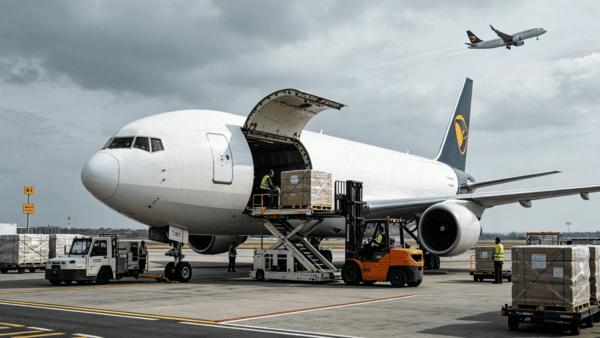
Specialized aircraft matching barriers: Oversized and heavy oil and gas equipment requires modified wide-body freighters equipped with nose-loading or tail-loading configurations. Standard charter aircraft lack structural adaptability for such cargo specifications, narrowing the pool of eligible aircraft resources for forwarding practitioners.


Complex regional airspace clearance procedures: Middle Eastern aviation administrations enforce rigorous temporary flight approval protocols for industrial charter movements. Emergency ad hoc charter requests require expedited document vetting, and insufficient pre-coordination may result in short-term scheduling deferrals.


Dynamic pricing fluctuations in spot charter markets: Unplanned urgent freight requirements generate incremental spot market demand for charter services. Sporadic surges in energy equipment transportation needs contribute to variable charter rate fluctuations, raising overall logistics expenditure for energy project clients.


How can forwarders efficiently source qualified ad hoc air charter capacity?


Efficient ad hoc charter procurement for oil and gas equipment depends on standardized supplier screening frameworks, reserved resource mechanisms, and pre-departure compliance validation. This structured operational workflow enables forwarders to secure stable, cost-efficient charter capacity for urgent industrial shipments on Europe to Middle East Air routes.


The recommended approach is to build a pre-qualified charter carrier database focused on Northern Europe and Middle East route coverage. Forwarders can categorize partner airlines by aircraft model, payload capacity, route certification eligibility, and emergency response efficiency to support rapid cargo-specific capacity matching.


Finalize full cargo parameter confirmation upfront: Conduct comprehensive verification of equipment weight, external dimensions, packaging specifications, and fragile component positioning prior to charter sourcing. Accurate cargo data prevents aircraft model mismatch and secondary charter rescheduling that disrupts project timelines.


Select carriers with industrial freight expertise: Prioritize charter operators with accumulated practical experience in energy equipment logistics. Such carriers deploy professional cargo bracing, reinforcement techniques, and industrial risk management systems to lower the probability of in-transit cargo damage.


Complete pre-submission of regional aviation documentation: Forwarders should note that proactive pre-filing of charter flight approval paperwork with Middle Eastern aviation authorities shortens official clearance cycles substantially. This proactive measure supports on-time departure for time-critical industrial cargo consignments.


Negotiate seasonal standby charter cooperation terms: Establish long-term framework agreements with charter suppliers to reserve standby aircraft resources during high-demand seasons. Structured standby arrangements help accommodate sudden equipment transportation requests from ongoing energy projects.


Conduct real-time route operational due diligence: Verify temporary flight restrictions, prevailing weather conditions, and ground handling throughput at destination hubs before confirming charter bookings. Real-time route assessment mitigates potential operational risks for ad hoc industrial cargo movements.


What operational advantages do optimized charter sourcing strategies bring?


How do refined charter workflows stabilize project delivery performance?


Structured ad hoc charter sourcing protocols enhance the punctuality and physical safety of cross-border oil and gas equipment transportation. Standardized aircraft matching and process-driven operational management reduce instances of cargo damage and delivery delays, delivering consistent logistics support for Middle Eastern energy infrastructure development. According to WTO 2024 trade service statistics, professional industrial air charter practices lift the completion rate of time-sensitive energy project logistics tasks by 24%.


How do standardized operations boost long-term client collaboration?


Consistent emergency transportation capabilities enable forwarders to meet stringent logistics standards adopted by large-scale energy enterprises. Reliable charter service execution supports sustained cooperative partnerships with Northern European equipment manufacturers and Middle Eastern energy development entities, improving market competitiveness within the specialized industrial air freight segment.


How does optimized charter procurement control overall logistics expenditure?


Targeted aircraft capacity matching and pre-emptive risk assessment reduce redundant charter adjustments and emergency surcharges triggered by improper resource allocation. Rational operational scheduling creates balanced outcomes between transportation efficiency and cost control, improving comprehensive profit margins for forwarders’ industrial air freight business lines.


As energy infrastructure investment across the Middle East maintains steady growth, market demand for flexible, time-sensitive industrial air freight solutions will continue to expand. Proficient ad hoc air charter sourcing capabilities allow forwarders to maximize the operational value of Europe to Middle East Air freight networks, delivering stable, customized logistics solutions for cross-border oil and gas equipment transportation requirements.

Next

Vetting reliable destination drayage operators to manage heavy machinery shipments routed from usa to india across logistics loops

USA to India logistics for heavy machinery freight relies heavily on qualified local destination drayage providers to complete end