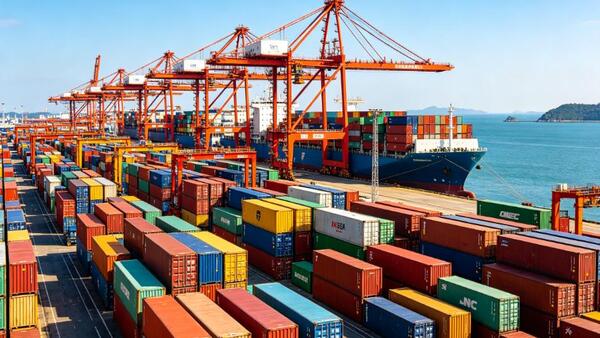
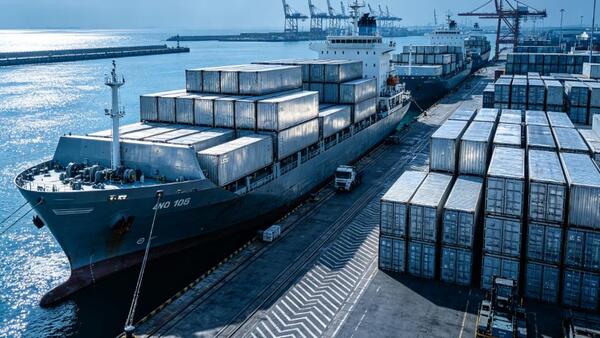
Managing seasonal equipment shortages for high value semiconductor container machinery shipping from taiwan to usa via fcl
Freight Area
5-Jun-2026
Taiwan to USA FCL shipping for high-value semiconductor container machinery faces notable seasonal equipment shortages that disrupt cross-border supply chain stability for global tech manufacturing clients. Semiconductor manufacturing machinery, including wafer processing tools, precision inspection devices, and automated assembly equipment, carries high asset value and requires rigorous transit conditions, making seasonal capacity volatility a key operational challenge for trans-Pacific freight forwarders.
What causes seasonal equipment shortages in Taiwan to USA FCL semiconductor machinery shipping?
Seasonal equipment shortages for Taiwan to USA FCL semiconductor machinery shipping arise from overlapping trans-Pacific demand surges, carrier capacity recalibrations, and constrained supplies of specialized high-tech cargo handling equipment. These interactive factors create periodic supply gaps that undermine the stability of precision tech cargo logistics flows.
How do carrier seasonal capacity adjustments affect equipment supply?
Trans-Pacific liner carriers regularly adjust eastbound capacity schedules to adapt to global consumer goods shipping cycles, creating seasonal fluctuations in container and handling equipment availability. According to UNCTAD 2024 Maritime Transport Review, overall trans-Pacific eastbound container capacity sees moderate contraction during the third quarter each year, as carriers reallocate partial vessel resources to accommodate peak holiday-season consumer commodity shipments on alternative trade lanes.
Unlike standard dry van containers for general cargo, semiconductor machinery transportation relies on customized FCL assets including vibration-dampened containers, humidity-controlled enclosed units, and structurally reinforced chassis. These specialized shipping assets are produced and deployed in limited quantities, with no cross-functional substitution value for conventional cargo transportation, which amplifies supply tightness during capacity adjustment windows.

How does industrial shipment concentration worsen seasonal shortages?
Cyclical order release patterns within Taiwan’s semiconductor manufacturing industry further strain seasonal FCL equipment supplies for US-bound shipments. Regional semiconductor manufacturers tend to arrange bulk export of production and testing machinery in the second and third quarters annually, supporting production upgrade and capacity expansion plans at US tech manufacturing hubs across California, Texas, and Arizona before year-end production cycles.
A common mistake is that many forwarders fail to anticipate the concentrated seasonal demand for specialized FCL equipment and rely on spot-market resource procurement. This passive operation mode often leads to insufficient equipment allocation, forced last-minute resource substitutions, and elevated risks of cargo handling errors during peak shipping periods.
Why do semiconductor machinery shipments require exclusive FCL equipment arrangements?
High-value semiconductor container machinery requires dedicated FCL equipment arrangements due to its delicate precision structure, sensitive electronic components, and strict anti-contamination and anti-vibration transit requirements. Such cargo cannot be co-loaded with other commodities, which necessitates exclusive container occupancy for every shipment.
What transit risks do precision semiconductor devices face?
Modern semiconductor manufacturing machinery integrates high-precision optical modules, microelectronic sensing units, and finely calibrated mechanical structures. These core components are susceptible to structural misalignment, parameter deviation, and functional impairment when exposed to excessive vibration, humidity fluctuation, dust contamination, or atmospheric pressure changes during ocean transit.
Uncontrolled transit conditions can result in equipment malfunction, costly component replacement, and delayed production deployment for US-based semiconductor fabs. Even minor transit anomalies may lead to lengthy recalibration work, creating measurable operational losses for downstream manufacturing enterprises.
What industry standards support dedicated FCL shipping requirements?
Forwarders should note that cross-border tech logistics and US industrial import norms set stringent transportation benchmarks for semiconductor production equipment. Per Freightos Baltic Index (FBX) 2025 trans-Pacific high-value cargo logistics analysis, a large proportion of US semiconductor manufacturing enterprises incorporate dedicated container shipping clauses into their global supply chain procurement specifications.
Consolidated LCL shipping fails to meet industry requirements due to frequent container opening for cross-cargo inspection, continuous vibration interference from mixed commodities, and multiple terminal handling procedures. Taiwan to USA FCL shipping delivers fully sealed, stable, and traceable transit environments that align with standardized high-tech cargo logistics protocols across the semiconductor industry.
How can forwarders mitigate seasonal FCL equipment shortages effectively?
Freight forwarders can implement targeted operational optimization and resource scheduling strategies to alleviate seasonal FCL equipment shortages for Taiwan to USA semiconductor machinery shipping, sustaining consistent cargo delivery efficiency across peak and off-peak seasons.
The recommended approach is to build long-term cooperative reservation frameworks with mainstream trans-Pacific carriers and professional container leasing enterprises in Taiwan, securing stable access to specialized FCL equipment for high-value cargo projects.
Adopt proactive quarterly capacity pre-booking: Forwarders can reserve vibration-dampened containers, reinforced chassis, and humidity-stabilized FCL units around 90 days ahead of projected peak shipping windows. Per Drewry 2025 trans-Pacific logistics industry reports, enterprises with fixed cyclic reservation agreements secure notably more specialized equipment resources than spot-market-dependent operators during seasonal shortage phases.
Implement staggered shipment scheduling planning: Collaborate closely with semiconductor manufacturing clients to disperse export schedules and reduce shipment concentration in high-demand Q2 and Q3 periods. Reasonable schedule dispersion eases seasonal equipment supply pressure for Taiwan to USA FCL shipping and lowers the probability of resource shortages.
Develop diversified multi-supplier resource reserves: Establish cooperative partnerships with multiple container leasing service providers at Kaohsiung Port and Taichung Port. Diversified supplier portfolios reduce risks of single-side resource suspension and strengthen operational resilience during seasonal capacity fluctuations.
Carry out standardized pre-shipment cargo optimization: Conduct professional cargo dimension assessment, external packaging reinforcement, and internal component fixation for semiconductor machinery before loading. Standardized cargo processing improves FCL space utilization and avoids temporary equipment adjustment demands that hinder shipment progress.

What risk control measures support stable seasonal FCL shipping operations?
Systematic risk control protocols help stabilize Taiwan to USA FCL shipping operations for high-value semiconductor machinery amid seasonal equipment shortages, reducing operational uncertainties and cargo quality risks throughout trans-Pacific transit.
Forwarders should note that seasonal equipment supply tension often drives rushed operational arrangements, which increase the likelihood of non-standard loading practices, inadequate cargo reinforcement, and incomplete document preparation. These operational loopholes may trigger cargo damage, port detention, and customs clearance delays for high-value semiconductor equipment shipments.
Execute rigorous pre-shipment equipment inspection: Arrange professional logistics technicians to inspect container sealing performance, vibration reduction functionality, and structural stability of reserved FCL equipment prior to loading. Screen out substandard units to ensure full compliance with precision machinery transportation specifications.
Optimize seasonal emergency scheduling mechanisms: Formulate alternative equipment allocation plans for tight supply scenarios. Negotiate cross-port temporary equipment transfer channels among major Taiwan shipping hubs to maintain continuous shipment execution during peak shortage periods.
Deploy real-time end-to-end cargo monitoring: Equip Taiwan to USA FCL shipments with intelligent tracking devices to record real-time temperature, vibration, and positional data during transit. Dynamic data monitoring enables timely operational adjustments and reduces cargo quality risks from variable maritime environmental conditions.
Standardize seasonal document review workflows: Sort, verify, and file customs declaration documents, cargo qualification certificates, and transportation manifests in advance. Standardized document management reduces clearance delay risks caused by seasonal port operation congestion and increased inspection volumes.
As global semiconductor industrial chain collaboration continues to expand, cross-border transportation demand for high-value production machinery maintains steady growth, bringing persistent seasonal equipment supply challenges to trans-Pacific high-tech logistics. By adopting proactive resource reservation mechanisms, flexible shipment scheduling strategies, and standardized risk management workflows, forwarders can effectively mitigate seasonal capacity constraints and deliver stable, secure, and cost-efficient Taiwan to USA FCL shipping solutions for premium semiconductor machinery cargo.

Last
Mitigating customs inspection delay risks for manufacturing materials arriving from China into Mexico through cross border points
China to Mexico Cross Border logistics for industrial manufacturing materials faces frequent operational disruptions caused by unp

Next
Managing blank sailing space disruptions for high volume industrial electronics moving along korea to europe through ocean freight
Korea to Europe Ocean Freight serves as a critical logistics channel for large-volume industrial electronics exports, with frequen