Vetting alternative transshipment port options to bypass direct port congestion bottlenecks across the india to usa trade lane
Freight Area
5-Jun-2026
The india to usa trade lane accommodates massive volumes of textile, manufactured goods and general containerized cargo, where mainstream direct port routes regularly suffer from seasonal terminal congestion and berthing occupancy pressure. Professional freight forwarders adopt rigorously vetted transshipment port alternatives to ease terminal bottlenecks, stabilize end-to-end transit schedules and sustain consistent shipment delivery performance for cross-border clients on this key trans-Pacific shipping corridor.
What triggers repeated congestion at mainstream Indian direct export gateways?
Persistent congestion on direct port routes of the India to USA trade lane originates from seasonal cargo concentration, terminal infrastructure constraints and periodic operational disruptions at major Indian container hubs. These multi-layered factors create recurring bottlenecks that weaken direct sailing stability throughout annual shipping cycles.
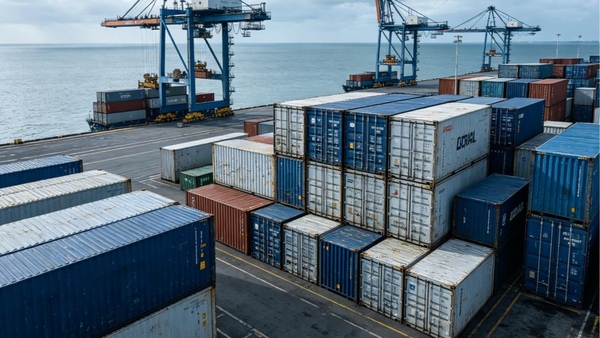
According to UNCTAD 2025 maritime logistics monitoring data, primary Indian export ports including Nhava Sheva and Mundra face extended vessel anchorage waiting time during peak shipping seasons. The average waiting window ranges from five to seven days, as intensive textile and manufacturing cargo inflows exceed daily terminal handling throughput and prolong container yard dwell duration.
A common mistake is that many forwarding agencies retain fixed direct-port routing strategies for the entire year without adjusting for seasonal terminal load fluctuations. Static routing arrangements increase business exposure to berth unavailability, terminal gate congestion and container stacking shortages during high-volume export months.
Infrastructure renovation projects further limit direct gateway operational efficiency. Large-scale rail corridor upgrading works near Nhava Sheva continue through mid-2026, slowing inland container transportation and reducing terminal container evacuation efficiency. Such long-term construction activities contribute to sustained congestion pressure on direct India-US outbound routes.

How do qualified transshipment hubs improve lane supply chain resilience?
Certified regional transshipment hubs strengthen operational stability on the India to USA trade lane by diverting excessive cargo volumes from overloaded direct terminals to underutilized medium-sized port facilities. This diversified routing mode optimizes overall lane capacity allocation and reduces reliance on congested primary gateways.
Forwarders should note that standardized transshipment routing effectively lowers vessel waiting risks and controls cargo dwell time compared to overcrowded direct port services. Reputable intermediate hubs deploy automated terminal handling systems and maintain stable weekly sailing frequencies, supporting predictable transit cycles for US-bound containerized cargo.
Per Drewry 2024–2025 trans-Pacific route performance reports, reasonable transshipment cargo diversion reduces seasonal shipment delay volatility by approximately 33% for India-origin US-bound freight. Regional hub terminals maintain steady operational throughput even during retail inventory restocking peaks that strain mainstream Indian direct ports.
What mainstream transshipment hubs suit India-US container cargo operations?
Multiple geographically advantageous transshipment hubs provide stable feeder and long-haul connectivity for the India to USA trade lane, with differentiated operational features matching various cargo categories and delivery timeline requirements. Forwarders conduct multi-dimensional evaluation to select suitable hubs for seasonal routing adjustment.
Vizhinjam International Seaport: This emerging deep-water transshipment hub in southern India launched formal commercial operations in early 2025, equipped with natural deep-draft conditions and automated container handling equipment. It alleviates congestion pressure on western Indian ports and offers flexible transshipment solutions for south Indian manufactured cargo destined for the United States.
Colombo Port Sri Lanka: This proximal regional hub maintains dense weekly feeder vessel connections with Chennai and Cochin ports. It delivers stable transshipment passage for south Indian textile and apparel cargo, with lower seasonal congestion fluctuation rates compared to large-scale Indian direct gateways, ensuring smooth linkage with trans-Pacific long-haul sailings.
Singapore Port: As a mature international transshipment node, this port provides extensive trans-Pacific sailing coverage and reliable schedule adherence for India-origin cargo. Standardized terminal operation protocols reduce connection delay probabilities, making it applicable for time-sensitive US retail inventory shipments across different seasons.
Port Klang Malaysia: This Southeast Asian hub offers cost-efficient transshipment alternatives with flexible feeder capacity reserves. It accommodates cargo volumes from western and southern Indian export bases, serving as a practical routing option for forwarders balancing operational cost and shipment stability during peak congestion periods.
What evaluation metrics support scientific transshipment port selection?
Data-driven indicator systems support reliable transshipment port vetting for the India to USA trade lane, covering congestion stability, connectivity performance and cargo adaptability. Standardized evaluation frameworks help forwarders avoid improper routing decisions and sustain consistent service quality.
Seasonal congestion fluctuation indicators: The recommended approach is to prioritize hub ports with mild seasonal throughput variation and stable vessel turnaround cycles. Analyzing monthly terminal occupancy and vessel waiting data helps screen hubs with steady operational efficiency during traditional export peak windows.
Multi-layer vessel connectivity frequency: Evaluate weekly feeder sailing volumes from Indian origin ports and matching long-haul trans-Pacific departure schedules. Continuous vessel arrangements narrow connection time gaps and prevent unnecessary cargo layover at intermediate terminals.
International cargo compliance capacity: Verify terminal proficiency in handling Indian textile and general manufactured cargo, as well as adherence to US customs pre-clearance and container inspection standards. Sound compliance capacity lowers documentation amendment and detention risks after transshipment procedures.
Comparative end-to-end transit duration: Calculate the overall transit time of transshipment routes and compare with conventional direct port routes. Qualified alternative hubs deliver competitive transit efficiency while reducing seasonal delay exposure for cross-border shipments.

What operational errors weaken transshipment congestion mitigation effects?
Improper transshipment routing and port selection practices may offset congestion mitigation advantages and trigger additional operational risks on the India to USA trade lane. Identifying common operational errors helps forwarders optimize routing schemes and stabilize cargo delivery performance.
Over-reliance on low-cost routing solutions: A common mistake is selecting transshipment hubs merely based on short-term freight and handling cost standards without analyzing seasonal congestion trends. Several cost-effective hubs face periodic capacity saturation, which may cause unplanned connection delays during industry peak seasons.
Neglecting cargo category adaptability: Forwarders should note that certain transshipment hubs focus on general container cargo handling while lacking systematic processing mechanisms for high-volume textile shipments. Mismatched hub selection increases cargo inspection risks and extends clearance processing time.
Omitting schedule alignment verification: Failing to cross-check feeder and long-haul sailing timetable matching degrees leads to prolonged cargo layover at intermediate ports. Misaligned vessel schedules extend overall transit cycles and reduce the effectiveness of congestion avoidance strategies.
How to deploy adaptive transshipment routing throughout the year?
Long-term congestion mitigation on the India to USA trade lane requires dynamic routing adjustment based on real-time and seasonal port performance data. Adaptive operational strategies assist forwarders in balancing shipment stability, cost control and timeline compliance under changing market conditions.
Forwarders should build a continuous port performance monitoring system covering major direct export gateways and alternative transshipment hubs. Tracking vessel waiting duration, terminal occupancy ratios and sailing schedule reliability supports timely routing switching before congestion conditions deteriorate.
Seasonal route segmentation serves as one of the commonly adopted approaches for steady operation. Teams can prioritize direct port services during low-congestion off-peak periods and switch to verified transshipment routes during textile and manufacturing export peaks. This segmented mode maintains uniform service standards across the whole year.
According to ITC Trade Map 2025 trans-Pacific lane performance statistics, forwarding enterprises adopting hybrid direct and transshipment routing modes record more stable on-time delivery ratios compared with teams using fixed single routing schemes.
With continuous updates in port infrastructure and seasonal cargo volume fluctuations, systematic transshipment port vetting and flexible routing adjustment remain critical methods to bypass terminal bottlenecks and enhance supply chain stability across the india to usa trade lane for global forwarding practitioners.

Last
Standardizing customs transit documentation rules to speed up cross border manufacturing cargo moves from vietnam using trucking
Cross Border Vietnam Trucking serves as a vital logistics channel for Vietnam’s manufacturing export sectors, supporting stable re

Next
Overcoming destination infrastructure challenges when managing bulk cargo china transit loops to africa using sea freight
China to Africa Sea Freight sustains large-scale bulk commodity circulation for cross-border industrial and infrastructure trade,