Managing multi supplier cargo consolidation networks through major interconnected ports inside the southeast asia regional hubs

Freight Area

1-Jun-2026

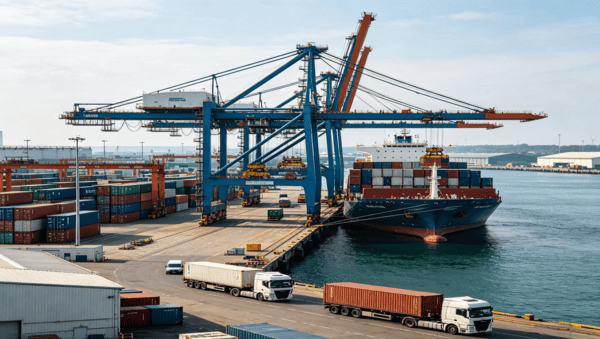
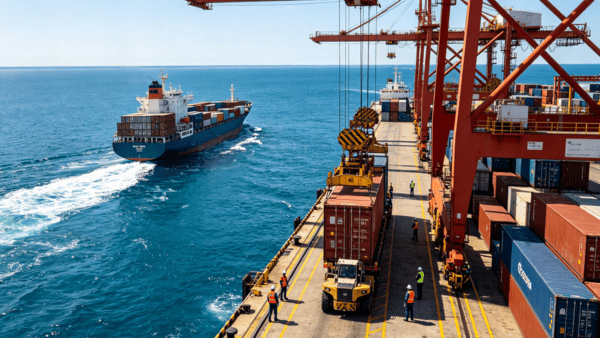
Southeast Asia Hubs serve as the core regional logistics pivot for cross-border cargo consolidation, connecting dispersed regional suppliers to global shipping lanes and standardizing multi-vendor freight aggregation services for international freight forwarders. These interconnected port ecosystems resolve common operational pain points including fragmented supplier shipments, inconsistent cargo scheduling, and inefficient transit workflows in ASEAN cross-border logistics.


What defines multi-supplier cargo consolidation within Southeast Asia Hubs?


Multi-supplier cargo consolidation is a systematic logistics operation that aggregates scattered small-batch shipments from multiple regional vendors into integrated container loads via interconnected port facilities in Southeast Asia Hubs. This operational model improves container space utilization, cuts redundant transit expenditures, and standardizes cargo handling procedures for cross-border logistics service providers.


This consolidation model differs from single-supplier direct shipping by relying on centralized port terminals to collect, sort, repackage, and dispatch mixed cargo batches. It is widely applicable for small and medium-sized manufacturers across ASEAN member states that generate low-volume, high-frequency shipments unsuitable for independent container bookings.


According to UNCTAD 2025 preliminary maritime statistics, Southeast Asian port terminals account for over 61% of total container throughput across Southeast and East Asian regional ports, making hub-based cargo consolidation a prevalent logistics solution for intra-ASEAN and trans-Pacific trade activities.


Why do global forwarders need structured consolidation networks in Southeast Asia?


Structured multi-supplier consolidation networks built on Southeast Asian port hubs strengthen supply chain stability and operational cost control for global freight forwarding enterprises. These networks effectively mitigate transit risks arising from geographically scattered suppliers and fluctuating international shipping market conditions.


Forwarders should note that unstructured multi-supplier shipment arrangements typically increase overall logistics expenditures by 14–19% due to underutilized container space and scattered booking fees, based on Freightos Baltic Index Q1 2025 regional freight rate analysis. Hub-centered consolidation optimizes container loading efficiency and stabilizes comprehensive shipping costs for batch cargo shipments.


The ongoing implementation of the RCEP trade agreement has driven steady growth in intra-ASEAN cargo throughput, further raising the demand for standardized hub-based consolidation systems among cross-border logistics practitioners.


A common mistake is prioritizing short-term shipment delivery speed over long-term operational standardization. This practice leads to inconsistent cargo documentation, prolonged customs clearance cycles, and elevated error rates in multi-vendor batch cargo processing. Many forwarders fail to fully leverage the interconnectivity of regional port resources, resulting in disjointed workflows across Southeast Asian trade routes.


How to optimize multi-supplier consolidation workflows via Southeast Asian interconnected ports?


Optimizing multi-supplier cargo consolidation operations requires standardized, process-driven adjustments that leverage the interconnectivity advantages of port resources within Southeast Asia Hubs. Systematic management helps forwarders unify supplier shipment supervision and standardized hub transit arrangements.


Classify supplier shipments by cargo attribute: Sort incoming goods from diverse vendors according to cargo weight, volume, commodity classification, and scheduled transit timelines. This classification mechanism supports precise container matching and reduces mixed-cargo conflicts that cause terminal operational delays. The recommended approach is to deploy unified cargo declaration templates for all cooperative suppliers to standardize pre-shipment data submission.


Select mature interconnected port nodes: Adopt core regional ports including Singapore Port, Port Klang, and Laem Chabang as primary consolidation nodes. These facilities feature complete terminal infrastructure, stable global route coverage, and digital clearance systems compliant with ASEAN customs regulations. Per UNCTAD 2025 maritime connectivity reports, these three hubs maintain high vessel connectivity indices across the Southeast Asian region, supporting reliable transshipment for consolidated cargo.


Deploy real-time hub inventory synchronization: Implement cloud-based logistics management systems to synchronize cargo arrival data, container availability status, and transshipment schedules across all partnered port terminals in Southeast Asia Hubs. Cross-platform data sharing bridges information gaps between suppliers, forwarders, and port operators, lowering risks of container idling and cargo detention.


Standardize customs clearance and inspection protocols: Formulate unified clearance procedures for multi-supplier consolidated cargo in line with updated ASEAN cross-border trade rules. Forwarders should note that inconsistent declaration documents submitted by different suppliers remain a key factor contributing to clearance delays at regional port hubs.


Develop flexible contingency transshipment strategies: Design alternative transit routes utilizing the dense interconnected port network of Southeast Asia Hubs. When facing extreme weather events, temporary port congestion, or shipping route adjustments, forwarders can switch consolidation and transshipment nodes flexibly to maintain shipment delivery stability.


What core challenges affect hub-based multi-supplier consolidation operations?


Multiple structural and operational constraints limit the operational efficiency of multi-supplier cargo consolidation within Southeast Asia Hubs, requiring targeted optimization for global forwarding teams. Most constraints originate from unbalanced regional port development and irregular supplier operational practices.


Unbalanced port infrastructure development


Core regional hubs feature automated sorting systems, large-scale warehousing facilities, and intelligent cargo scheduling platforms suitable for high-volume batch processing. By comparison, secondary and emerging regional ports lack comprehensive automated equipment and standardized warehousing resources, creating inconsistent consolidation capacity across the regional port network.


Diversified regional regulatory standards


ASEAN member states maintain distinct local logistics supervision rules, customs declaration requirements, and cargo inspection standards. These diversified regulatory frameworks increase the operational complexity of cross-border consolidated cargo and raise the risk of procedural errors during port transshipment.


A common mistake is applying unified operational strategies to all regional port nodes without considering differentiated functional positioning and capacity gaps. This rigid operational method may trigger resource waste and operational bottlenecks during peak shipping seasons.


What long-term strategies sustain stable consolidation network operation?


Maintaining stable and efficient multi-supplier consolidation networks requires long-term strategic planning adapted to the evolving development of Southeast Asia Hubs and global cross-border trade trends. Forwarders need to balance cost control, service stability, and network scalability in daily operations.


Establish stable port cooperation mechanisms: Sign long-term framework cooperation agreements with core regional port terminals to secure steady container resources and favorable transshipment pricing terms. The recommended approach is to maintain partnerships with 3 to 5 core hub ports to build a flexible and resilient regional logistics network.


Promote full-process digital transformation: Integrate intelligent cargo tracking, automated container allocation, and electronic customs declaration systems into daily consolidation workflows. Per UNCTAD 2025 digital logistics research, regional ports with complete digital upgrades record around 27% higher transshipment efficiency than terminals relying on traditional manual operations.


Optimize supplier batch delivery scheduling: Guide dispersed regional suppliers to adjust cargo delivery timetables to match fixed consolidation cycles of core port hubs. Centralizing cargo arrival timeframes effectively reduces terminal waiting duration and improves overall batch consolidation efficiency.


Iterate operational rules dynamically: Continuously monitor updates to ASEAN trade policies, international shipping route adjustments, and regional port capacity changes. Forwarders can optimize consolidation workflows regularly to adapt to the evolving Southeast Asian logistics market environment.


With deepening regional economic integration and expanding cross-border trade volume, Southeast Asia Hubs will remain a critical foundational platform for multi-supplier cargo consolidation services for global forwarding businesses. Refined management of interconnected regional port networks helps forwarders mitigate operational risks, improve comprehensive service capabilities, and capture sustainable development opportunities in the Southeast Asian cross-border logistics market.

Last

Legal liabilities and transport insurance clauses governing dangerous cargo on the china border crossing to europe rail network

China to Europe Railaccommodates growing volumes of hazardous material shipments for cross-border intercontinental transport, requ

Next

How shifting bunker adjustment factors impact net profitability margins on major middle east commercial trade lanes

Middle East Trade Lanes feature distinctive geopolitical and maritime operational environments that drive regular fluctuations in